
Last updated October 15, 2026
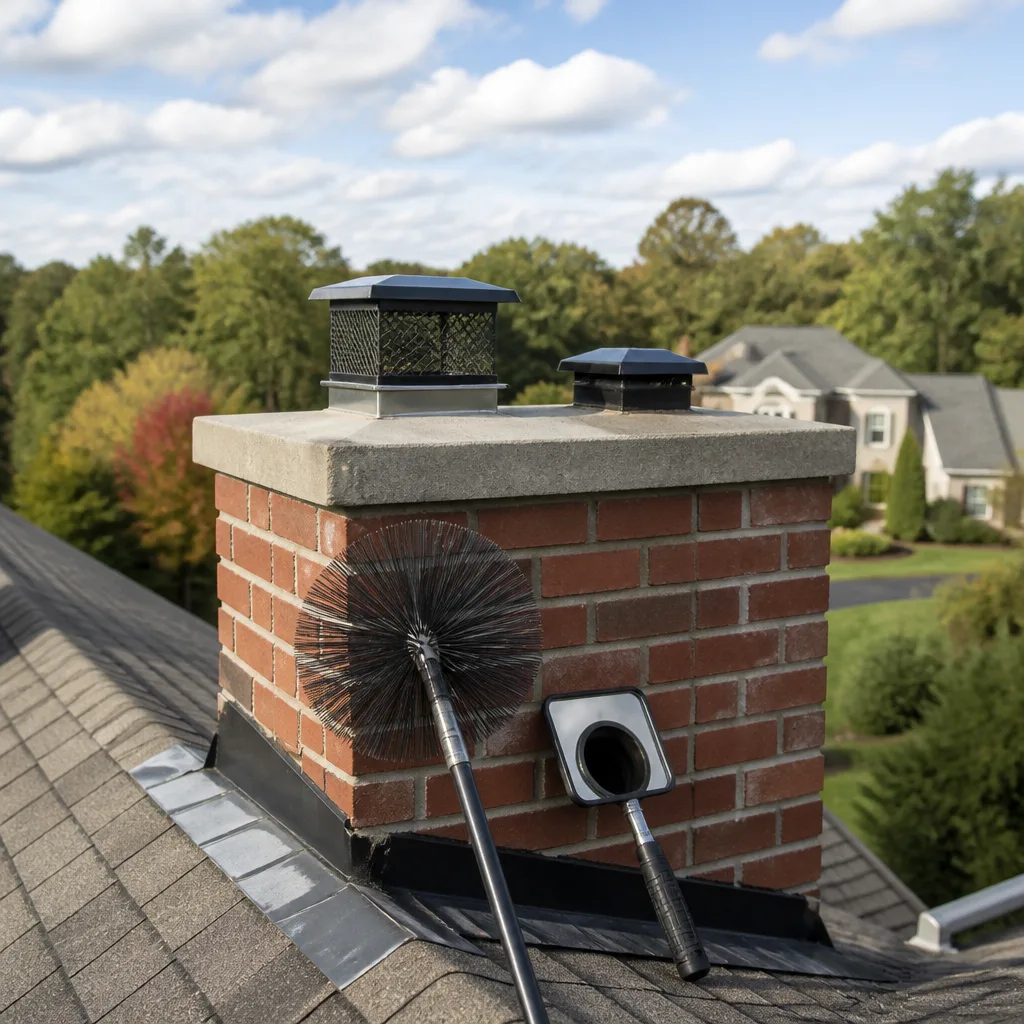 Sweep & inspection
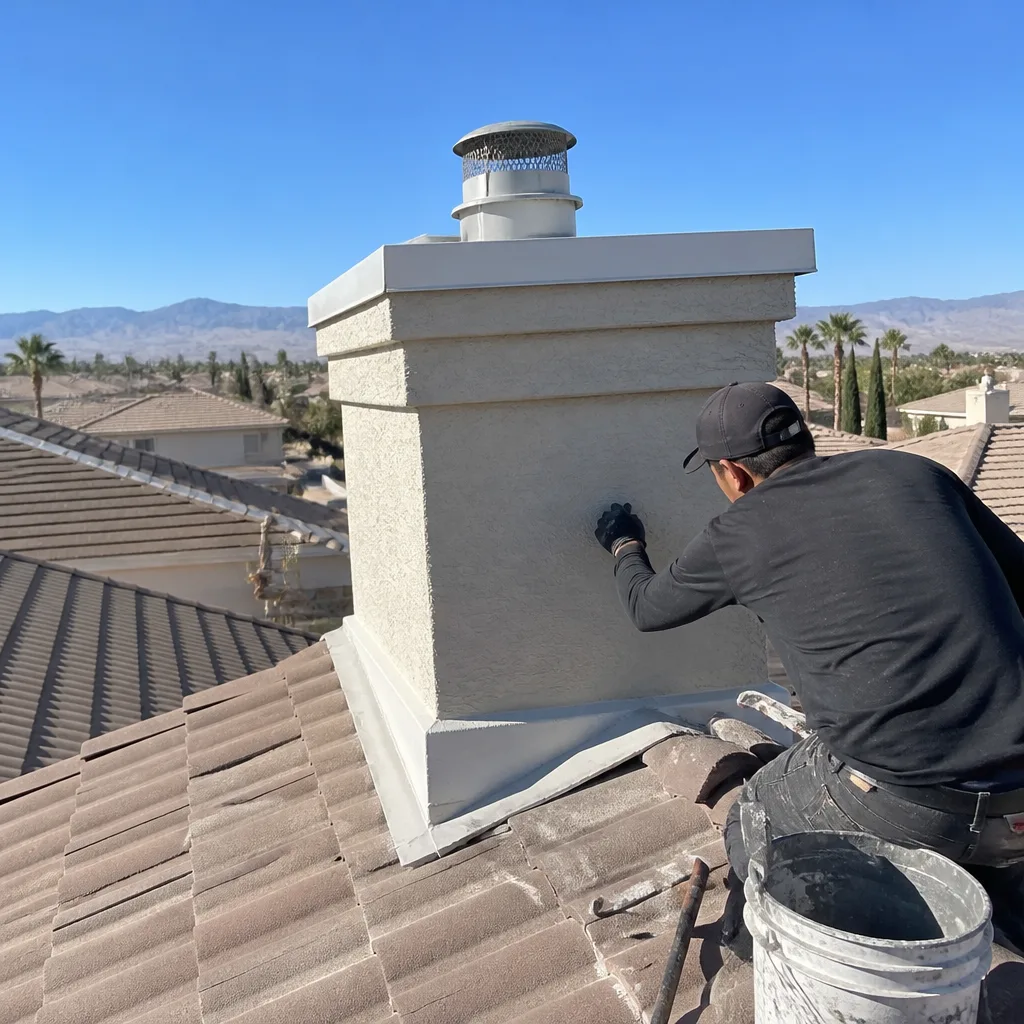
 Caps & crowns
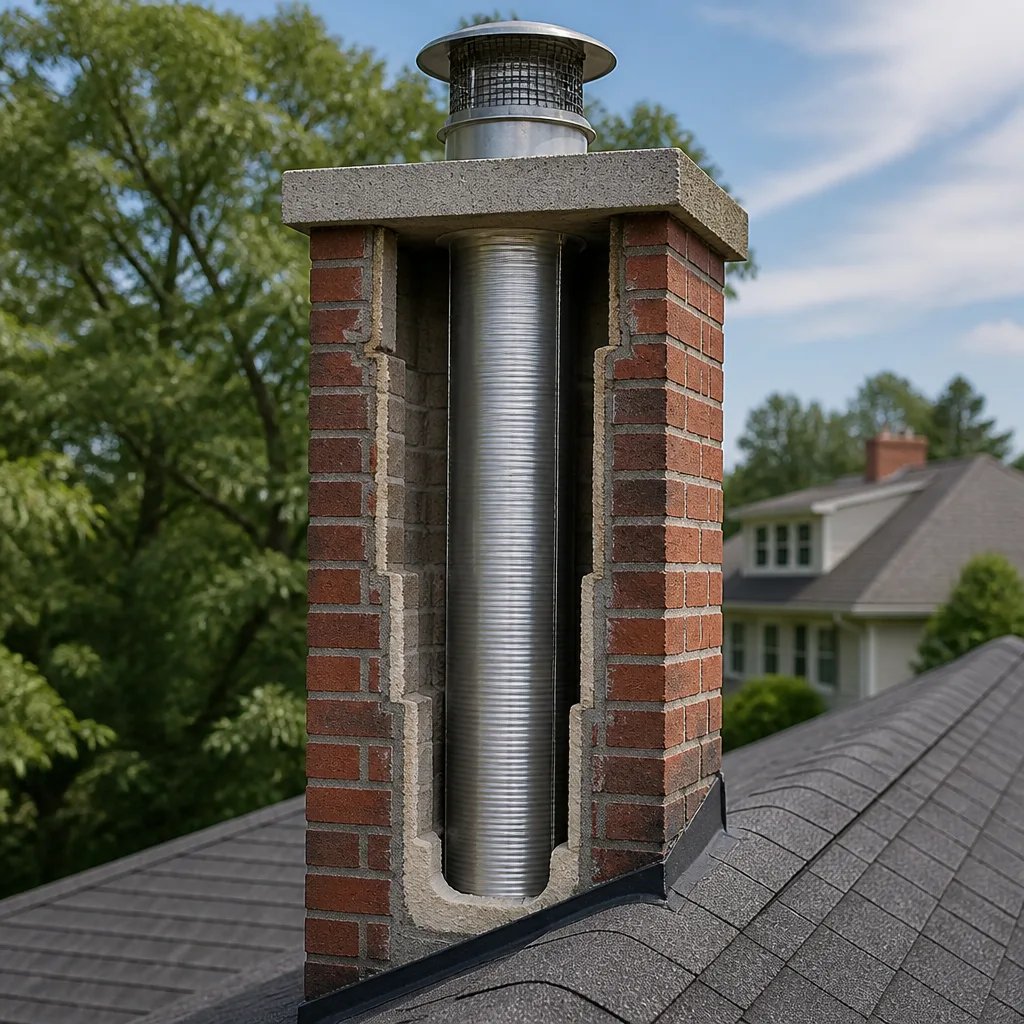 Flue relining
 Masonry repair
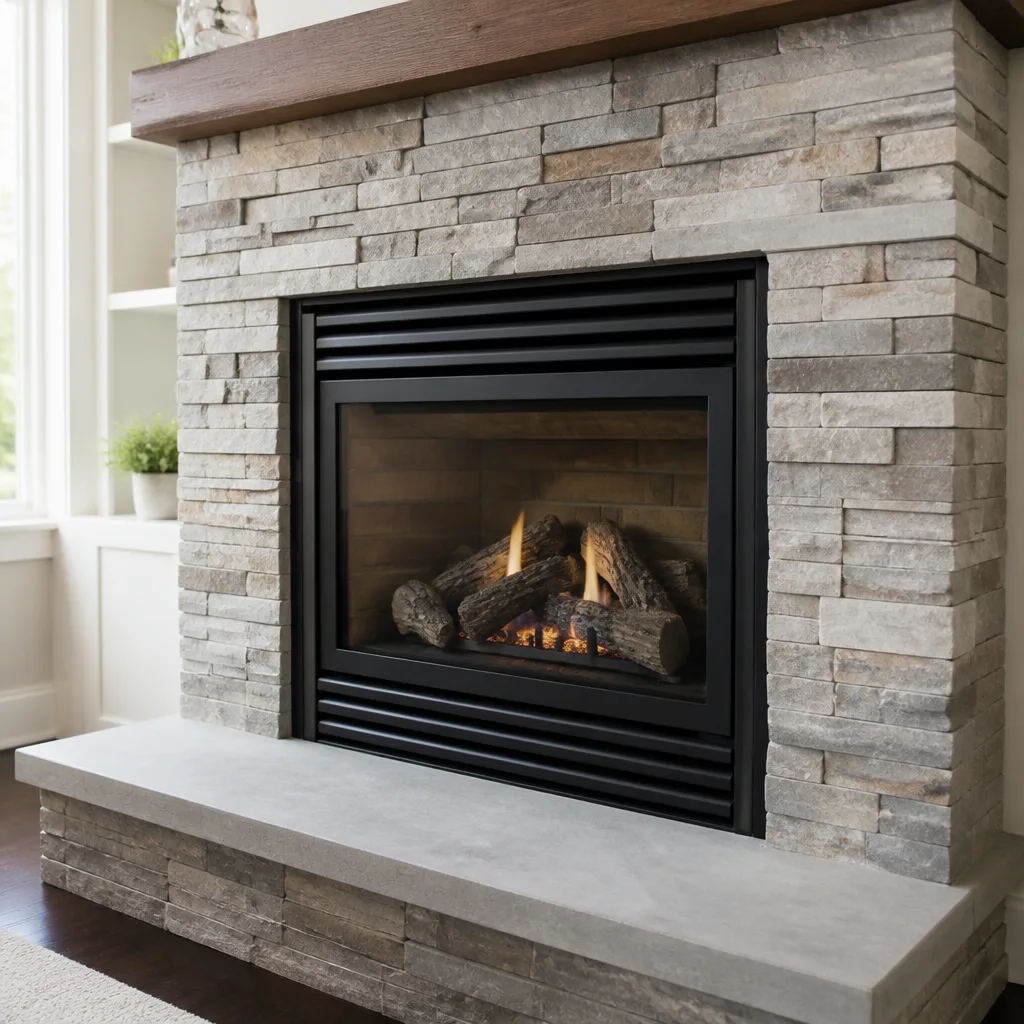 Gas fireplace service
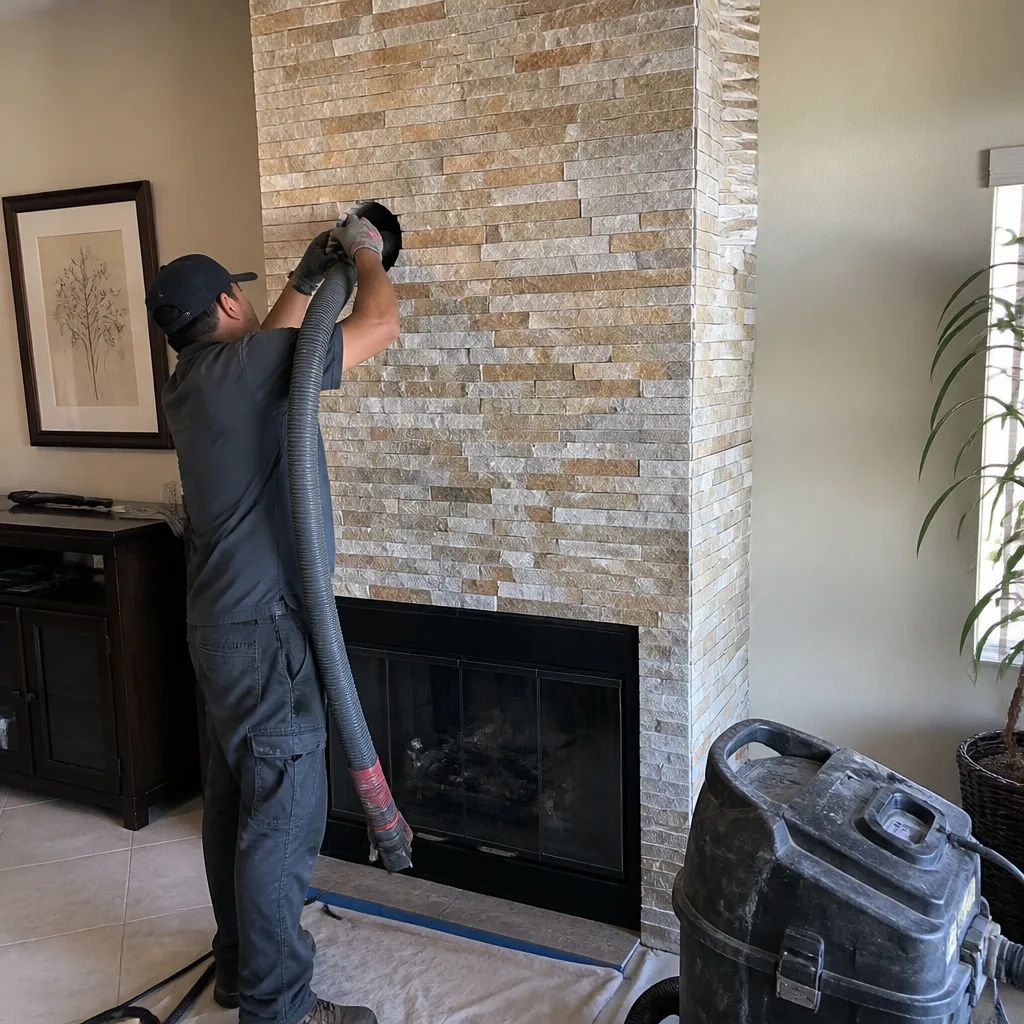
Level 1 sweep and inspection to the NFPA 211 annual standard - flue, crown, cap, and flashing checked and photographed
Chimney sweep logs do not sweep chimneys. They loosen some creosote - which then falls where a brush and vacuum still have to collect it.
Chimney Cleaning Warning Signs: A Las Vegas Homeowner’s Reference Guide
Roughly 40% of Las Vegas homeowners who call us about a chimney smell have already lived with it for an entire summer, convinced it’s just the desert heat baking the attic or the HVAC pulling in warm air from outside. It isn’t always. That sour, campfire-gone-stale odor drifting from the fireplace in July is often the single clearest early warning that a chimney cleaning is overdue, and by the time the first cold snap arrives, the creosote behind it has had months to harden into a glaze that costs more to remove. This guide walks you through every warning sign that matters in Las Vegas, which ones mean schedule soon, which ones mean stop using the fireplace tonight, and how to describe what you’re seeing when you call a sweep.
Styles & brands we work with
Quick Answer
Chimney cleaning warning signs fall into three categories: what you smell (sour, smoky, or damp odors from the firebox even when no fire has burned for months), what you see (black flaky buildup, white mineral staining, crumbling mortar, or animal activity), and what happens when you light a fire (smoke rolling back into the room, weak draft, or flames that burn lazy and yellow). In Las Vegas, the most commonly missed signs are the white mineral streaks on brick from monsoon-season water intrusion and the faint smell of old smoke during summer heat. If you notice any of these, stop using the fireplace and schedule a chimney inspection in Las Vegas before the next fire.
Table of Contents
- The Sensory Checklist: Smells, Sounds, and Visual Cues That Predict Trouble
- Las Vegas-Specific Warning Signs Most Guides Miss Entirely
- Schedule Soon vs. Stop Now: How to Tell the Difference
- What Smoke Behavior in the Firebox Actually Tells You
- How to Photograph and Describe a Warning Sign Like a Pro
- The Las Vegas Seasonal Pattern: When Each Warning Sign Tends to Appear
- The Real Cost of Ignoring a Warning Sign in Las Vegas
- Common Mistakes to Avoid
- When to Call a Professional
- Frequently Asked Questions
- The Bottom Line
The Sensory Checklist: Smells, Sounds, and Visual Cues That Predict Trouble
Most chimney warning sign guides start and end with what you can see. But in Las Vegas, where fireplaces sit idle for six to eight months a year, the signs that give you the earliest warning are the ones that arrive through your nose and ears, long before anything looks wrong. Here’s the full checklist we run through with homeowners on the phone at Ashby Chimney Las Vegas.
Smells That Mean Something
A fireplace should smell like nothing when it isn’t burning. Here’s what different odors tell you:
- Campfire smell in summer: Creosote inside the flue warms with the outside temperature and releases odor back into the house, especially in Las Vegas where summer heat hits the chimney chase hard. This is the most common early sign of creosote buildup.
- Sour or acidic smell after rain: Water is getting into the flue and mixing with creosote or old ash. In Las Vegas, this almost always traces to a failed chimney cap, cracked crown, or flashing that separated during a monsoon storm.
- Animal smell, like urine or something dead: Something nested in the flue during the off-season and likely died or is still living there. Birds, pack rats, and squirrels all find their way into uncapped or poorly capped chimneys in Clark County.
- Damp, musty basement smell near the fireplace: Efflorescence and mineral deposits inside the flue are holding moisture. This smell usually means the interior of the chimney is staying wet between rains, which accelerates liner deterioration.
Sounds That Mean Something
- Scratching or fluttering inside the chimney: A live animal is in the flue. Do not light a fire. The animal may be able to exit on its own if the damper stays open, but most will not, and you’ll need a sweep to remove the nest and install proper prevention.
- A hollow, echoey thump when you tap the fireplace surround: Mortar joints behind the face brick have failed and left voids. This is a structural warning sign, not a cleaning issue, but a sweep will spot it during a standard visit.
- Whistling or howling during wind: The chimney cap is damaged, missing, or improperly sized, and wind is creating a pressure differential that will pull smoke back into the room when you light a fire.
Visual Cues That Mean Something
- Black, flaky buildup on the damper or visible firebox walls: This is creosote, the natural byproduct of burning wood. Stage one creosote brushes off easily. Stage three creosote is a hard, glossy glaze that requires professional removal and poses a legitimate fire risk.
- White, chalky residue on exterior brick: This is efflorescence, mineral deposits left behind when water evaporates from masonry. In Las Vegas, hard water from municipal supply lines and monsoon rain both trigger it, and it tells you water is penetrating the chimney somewhere.
- Rust on the damper or firebox hardware: Water intrusion over time. The damper is the first thing to rust when a cap fails, because it sits directly under the flue opening.
- Shiny, tar-like substance running down the flue walls: This is liquid creosote, the most dangerous form. It burns at a much higher temperature than wood or paper and is a primary cause of chimney fires.
Las Vegas-Specific Warning Signs Most Guides Miss Entirely
Generic chimney guides are written for places where it rains regularly, where chimneys run all winter, and where the ground frosts. Las Vegas is none of those things, and the warning signs unique to this climate are the ones our technicians see most often on first visits. Here’s what we look for that you won’t find in any national guidebook.
White Mineral Staining from Hard Water and Monsoon Intrusion
Las Vegas has some of the hardest municipal water in the country, and when that water gets into your chimney, it leaves behind a signature: white or off-white mineral staining, often streaking down from the crown or showing as a horizontal band across exterior brick. This is not the same as the white powdery efflorescence you’d see on a foundation wall. Chimney mineral staining from hard water tends to be streakier, denser, and harder to remove, because the calcium and magnesium in Southern Nevada water crystallize into a crust. What it tells you: water has been entering the chimney during monsoons or from sprinkler overspray, and the minerals left behind are gradually degrading the mortar and brick. If you see white staining on your chimney in neighborhoods like Summerlin, Henderson, or Centennial Hills, where sprinkler systems often reach the chimney chase, get it evaluated before the next monsoon season. The fix is usually straightforward: repair the crown, replace the cap, or redirect sprinklers, then clean the mineral deposits so they stop holding moisture against the masonry.
Spalling Mortar and Brick from UV and Heat Cycling
Las Vegas gets more than 300 days of sunshine a year and summer surface temperatures on a south-facing chimney can exceed 160 degrees. That heat, followed by the relatively cool desert nights, creates constant expansion and contraction in the masonry. Over a decade or two, that cycling breaks down the mortar joints first, then the brick faces themselves. The warning sign is called spalling: brick faces flaking off, mortar turning to sand in the joints, or small piles of gritty debris at the base of the chimney. This is a Las Vegas-specific wear pattern. A chimney in Seattle or Minneapolis doesn’t see the same thermal extremes. Spalling means the chimney structure is weakening and water will enter through the damaged masonry, accelerating the damage every year it goes unaddressed. If you can rub your finger across a mortar joint and sand comes away, that joint has already failed.
Bird and Rodent Evidence That Indicates Cap Failure
Las Vegas sits on a major migratory path for birds, and the chimney swift population and pigeons in older Las Vegas neighborhoods are relentless about finding open flues. If you notice bird droppings on the hearth, feathers in the firebox, or hear chirping from inside the wall, the chimney cap is either missing or damaged. The same goes for the smaller rodents that thrive in Southern Nevada: pack rats and roof rats in particular. A cap that has failed is not just a nuisance issue; it means the flue is fully open to the elements, and if an animal nested, the flue now contains flammable nesting material directly in the path of your next fire. In older Las Vegas neighborhoods like Paradise and Winchester, where housing stock dates to the 1960s and 1970s, we regularly find chimneys that never had a proper cap installed in the first place.
Schedule Soon vs. Stop Now: How to Tell the Difference
Not every warning sign means you’re in immediate danger. Some mean add it to the list and call when you’ve got a free week. Others mean do not strike a match until a professional has looked down that flue. Here’s how we sort them.
Signs That Mean Schedule Soon
- A faint campfire smell in summer, before the burning season starts
- Light, flaky creosote visible on the damper or first few feet of flue
- Small amounts of efflorescence or white staining, especially if it’s been there a while and isn’t growing
- A damper that’s stiff but still opens and closes with effort
- Minor cap damage visible from the ground, like a bent rain hood or loose screen
These signs indicate wear and buildup that will get worse over time but do not present an immediate hazard. Schedule a professional chimney sweep in Las Vegas at your earliest convenience, ideally before the first fire of the season. You have time to get it done right, and the cleaning itself will likely resolve several of them.
Signs That Mean Stop Using the Fireplace Now
- The campfire smell is strong enough to notice from across the room, even in winter when the chimney gets regular use
- Glossy, tar-like creosote is visible inside the flue or on the damper
- Smoke rolls back into the room when you light a fire, even after the flue has been open for several minutes
- You hear or see live animals in the chimney
- Pieces of brick or mortar have fallen into the firebox
- Water is actively dripping or running down the inside of the flue during rain
- You see cracks wider than a pencil line running vertically up the exterior chimney
Any of these means there is a real risk of chimney fire, carbon monoxide exposure, or structural failure. The National Fire Protection Association and the Chimney Safety Institute of America both recommend that any chimney showing signs of creosote accumulation or obstruction be inspected and cleaned before use, and the signs above fall squarely into that category. Call a sweep before you light anything else. In Las Vegas, where the burning season is short and compressed into a few cold months, a chimney that sits unusable for two weeks waiting on a cleaning is far better than a chimney fire in mid-December.
What Smoke Behavior in the Firebox Actually Tells You
Most homeowners judge a fire by how it looks: pretty flames, good heat. But an experienced sweep watches what the smoke does, because smoke behavior is a diagnostic tool. Here’s what to watch for and what each observation usually means in a Las Vegas home.
Smoke Rolling Back Into the Room
If smoke enters the room when you light a fire, the immediate cause is usually one of three things: a cold flue that hasn’t established a draft yet, a blockage somewhere in the flue, or a pressure problem in the house itself. In Las Vegas, the cold flue issue is less common than in colder climates, because even winter nights here rarely drop hard enough to fully cool a flue. What we see more often is the pressure problem: modern Las Vegas homes are tightly sealed for air conditioning efficiency, and when the AC has been running, the house can develop negative pressure that fights the chimney’s natural draft. If you’ve got a bathroom vent fan running, a kitchen hood exhausting, or a newer home with tight windows and doors, those all compete with the fireplace for air. A smoke roll-in that happens even with the damper fully open and no exhaust fans running usually points to a flue obstruction: creosote buildup, an animal nest, or a fallen piece of masonry.
What Smoke Color Tells You
- White or light gray smoke at startup: Normal. Water vapor and the first combustion gases escaping as the fire gets going. It should clear within a few minutes.
- Thick, white smoke that continues for a long time: The wood is too wet, or the fire isn’t getting enough air. In Las Vegas, where wood often sits in garages or sheds for years between uses, we see a lot of this. Wet wood also produces creosote at a much higher rate than seasoned wood.
- Yellow or brown-ish smoke: Chemical compounds in treated lumber, painted wood, or trash being burned. We see a surprising amount of this in Las Vegas, where homeowners sometimes burn construction scraps from home projects. Treated lumber releases toxic compounds when burned and leaves a residue in your flue that is genuinely difficult to remove.
- Black or dark gray smoke: Incomplete combustion from a fire that’s starving for oxygen, or the smoke has reached a temperature where creosote itself is beginning to ignite. Black smoke coming from a wood fire is a serious warning sign.
Draft Problems vs. Blockage Problems
A weak draft feels like the fire just won’t take off: flames burn low and lazy, smoke hangs in the firebox instead of being pulled up the flue, and the room fills with a thin haze even when the damper is open. A weak draft can be caused by a flue that’s too cold, a house that’s too tight, or a chimney that’s too short for the roofline. But it can also be caused by a partial blockage: a flue that’s narrowed by creosote buildup moves less air, and the draft weakens accordingly. The distinction matters, because fixing a draft problem might mean adding a chimney cap or adjusting the damper, while fixing a blockage means a full sweep. A professional chimney inspection in Las Vegas will distinguish between the two, often with a camera inspection that shows you exactly what’s inside the flue.
How to Photograph and Describe a Warning Sign Like a Pro
When you call a chimney company, the technician who arrives will usually be prepared for a standard sweep and inspection. But if you can describe the warning sign accurately over the phone, and back it up with a few well-aimed photos, the tech can arrive with the right equipment the first time. Here’s exactly what to do, developed from the calls we take every week at Ashby Chimney Las Vegas.
Step 1: Photograph From the Right Angle
- For anything inside the firebox: open the damper as far as it will go, turn on your phone’s flashlight, and photograph straight up into the flue from inside the firebox. Hold the phone steady against the back wall of the firebox for the cleanest shot.
- For exterior brick or mortar: photograph from directly in front of the damaged area, not at an angle. Include a reference point in the frame, like the edge of the fireplace opening or a downspout, so the tech knows exactly where to look.
- For the chimney crown or cap: photograph from the ground if possible, using your phone’s zoom. If you can’t see the crown from the ground, take a photo of the roofline from the street or the backyard that shows where the chimney exits the roof. The tech will use that to plan access.
- For a smell: photograph the firebox, the damper, and the first visible foot of flue. A photo won’t capture the smell, but it will show the buildup that usually accompanies it.
Step 2: Describe the Sign Using the Right Words
Use the terms from this guide when you describe what you’re seeing. Say “flaky black creosote on the damper” or “white mineral streaking on the exterior brick” or “smoke rolling back into the room on startup.” The more precise you are, the more likely the technician arrives with the right plan. If you’re not sure which term applies, describe what you see in plain language and let the tech translate. The key is a specific description, not a vague one. “The fireplace smells bad sometimes” is not useful. “There’s a strong campfire smell from the fireplace, even though we haven’t burned anything since February, and it’s stronger when the air conditioner runs” is useful.
Step 3: Answer the Four Questions Every Sweep Will Ask
- How long since the last professional sweep or inspection?
- How often do you use the fireplace, and what kind of wood do you burn?
- When did you first notice the sign, and has it gotten worse?
- Has anyone else looked at the chimney or done any fireplace or roof work recently?
Have those answers ready before you call. It saves a conversation’s worth of time and helps the technician understand what they’re walking into. And if you’re worried about being talked into a bigger job than you need, remember this: at Ashby Chimney Las Vegas, every job gets a written price before any work starts, and the number on the invoice matches the number quoted at the door. You’ll know what you’re paying for and why before anything gets done.
The Las Vegas Seasonal Pattern: When Each Warning Sign Tends to Appear
Las Vegas has a fireplace season, but the warning signs don’t follow the same calendar as the fires themselves. Here’s when each category of sign tends to appear in Southern Nevada, based on two decades of service calls across the Las Vegas Valley.
Late Spring to Early Summer: The Smell Season
This is when creosote odor makes itself known. The outside temperature climbs, the chimney chase absorbs heat, and the creosote inside releases volatile compounds that drift back into the house. Homeowners in North Las Vegas, Henderson, and Summerlin all call with the same core complaint: “I smell smoke but we haven’t burned anything in months.” This is the earliest warning sign of all, and it often appears in May or June, months before the fireplace gets used again. A sweep scheduled in the spring is cheaper and easier than one scheduled in December, when every chimney company in Clark County is booked solid.
Monsoon Season (July – September): The Water Intrusion Season
This is when the white mineral staining, damp smells, and water damage appear. Monsoon rain hits hard and fast, and a chimney with a cracked crown, separated flashing, or missing cap will show it within hours. After the first or second monsoon storm of the year, we see an uptick in calls about water in the firebox, musty smells, and exterior staining. If you notice water entering your chimney during monsoon season, do not wait. Water is the single biggest structural threat to a masonry chimney, and every storm that passes through an open cap or cracked crown causes more damage. The fix in early September costs less than the fix in January, and the chimney will be ready for burning season either way.
Late Fall to Early Winter: The Creosote and Blockage Season
This is when animal nests and creosote buildup meet their first fire of the season. Las Vegas residents light their first fire in November or December, and the sudden heat against an unseen nest or a season’s worth of creosote is when chimney fires and smoke roll-ins happen. It’s also the season when every chimney sweep in the valley is booked out, which is why we recommend scheduling your cleaning in October if you can, before the rush. The homeowners who schedule early get same-week availability. The ones who wait until a cold front hits are usually looking at a one to two week wait, and that’s true across every reputable sweep in Las Vegas.
The Real Cost of Ignoring a Warning Sign in Las Vegas
Warning signs are cheap to address when they first appear, and the costs climb fast the longer they’re ignored. Here’s what the progression typically looks like in Las Vegas dollars.
| Warning Sign | Cost If Addressed Early | Cost If Ignored |
|---|---|---|
| Light creosote buildup, stage one | $150 – $250 for a standard sweep | $500+ for glaze removal if it hardens to stage three over a second burning season |
| Cracked or missing chimney cap | $150 – $350 for a replacement cap | $1,500 – $4,000 for liner repair or replacement after water and animal intrusion |
| Cracked crown | $400 – $900 for crown repair | $2,000 – $6,000 for masonry reconstruction if water saturates the chimney structure |
| Spalling mortar joints | $50 – $150 per joint for repointing | $3,000+ for full rebuild if the chimney loses structural integrity |
| Animal nest in the flue | $200 – $400 for nest removal and cap installation | $1,000+ in smoke damage, plus the chimney fire risk if a nest ignites |
| Damaged flue liner | $800 – $2,500 for targeted repair | $4,000 – $8,000 for full liner replacement, plus the risk of carbon monoxide exposure in the meantime |
These are the price ranges we quote for work in Las Vegas, and they’re consistent with what other reputable sweeps in the valley charge. The pattern is obvious: addressing a sign early costs a fraction of what it costs to fix the damage that follows. And a note on those numbers, because it matters: every job at Ashby Chimney Las Vegas gets a written price before any work begins. You’ll see the total, know what’s included, and understand why each part of the job costs what it does before we touch a single brick. If a repair is covered by our written guarantee and fails inside the guarantee period, we return and correct it at no charge. That’s the 365-Day Done Right Promise, and it’s not an add-on; it’s included with every job.
Common Mistakes to Avoid
- Lighting a fire to “burn off” the smell. The smell is creosote, and burning a fire won’t remove it; it will bake it into a harder, glazier substance that costs more to remove. In the worst case, it ignites, and you’ve got a chimney fire in a house that didn’t have to burn.
- Assuming a gas fireplace doesn’t need a chimney sweep. Gas fireplaces produce less creosote than wood, but they still produce combustion byproducts, and their flues still collect debris and obstructions. Any appliance that vents through a chimney requires periodic cleaning and inspection.
- Trying to clean a creosote-glazed flue with chemical logs. Chemical creosote removers work on light, flaky stage-one creosote. They do not remove the hard, glossy glaze that forms after repeated burning in a Las Vegas climate, and using them to postpone a real sweep gives the buildup more time to harden.
- Ignoring white staining because it’s “just cosmetic.” In Las Vegas, white staining usually means water intrusion, and water intrusion usually means structural damage. What looks like a cosmetic issue is often the first visible sign of a crack in the crown or cap.
- Covering the chimney opening with a screen or board instead of a proper cap. These DIY fixes often trap more heat and moisture than they block, and they create the very blockage they were meant to prevent. A proper chimney cap costs less than a service call.
- Waiting until December to schedule a sweep. Every chimney sweep in Las Vegas is booked solid from Thanksgiving through February. The homeowners who call in October get same-week appointments and better prices. The ones who call in December wait, and some of them light a fire anyway, which defeats the purpose of waiting.
- Burning the scrap pile. Treated lumber, painted wood, and construction scraps release chemicals that corrode your flue liner and leave a residue that’s genuinely hard to remove. In Las Vegas, where many homes have been through renovations, we see the residue of burned construction waste regularly. It shortens the life of the flue liner and can void the manufacturer’s warranty on some liner materials.
When to Call a Professional
Call a chimney professional if you notice any of the warning signs in this guide, especially if you’ve seen smoke rolling back into the room, smelled something dead or burning when no fire is lit, or spotted water inside the firebox after rain. Call immediately if you suspect a live animal in the chimney or if you see thick black smoke coming from a wood fire. And call before burning season starts if you haven’t had a sweep in the last year. Ashby Chimney Las Vegas offers free estimates in Las Vegas, so the phone call costs nothing and the estimate comes in writing before any work begins. Call (725) 220-6109 and a live person will answer, any hour of any day. The Ashby Chimney Las Vegas home page has more on our full range of services.
Frequently Asked Questions
A standard chimney sweep in Las Vegas typically runs between $150 and $300, depending on the height of the chimney, the amount of creosote buildup, and whether the fireplace has been used heavily. Glaze removal for stage three creosote runs higher, usually $500 to $800, because it requires specialized equipment and more time. Every Ashby Chimney Las Vegas job includes a written price before any work starts, so you’ll know the exact number before a brush touches your flue. Call (725) 220-6109 for a free estimate.
The warning signs that a chimney fire is happening include a loud rumbling or roaring sound that sounds like a train or a jet engine, thick black smoke billowing from the chimney, and visible flames shooting out of the chimney top. If you suspect a chimney fire, evacuate the house and call 911 from outside. After the fire is out, a professional chimney inspection in Las Vegas will determine whether the flue liner survived or needs repair. A chimney fire can happen without these dramatic signs too; smaller fires sometimes burn quietly inside the flue and go unnoticed until an inspection reveals the damage.
The Chimney Safety Institute of America recommends a sweep and inspection at least once a year, regardless of how often you use the fireplace. In Las Vegas, where the burning season is short but intense, most homeowners can get by with an annual sweep timed for the fall, before the first fire of the season. If you burn more than a cord of wood a winter, burn unseasoned wood, or notice any of the warning signs in this guide, you may need a mid-season sweep as well.
Creosote smells like a strong, stale campfire or a smoky, tar-like odor that hangs in the air. It gets stronger when the weather warms up, because heat causes the creosote inside the flue to release volatile compounds. In Las Vegas, homeowners often first notice the smell during the summer months, when the fireplace hasn’t been used in months, and mistake it for the desert heat or a dirty HVAC filter. If the smell is coming from the fireplace, it’s almost certainly creosote, and it means a cleaning is overdue.
You can buy a chimney brush at a hardware store, but the reason professional sweeps exist is that chimney cleaning requires a level of access, equipment, and safety knowledge that most homeowners don’t have. Cleaning a chimney from the ground with a wire brush doesn’t remove creosote from the upper flue, and climbing onto a Las Vegas roof to access the chimney top carries real risk of injury. A professional sweep does a better job and does it safely, and the cost is less than most homeowners expect. At Ashby Chimney Las Vegas, the written price you’re quoted is the price you pay, and the sweep includes a full visual inspection of the firebox, damper, flue, and cap.
If you hear scratching, fluttering, or animal sounds in your chimney, do not light a fire. Keep the damper closed, and call a chimney professional. The animal may leave on its own if given time, but most will not, and the nest it leaves behind is a fire hazard and an obstruction in your flue. A sweep will remove the animal and the nest, clean the flue, and install a proper chimney cap to prevent it from happening again. This is a common problem in Las Vegas neighborhoods where older chimneys were built without caps, or where caps have rusted through after years of desert sun.
The Bottom Line
Chimney warning signs in Las Vegas are easy to miss and easy to rationalize away: a smell explained as desert heat, white staining dismissed as cosmetic, a weak draft blamed on a cold night. But each of these signs is a message about what’s happening inside the flue, and the cost of reading the message early is a fraction of the cost of ignoring it. A standard sweep runs $150 to $300 in Las Vegas and takes about an hour. A liner replacement, a masonry rebuild, or a chimney fire can run into the thousands and put your family at risk in the meantime. If you’ve noticed any of the signs in this guide, the right move is a professional chimney sweep in Las Vegas and a visual inspection before the next fire. If your fireplace needs more than a cleaning, fireplace repair in Las Vegas is also something we handle with the same written-price, written-guarantee approach. For a free estimate from a sweep who answers the phone and stands behind the work, call (725) 220-6109. You’ll get a real person on the line, a written price before any work begins, and a guarantee that the job gets done right or we make it right.
Written by Nathan Corliss, Owner at Ashby Chimney Las Vegas, serving Las Vegas since 2002.
See the difference
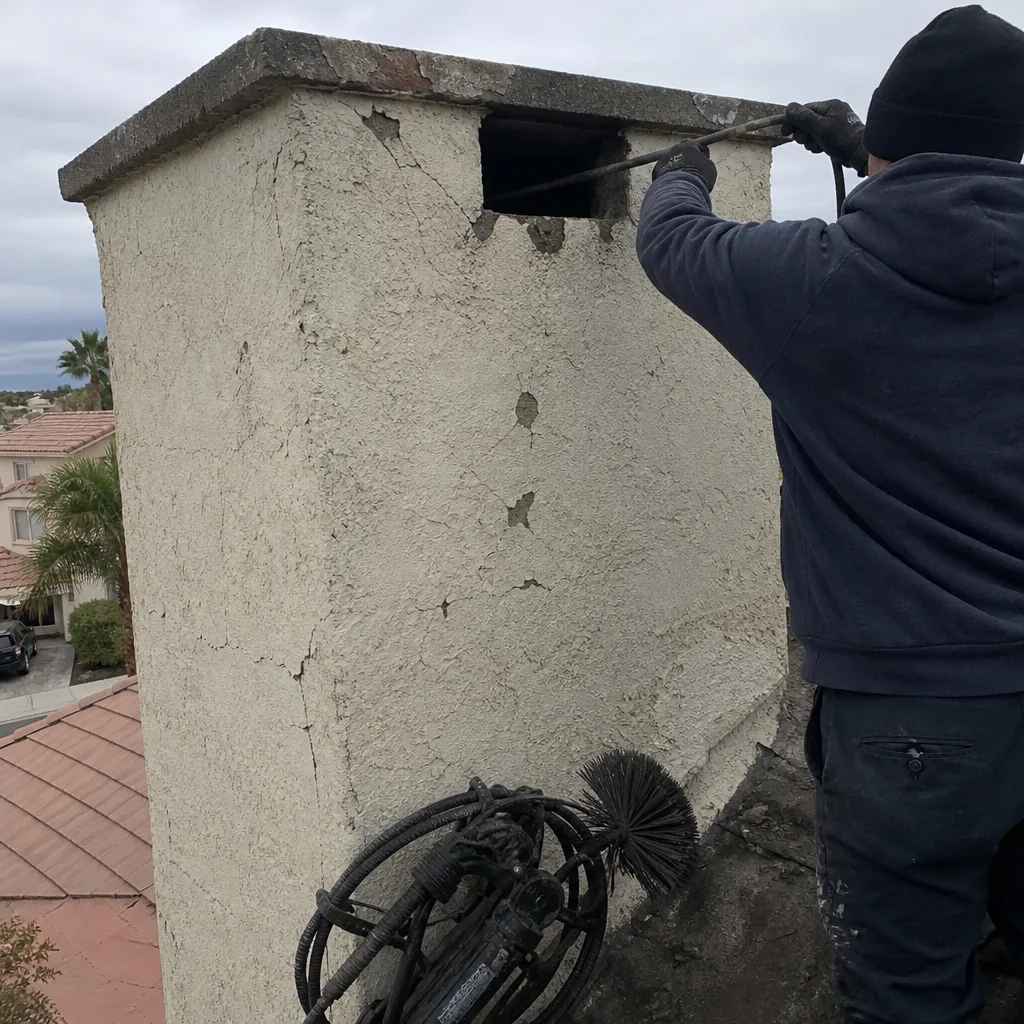 Before
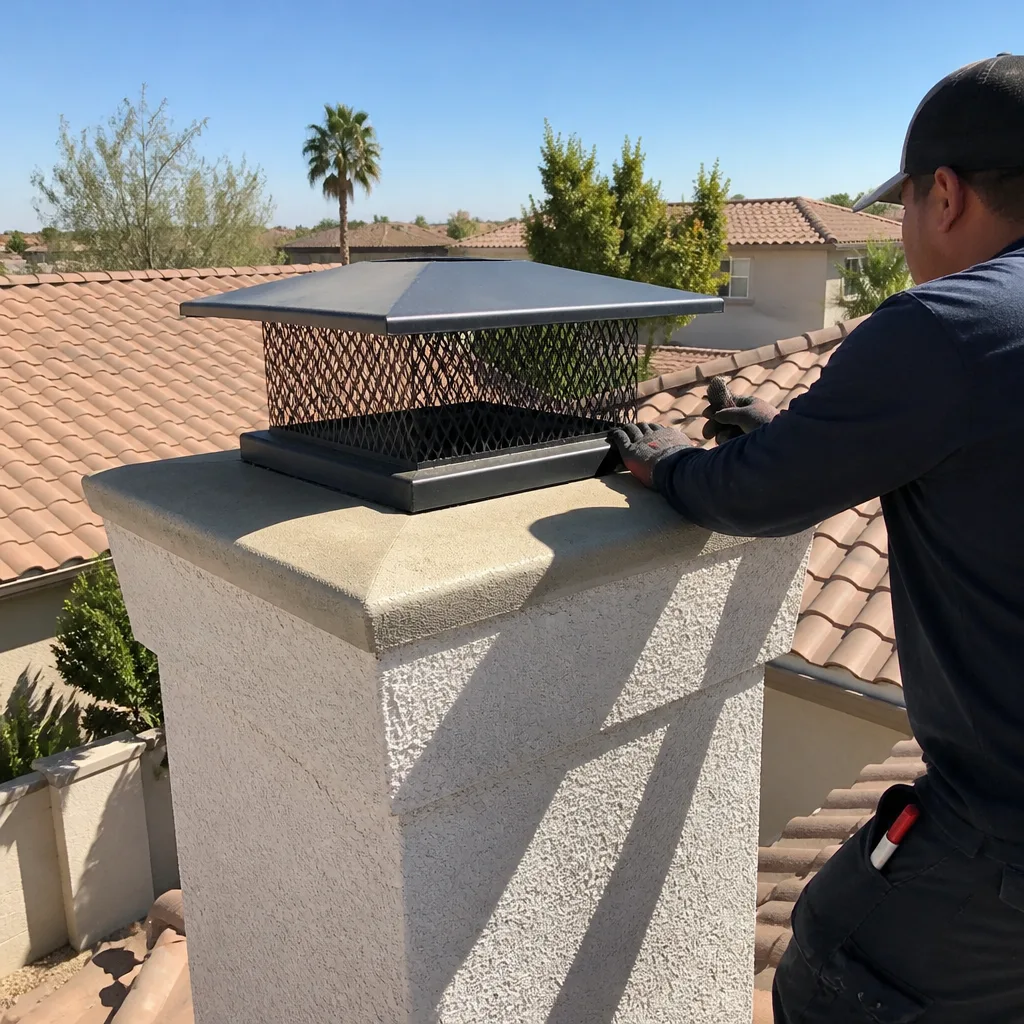 After
After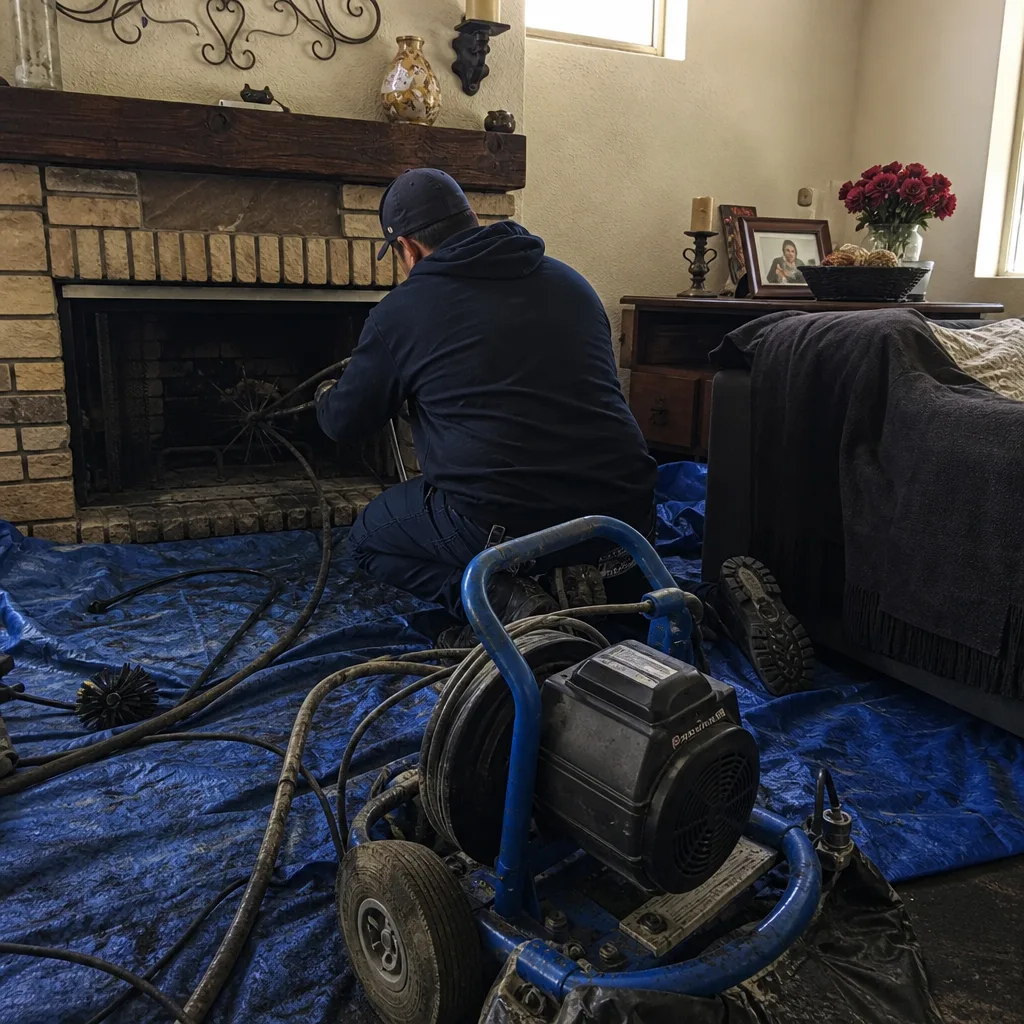 Before
 After
After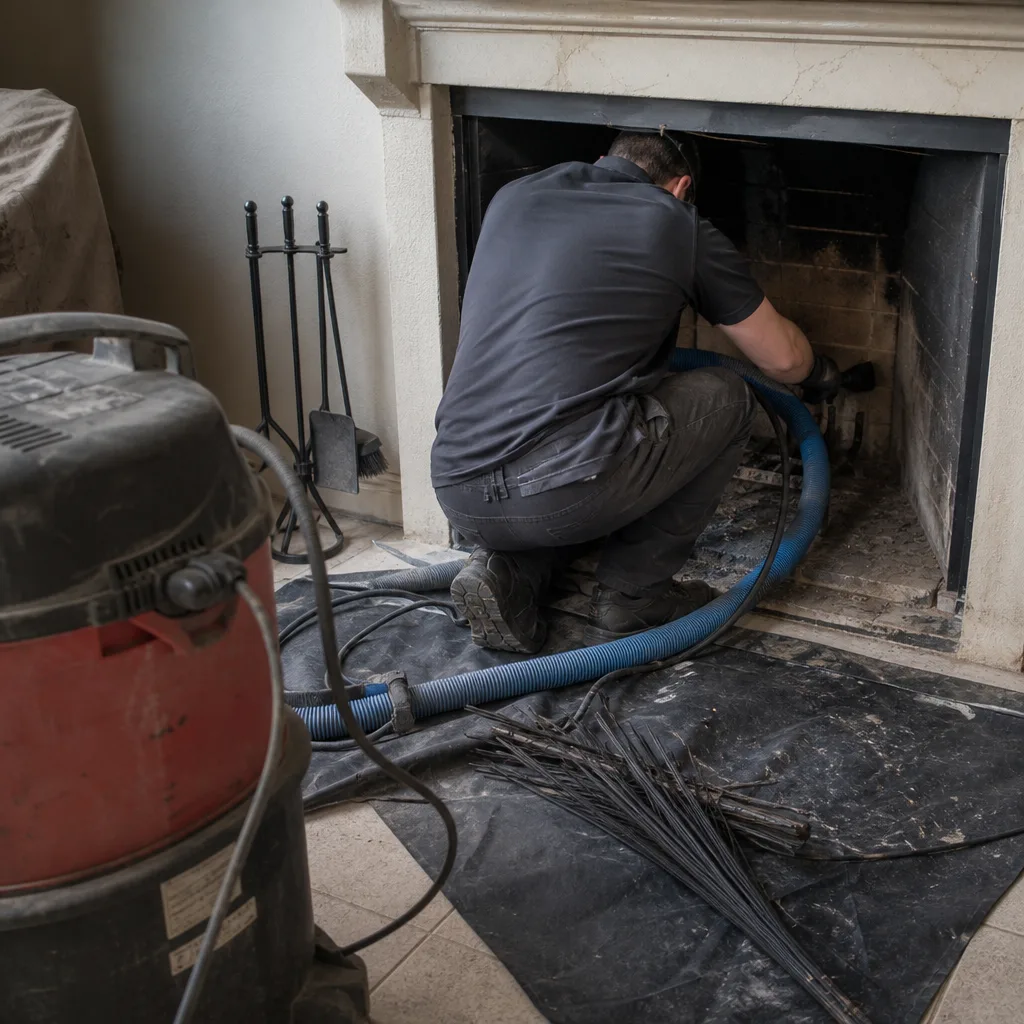 Before
 After
After