
Last updated October 15, 2026
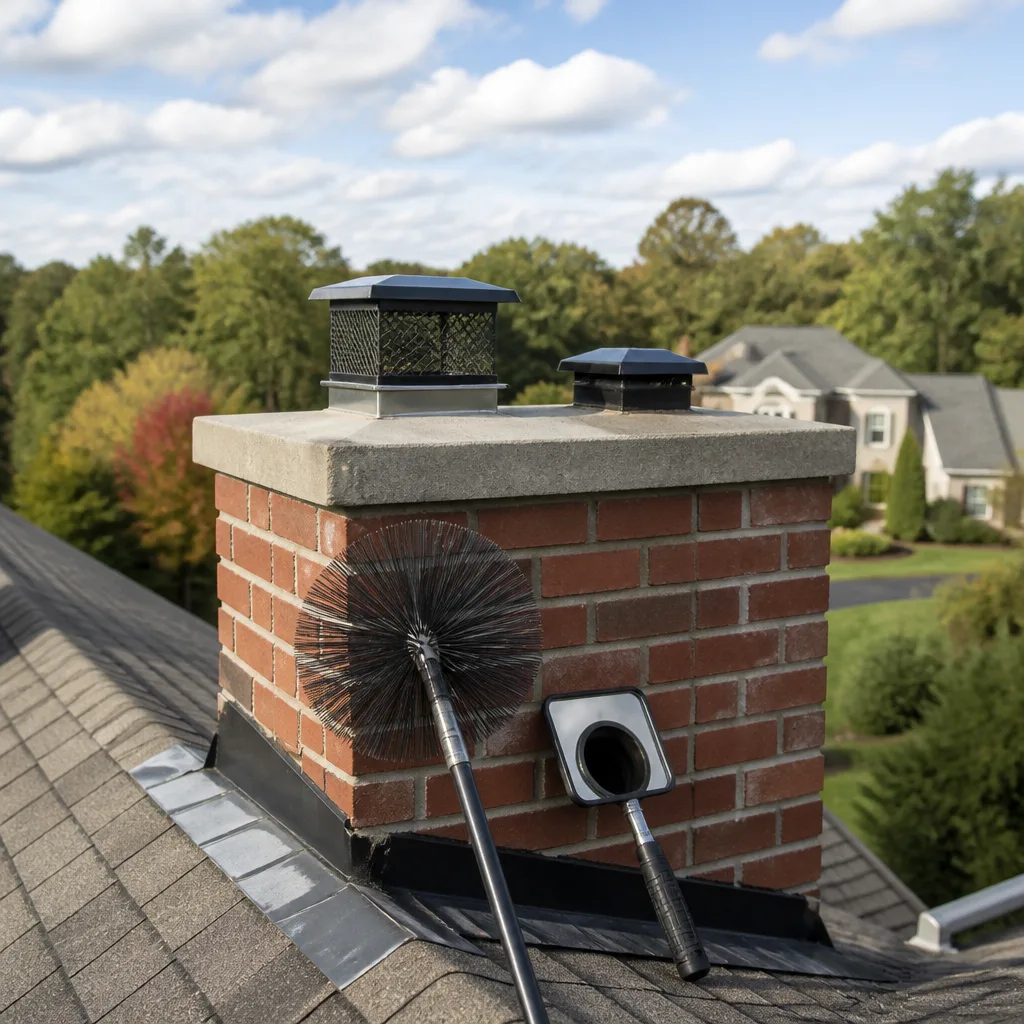 Sweep & inspection
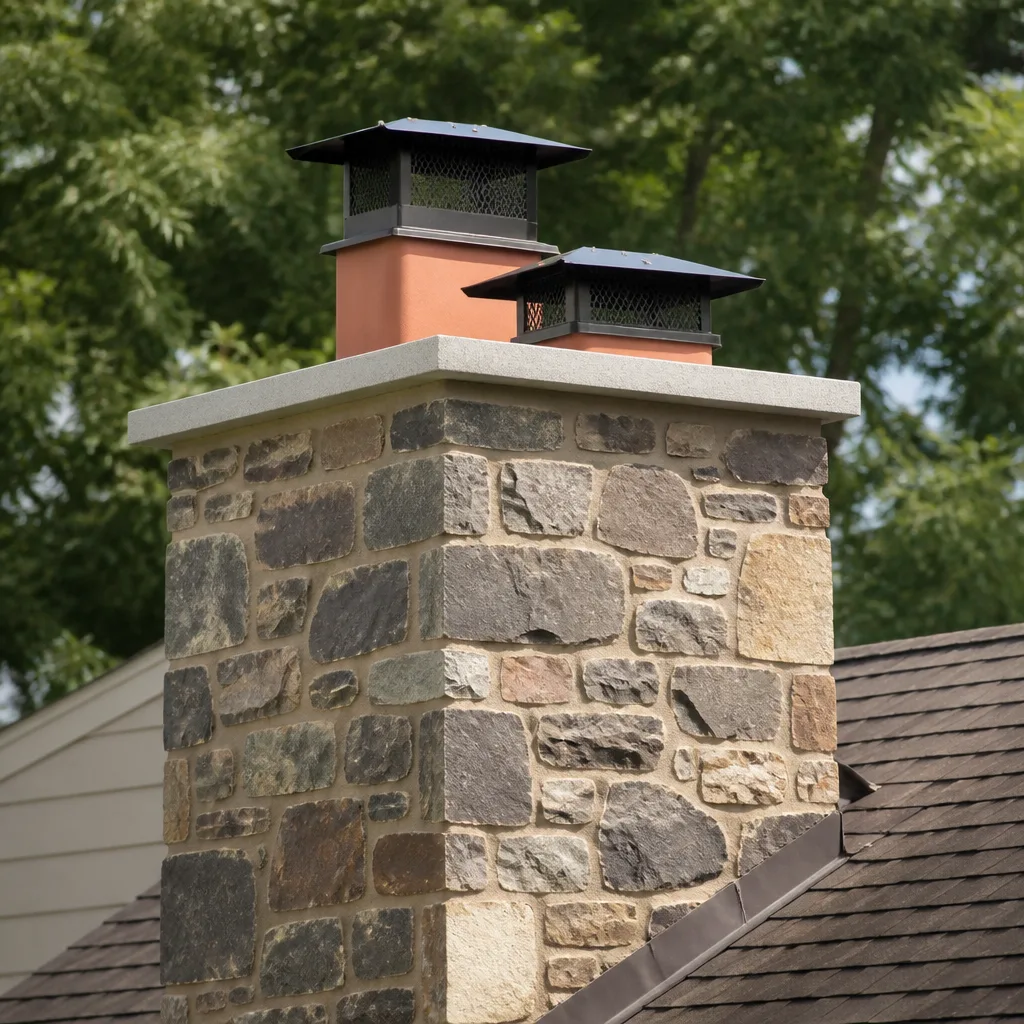 Caps & crowns
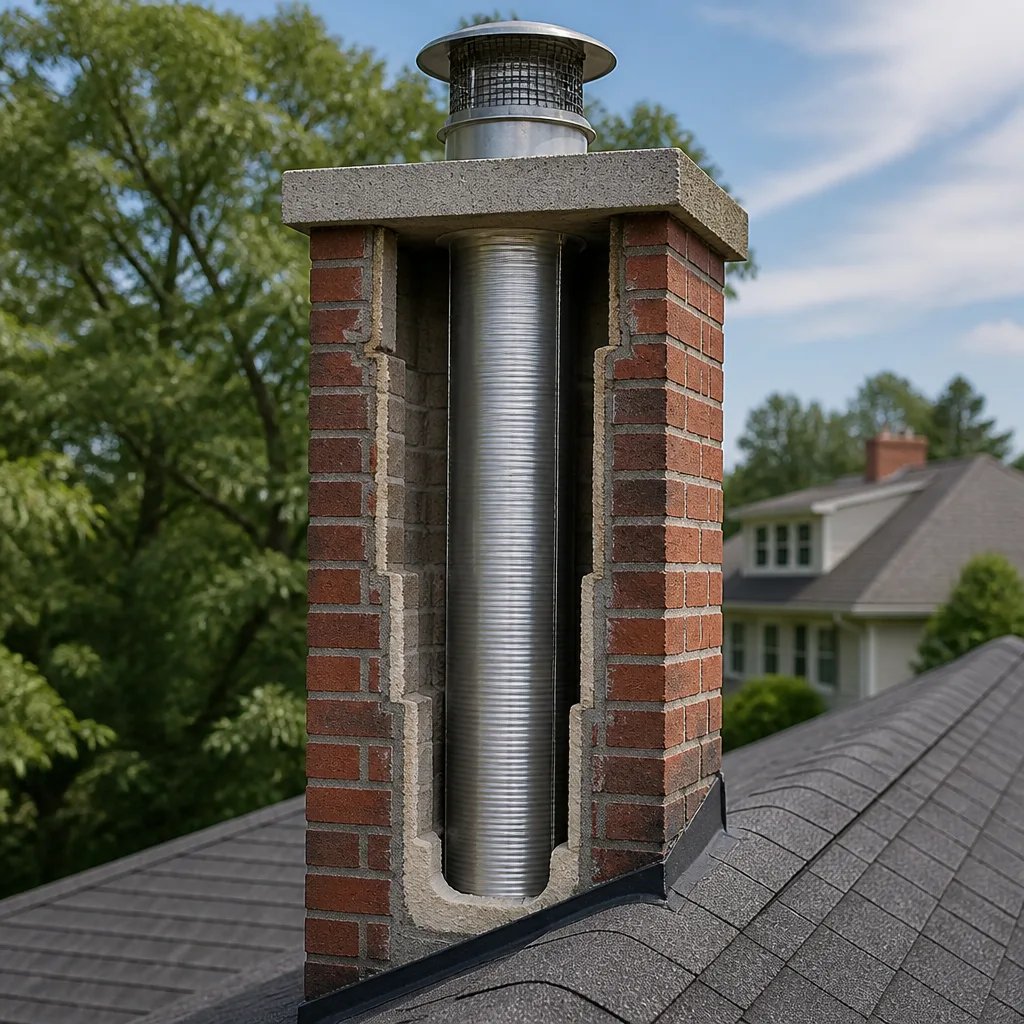 Flue relining
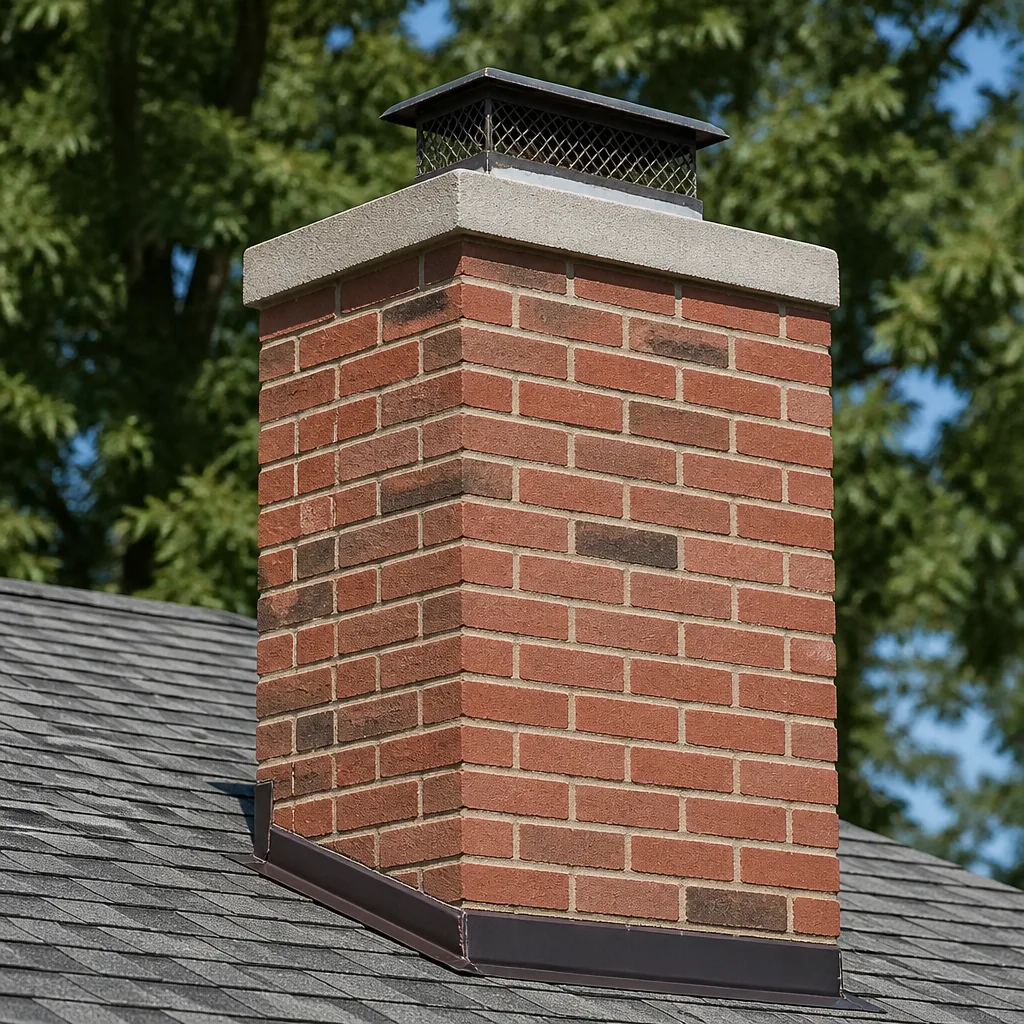 Masonry repair
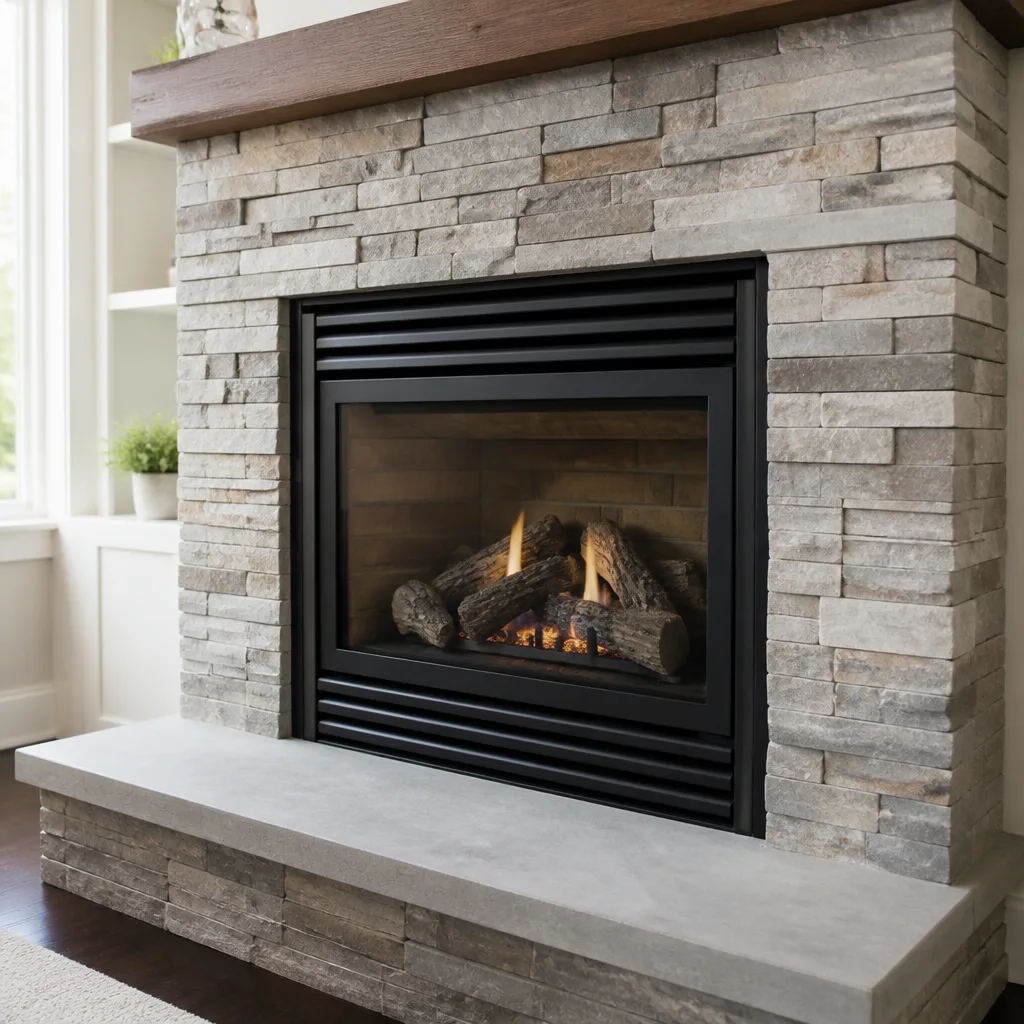 Gas fireplace service
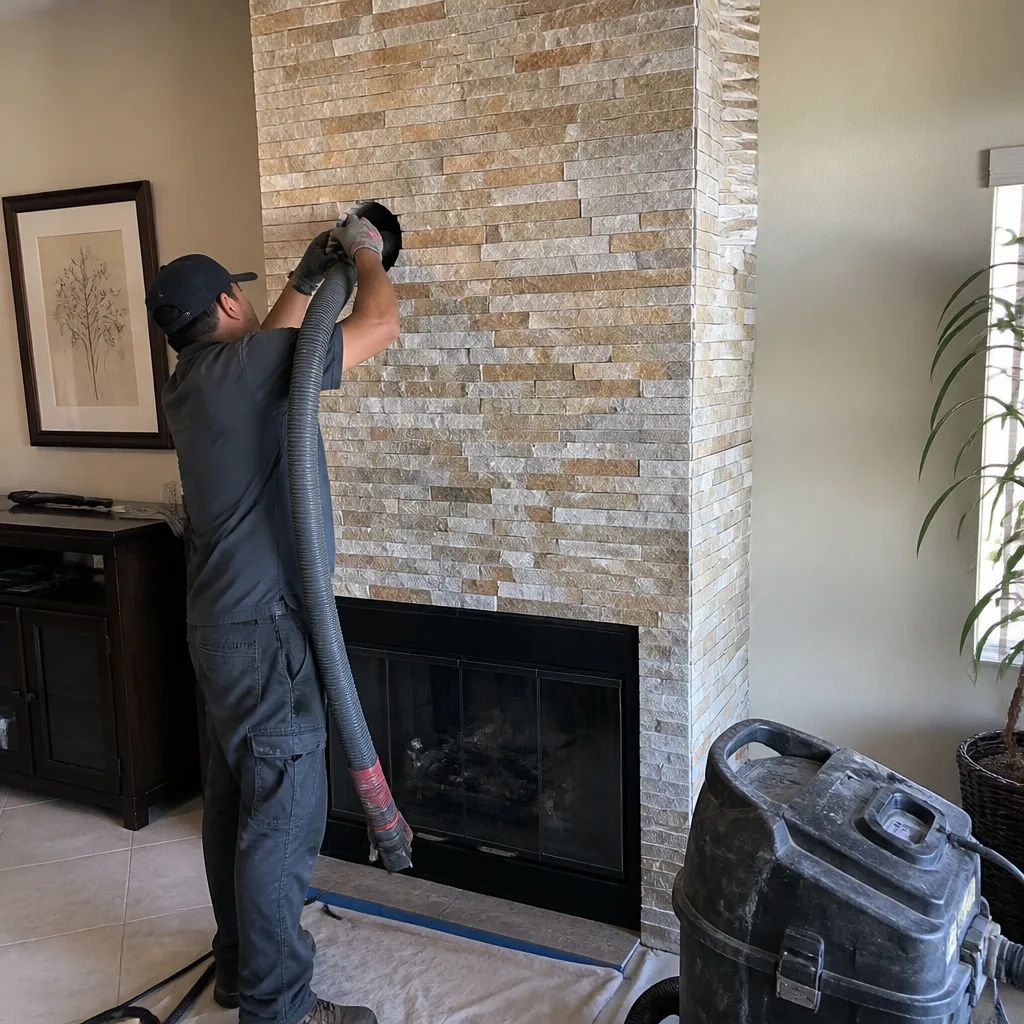
Level 1 sweep and inspection to the NFPA 211 annual standard - flue, crown, cap, and flashing checked and photographed
Chimney sweep logs do not sweep chimneys. They loosen some creosote - which then falls where a brush and vacuum still have to collect it.
Chimney Sweep Maintenance Checklist for Las Vegas Homeowners
Most Las Vegas homeowners assume chimney problems announce themselves with smoke or a strange smell. They don’t. The most expensive repairs we’ve walked into over 20+ years of service calls started as things you could see from the ground in under five minutes: a rust stain the size of a quarter, a hairline crack in the stucco chase, a cap that shifted a half inch in a windstorm. This guide is the checklist we wish every homeowner had before lighting the first fire of the season. It’s built for Las Vegas specifically, because our climate punishes chimneys differently than anywhere else in the country, and it will tell you exactly what to look at, what to photograph, and what genuinely can’t wait.
Quick Answer
A complete Las Vegas chimney maintenance routine has three parts: a five-minute ground-level visual check you can do yourself (exterior chase, cap, flashing, mortar joints, and visible flue condition), a Chimney Sweep service and inspection at least once per year, and a simple phone-camera log of anything that changes between visits. The ground check catches roughly 80% of the problems we find on service calls, and it requires no tools, no ladder, and no climbing on the roof.
Styles & brands we work with
Table of Contents
- The Five-Minute Ground Check: What You Can See Without a Ladder
- Why Las Vegas Weather Is Harder on Chimneys Than You Think
- What’s Safe to Monitor Yourself vs. What Needs a Pro
- Call Now vs. Wait: Decision Criteria for Every Finding
- The Phone-Camera Photo Log That Saves You Money
- How to Keep a Service Log That Protects You When You Sell or File a Claim
- What a Professional Chimney Sweep in Las Vegas Actually Covers
- When to Schedule in Las Vegas: Timing the Service Around Burning Season
The Five-Minute Ground Check: What You Can See Without a Ladder
You don’t need to get on the roof to catch most chimney problems early. In our experience, homeowners who run through this list twice a year, once before burning season and once after a major monsoon storm, catch things while they’re still cheap to fix. Here’s what to look at, in order, from the ground or from an upstairs window that faces the chimney.
Walk the Exterior Chase
Most Las Vegas homes have what’s called a chimney chase, a framed and stuccoed enclosure that surrounds the actual flue pipe. Start here. Look for hairline cracks running vertically or diagonally through the stucco. In Las Vegas, we see these develop not from structural settling but from thermal cycling: our summer daytime highs over 100°F followed by overnight drops mean the stucco expands and contracts daily. A crack wider than a credit card edge means water is getting in, and water is what turns a $400 stucco patch into a $4,000 chase rebuild.
Look for Efflorescence
Efflorescence is the white, chalky, crystalline deposit that appears on masonry and stucco when water moves through it and evaporates, leaving mineral salts behind. Monsoon season in Las Vegas, especially July through September, is the prime time for this to appear. If you see a white film or white staining that wasn’t there in the spring, moisture is penetrating somewhere. It’s not an emergency by itself, but it’s a signal to call before winter. Left alone through one burning season, the freeze-thaw cycles we get on rare cold desert nights will widen whatever gap let the water in.
Check the Cap and Screen
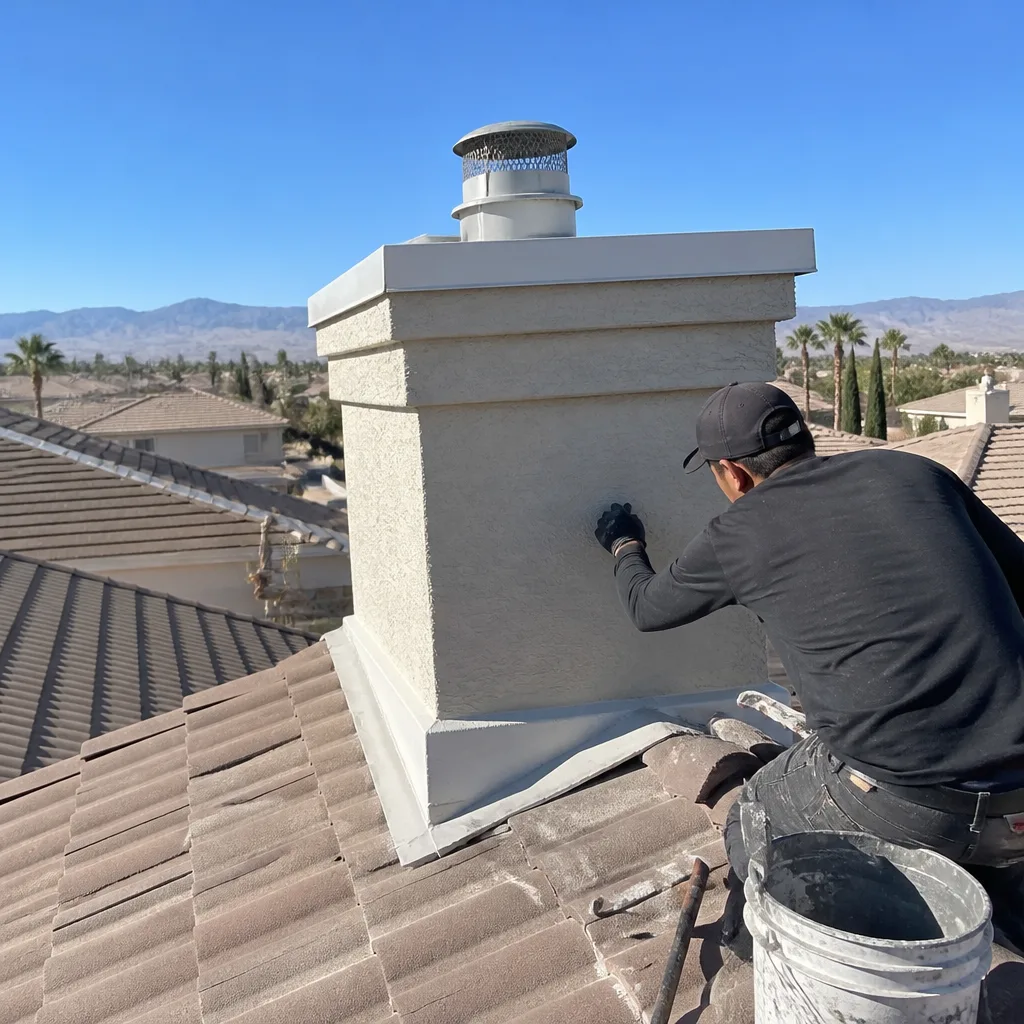
From the ground, look at the very top of the chimney. You should see a metal cap, and beneath it or integrated with it, a wire mesh screen. Las Vegas windstorms, especially the spring gusts that can hit 60 mph, are hard on these. The screen gets bent, pulled loose, or torn. When the screen fails, you’ve got an open invitation for birds, rodents, and wind-blown debris. We’ve removed nests from chimneys in Summerlin, Henderson, and North Las Vegas that had been building for months because the homeowner never noticed a loose corner of screen from the ground. A drooping cap or visibly shifted cap is a call-now item: it means the anchor is compromised, and the next windstorm can send it through a neighbor’s window.
Inspect the Mortar Joints
If your chimney is true masonry, look at the mortar lines between the brick or stone. The UV exposure in Las Vegas is relentless, and mortar is porous. Over years, the surface binder degrades, and you can actually crumble the mortar with your fingers if you can reach it. From the ground, look for mortar lines that appear recessed, darkened, or missing. This is called spalling, and it’s a progressive condition. A mason repointing a few square feet costs a few hundred dollars. Rebuilding a section of chimney that’s lost structural integrity costs thousands.
Look at the Flashing
Flashing is the metal that seals the joint where the chimney meets the roofline. From the ground, you’re looking for any visible gaps, lifted edges, or rust staining running down from that seam. Las Vegas doesn’t get much rain, but when it comes during monsoon season, it comes hard and fast. A flashing gap of even a quarter inch will channel water directly into the attic or chase. We recommend homeowners photograph the flashing in late September, before any rain returns, and compare that photo to one taken in March. Changes between the two photos are your early warning system.
Why Las Vegas Weather Is Harder on Chimneys Than You Think
People assume a desert climate means a chimney has an easy life. The opposite is true. The combination of extreme UV radiation, daily thermal expansion and contraction, and sudden monsoon deluges creates conditions that most chimney systems in wetter or more temperate areas never face. Here’s what’s actually happening to your chimney in Las Vegas.
UV Destruction
Las Vegas gets more than 300 days of sun per year. UV radiation is the primary driver of material breakdown on exterior chimney components. Stucco loses its binders. Mortar oxidizes and crumbles. Rubber flashing boots crack and split. Metal caps lose their protective coatings and then rust. What looks like “normal aging” is often accelerated UV degradation, and it happens faster here than in almost any other major U.S. city. A chimney that might last 30 years in Seattle will show serious exterior wear in 15 years in Las Vegas if it’s not maintained.
Thermal Cycling Stress
The daily temperature swing in Las Vegas is dramatic. In the spring and fall, it’s common to see 85°F at noon and 45°F by midnight. That’s a 40-degree swing in twelve hours, and your chimney’s exterior materials absorb and release that heat daily. Each material in the chimney assembly, stucco, mortar, metal flashing, the flue liner, expands at a different rate. The cumulative stress of those differential expansion rates is what creates cracks over time. It’s not a single event; it’s ten thousand small ones.
Monsoon Water Events
Las Vegas averages only about 4 inches of rain per year, but much of it arrives in a handful of monsoon storms between July and September. These storms deliver intense, short-duration rainfall, often with wind. A chimney that would handle a gentle Seattle drizzle without issue can be overwhelmed by a monsoon downpour, especially if the cap, flashing, or stucco has any compromise. The water intrusion patterns we see in Las Vegas are different from what you’d find in a rainy climate: the water enters fast, overwhelms the system, then sits in the chase or masonry for months while the desert heat bakes it. That’s the perfect recipe for mold, efflorescence, and structural rot.
What’s Safe to Monitor Yourself vs. What Needs a Pro
There’s a clear line between what a homeowner should monitor and what a homeowner should not attempt. We’re going to be direct about this because the consequences of getting it wrong are serious. A chimney is a safety system; it vents carbon monoxide and combustion gases out of your home. Improper work, or ignoring the wrong warning sign, puts people at risk.
Safe for a Homeowner to Monitor
- Exterior visual condition: cracks, efflorescence, cap position, screen integrity, flashing gaps, mortar condition.
- Visible smoke or soot staining on the exterior or around the fireplace opening inside.
- Unusual smells coming from the fireplace, especially a musty or damp smell after rain.
- Debris in the firebox after a storm or wind event.
- Damper operation if you can reach it safely without tools: does it open and close smoothly, or does it stick?
- Animal activity around the cap: birds, squirrels, or the sounds of scratching or nesting.
Not Safe to Attempt Yourself
Anything that involves getting on the roof, working at height, or opening up any part of the chimney system is a professional job. This includes removing a cap, inspecting or cleaning the flue interior, any repair to the liner or masonry, and any work involving the damper assembly beyond simple visual observation. Falls from roofs are among the most common and most severe home injuries, and a chimney that’s been compromised by water or UV damage is even more dangerous because surfaces may be unstable. The trained technicians at Chimney Sweep in Las Vegas service calls carry the right safety equipment and know how to work on roof systems without damaging the roofing materials or the chimney chase.
Call Now vs. Wait: Decision Criteria for Every Finding
This is the section that more guides & resources often skip. You’ve spotted something. Now what? Do you call a professional today, or can it wait until your next scheduled sweep? Here’s the decision framework we use with our own customers.
Call Now: These Are Hard Stops
- Cap missing or visibly shifted: The chimney is open to weather and animals. Every day it’s exposed increases the damage.
- Water inside the firebox: If you see water, dampness, or water staining in the firebox after a rain, the system has an active leak. This is not a wait-for-fall item.
- Strong smoky smell inside the home when the fireplace is not in use: This suggests a draft issue or a blockage. Carbon monoxide risk warrants immediate attention.
- Visible smoke or soot staining on interior walls near the chimney or around the fireplace opening: The system is not venting properly. This is a safety issue.
- Sounds of animals in the chimney: Live animals and nesting material are a fire hazard and a health concern.
- Large cracks (wider than a quarter) in the exterior chase: Structural compromise is likely. Water intrusion is guaranteed.
Wait for Your Annual Service, But Document:
- Minor efflorescence: Small white patches without visible cracking can wait, but photograph them and note the date. If they spread, escalate.
- Hairline stucco cracks: Cracks thinner than a credit card edge. Monitor and photograph. If they widen over two seasons, call earlier.
- Minor mortar wear: Slight recessing of mortar joints without crumbling. Schedule repointing during your next maintenance window, not as an emergency.
- Loose but intact cap screen: If the screen is bent but still covering the opening, it’s a repair item for your next visit.
- Damper that operates with slight resistance: Note it. It may just need cleaning or adjustment during your next sweep.
The thread that runs through all of this: when in doubt, take a photo and call. A quick conversation with a knowledgeable professional costs nothing and can tell you whether you’re looking at a minor issue or a safety problem. Ashby Chimney Las Vegas answers the phone with a live person 24 hours a day, seven days a week, so you’re never waiting on a callback form when you have a question about something you’ve spotted.
The Phone-Camera Photo Log That Saves You Money
Before you call any chimney professional, there are six photos you can take from the ground that will help them arrive prepared. We ask every customer to do this before we come out, and it genuinely changes the quality of the first visit. Here’s what to capture.
The Six Photos That Help a Technician the Most
- Full exterior chase from ground level: Stand 15 to 20 feet back and capture the entire chimney from base to cap. This gives us the overall condition and any obvious deformation.
- Close-up of the cap: Zoom in as far as your phone will allow. We need to see the cap condition, the screen, and whether the cap is sitting level.
- Flashing close-up: If you can see the roofline joint, photograph it from the best angle you have. Look for gaps or lifted metal.
- Any visible cracking or staining: Get in close. A quarter next to the crack provides scale. We want to see if it’s a hairline or a structural crack.
- The firebox interior: Open the fireplace doors or screen and photograph the interior with the flash on. We’re looking for soot buildup, water staining, or debris.
- The damper: If visible and safe to observe, photograph the damper in its current position. This helps us diagnose operation issues before we even ring the doorbell.
These photos do two things. They help us prepare the right tools and the right parts before we arrive, which means fewer trips and lower costs for you. And they create a dated record that protects you. If a crack widens between March and September, you have proof of the progression, which is exactly the kind of documentation an insurance claim needs.
How to Keep a Service Log That Protects You When You Sell or File a Claim
When you sell a Las Vegas home, buyers and home inspectors will ask about the chimney. When you file an insurance claim for water damage or a chimney fire, the adjuster will ask about maintenance history. Most homeowners have nothing to show, because chimney maintenance isn’t something they think to document. Here’s a simple system that takes ten minutes per year and can save you tens of thousands of dollars.
The One-Page Service Log
Create a single sheet, digital or paper, with these fields for every chimney service event:
- Date of service
- Company name and technician name
- Services performed: sweep, inspection level, specific repairs
- Materials used: brands and part numbers if available
- Photos taken: note how many and where they’re stored
- Observations or recommendations made by the technician
- Next recommended service date
Keep the log with your home’s other major systems documentation, alongside your HVAC and water heater records. When you sell, this log is a selling point. It demonstrates that the chimney has been maintained, which removes one objection a buyer might raise. When you file a claim, the log demonstrates that the damage was not the result of long-term neglect, which is exactly what insurance adjusters look for when deciding whether to approve or deny a claim.
What a Written Guarantee Should Look Like
Every repair should come with a written guarantee, not a verbal promise. At Ashby Chimney Las Vegas, every repair is covered by our 365-Day Done Right Promise: if it’s not done right, we make it right, and if a covered repair fails inside the guarantee period, we return and correct it at no charge. That’s a free second visit, not a discounted one. If a contractor can’t or won’t put the guarantee in writing, that’s a sign to look elsewhere. When you’re comparing chimney companies in Las Vegas, ask this question directly: “Will you put the guarantee in writing before I pay?”
What a Professional Chimney Sweep in Las Vegas Actually Covers
A lot of homeowners think a chimney sweep is just a guy with a brush. A real professional sweep in Las Vegas is a thorough cleaning and inspection process that catches problems while they’re small, as detailed in The Complete Guide to Chimney Cleaning in Las Vegas. Here’s what should happen on every visit, and what you’re actually paying for.
A Proper Sweep Includes
- Full flue cleaning: mechanical brushing of the entire flue length to remove creosote and soot buildup. This is the core of the service and the part most people know about.
- Firebox cleaning: removal of ash, debris, and creosote deposits from the firebox floor and walls.
- Smoke chamber and damper inspection and cleaning: the area above the firebox where smoke collects before entering the flue. This area is often overlooked and can hold significant creosote.
- Cap and screen inspection and cleaning: the cap is visually inspected, the screen is checked for damage, and both are cleared of debris.
- Visual inspection of all accessible components: flashing, chase exterior, damper operation, and visible flue liner condition.
At Ashby Chimney Las Vegas, every sweep includes a written price before any work starts. The number on the invoice matches the number quoted at the door. Most chimney sweeps in Las Vegas run between $169 and $350 depending on the home’s configuration, the condition of the flue, and whether there are any accessibility challenges. It’s a predictable cost, not a surprise at the end.
Why the Inspection Matters More Than the Sweep
The cleaning is important, but the real value is in the inspection. A professional chimney sweep will identify issues that are invisible from the ground: cracked flue liners, deteriorated mortar joints inside the chase, water damage that hasn’t yet shown on the exterior, and creosote buildup that’s reached a dangerous level. The equipment we use, including camera inspection systems, lets us see the entire flue interior and show you exactly what we’re seeing. Nothing gets recommended without visual evidence you can see for yourself. If we tell you a liner needs replacement, we’ll show you the camera footage that proves it. That’s the standard any reputable Chimney Inspection in Las Vegas should meet.
When to Schedule in Las Vegas: Timing the Service Around Burning Season
Las Vegas has a unique burning season. It’s not a six-month heating season like the Midwest; it’s a short window from roughly late October through early April, with the heaviest use between Thanksgiving and Valentine’s Day. Here’s how to time your maintenance so you’re not waiting three weeks for a sweep during the first cold snap.
The Best Time to Schedule
The ideal window is September through mid-October. This is after the worst of the monsoon season, so any water intrusion has already happened and can be identified. It’s before the rush, so you’ll get your choice of appointment times without the three-week wait that’s common in November. And it means your chimney is clean and inspected before you light the first fire. If you miss that window, February through April is the second-best option: the burning season is winding down, technicians are less rushed, and any repairs can be scheduled with plenty of time before the next season.
Why You Shouldn’t Wait Until November
Every year, we get a wave of calls in the second week of November from homeowners who just lit their first fire and smelled something wrong or saw smoke backing up. By then, the schedule is packed, and the problem that would have been a $200 sweep in September is now a $2,000 repair in November because the damage had time to progress. The economics are simple: a scheduled maintenance visit costs a predictable amount. An emergency repair during peak season costs more, takes longer to schedule, and often involves more extensive work because the problem wasn’t caught early.
For homeowners who want the full picture, Fireplace Repair in Las Vegas covers the repair side of the equation, including liner replacement with professional-grade materials from brands like DuraFlex and Olympia Chimney. And if you’re new to this whole topic, start with the Ashby Chimney Las Vegas home page for an overview of everything we do.
Common Mistakes to Avoid
- Only thinking about the chimney in November: The first cold week brings the rush. Problems that could have been caught in September become emergencies in November. Schedule during the shoulder seasons.
- Ignoring hairline stucco cracks: In Las Vegas, those hairline cracks are the first visible sign of water intrusion. They will not get better on their own, and every monsoon season makes them worse.
- Assuming a metal cap means you never need to check the chimney: Caps wear out too. UV damage, wind damage, and rust all compromise a cap over time. A cap that’s still there but no longer effective is invisible damage.
- Paying for a sweep without an inspection: A cleaning without a thorough inspection is half a job. The inspection is where problems get caught. If a company won’t do a full visual inspection, they’re not doing the job.
- Not asking for a written price before work starts: This is the most important question you can ask. If a company won’t put the price in writing before work begins, find another company. The Kingswell Way is built on this: say the price, show up, leave it cleaner, put the guarantee in writing, come back if it fails.
- Ignoring a damp smell in summer: If your fireplace smells musty in July, water got in during the monsoons. It won’t dry out on its own, and the next season of use will bake that moisture into your masonry and accelerate damage.
- DIY-ing a chimney repair because it “looks simple”: Chimney repairs at height are dangerous, and the interior components are safety-critical. A mistake can cause a chimney fire or carbon monoxide poisoning. This is not a weekend project.
See the difference
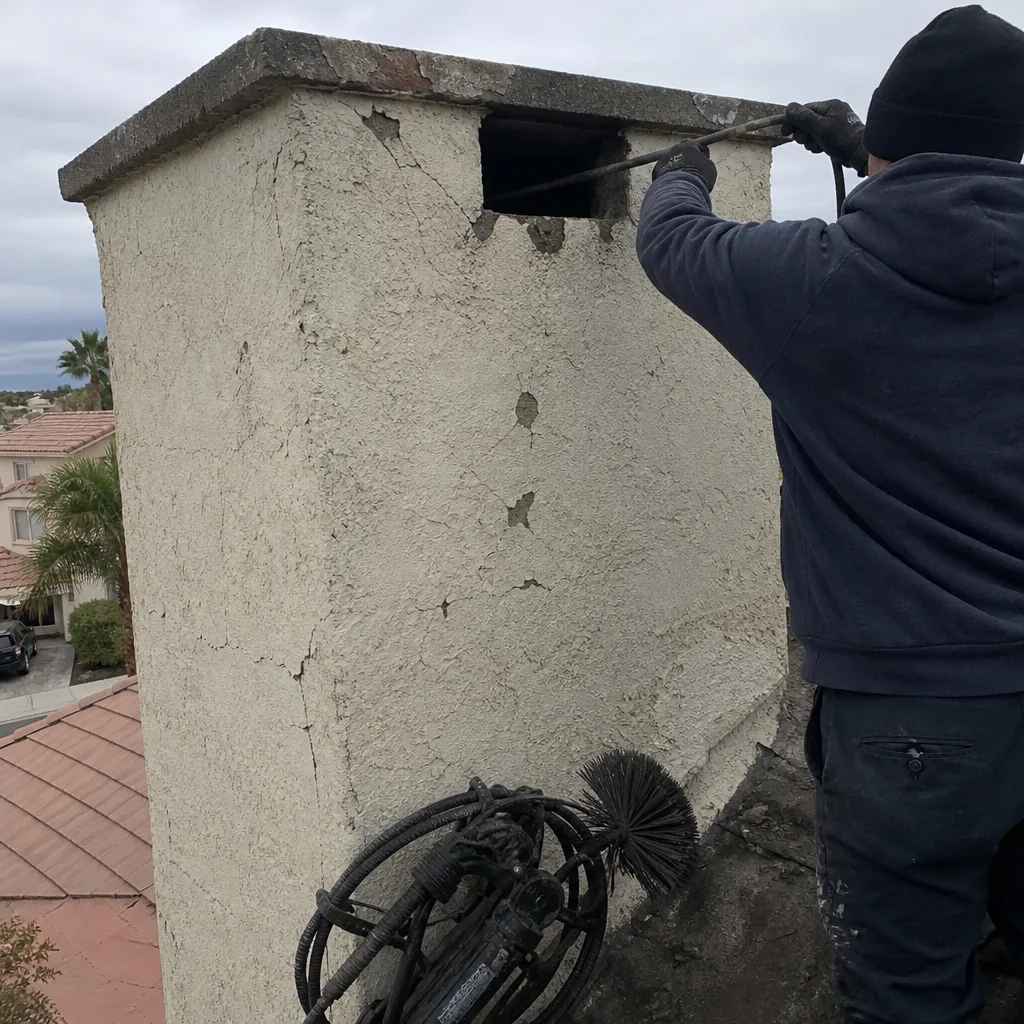 Before
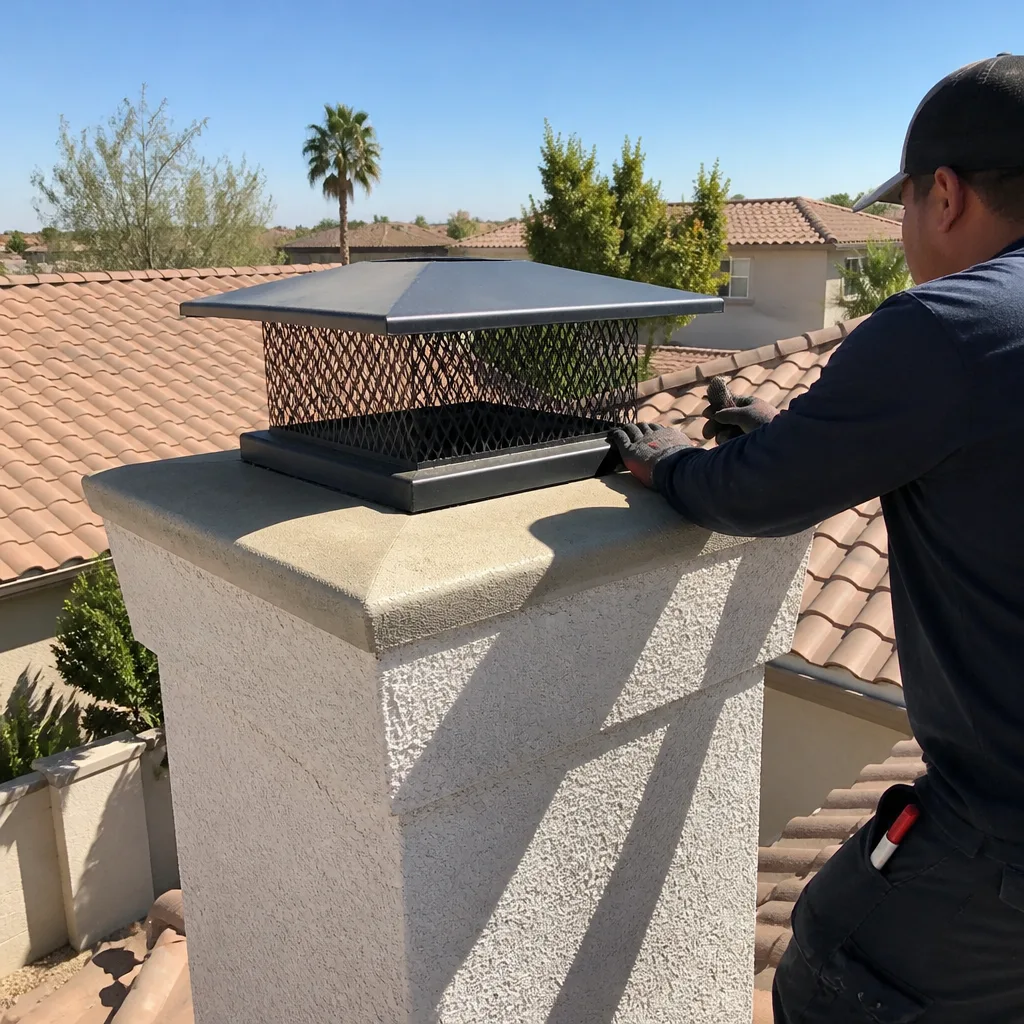 After
After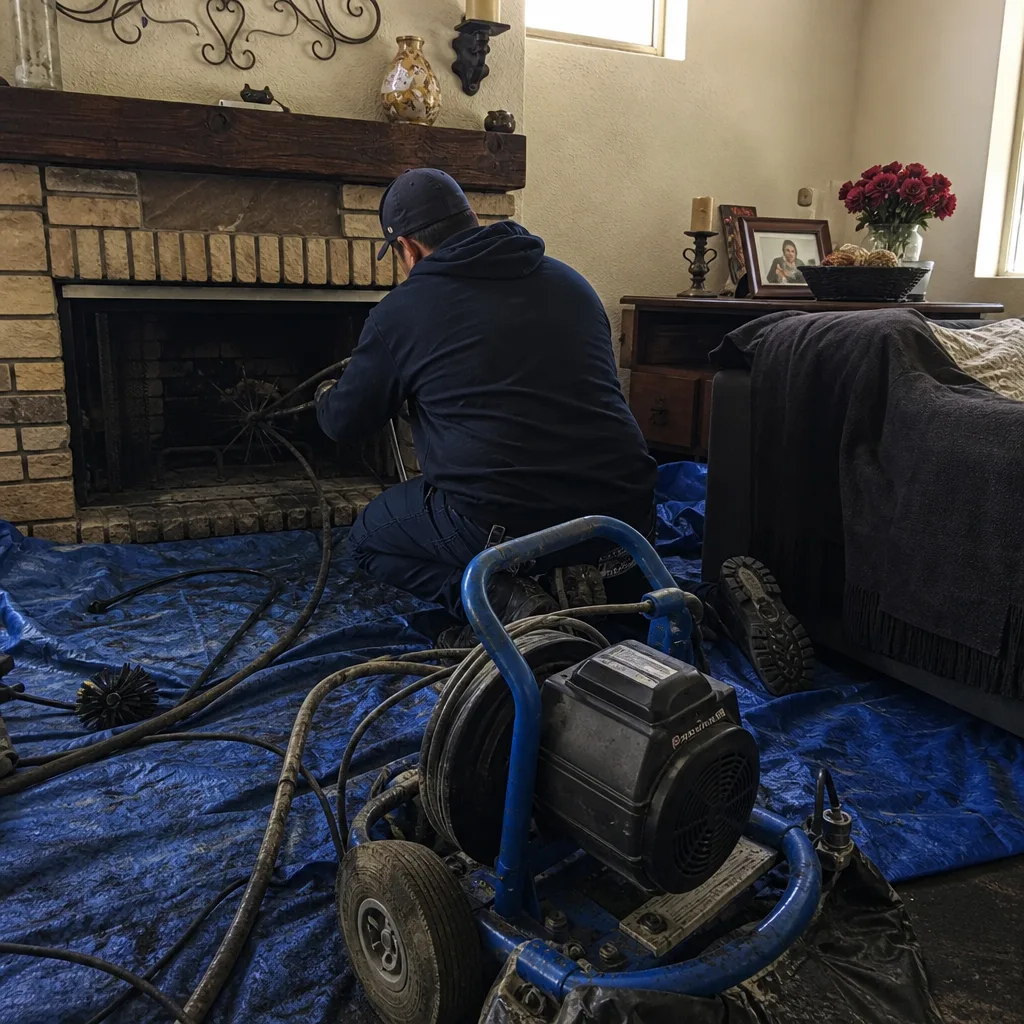 Before
 After
After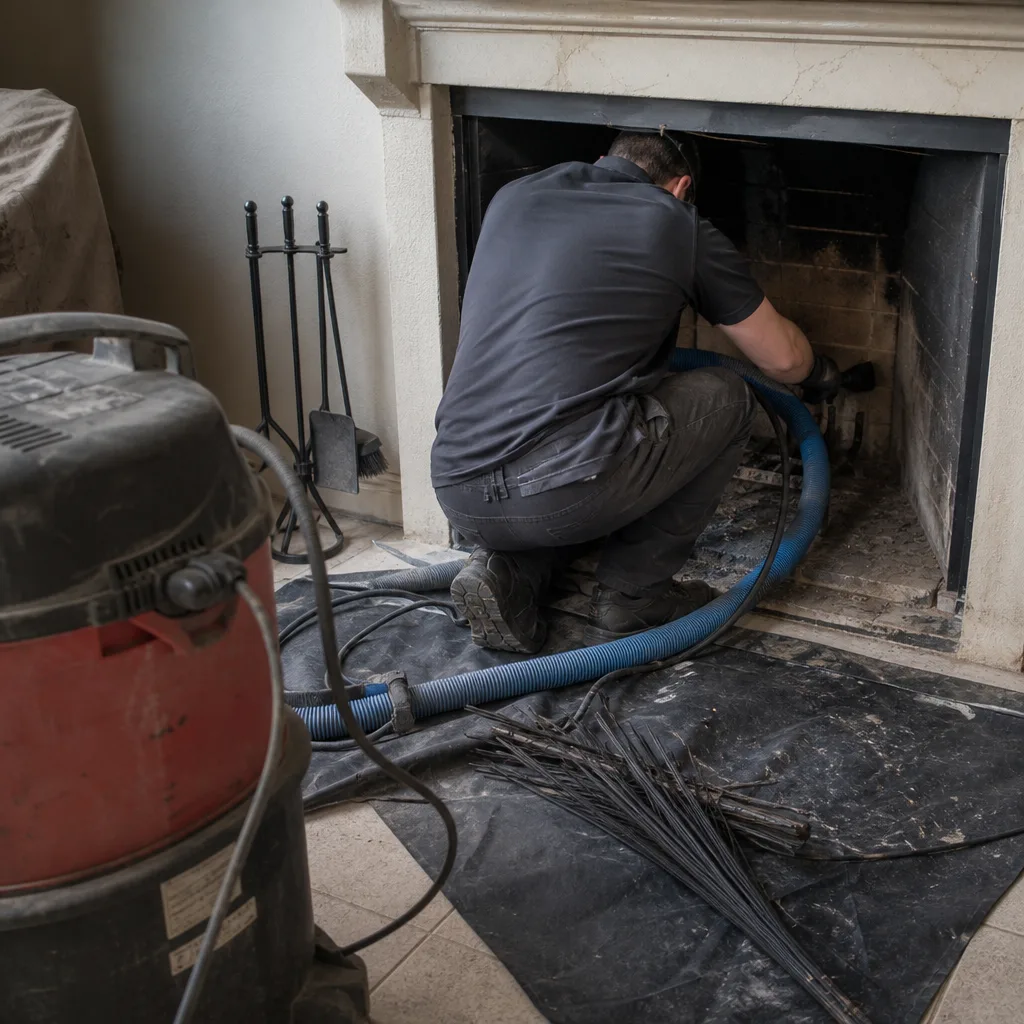 Before
 After
AfterWhen to Call a Professional
Call a professional when you see a missing or shifted cap, water inside the firebox, smoke backing up into the room, large cracks in the chase, or signs of animal activity. Call when you smell something wrong, even if you can’t identify it. Call when you’ve seen a change between two photo logs and you’re not sure what it means. And call for your annual sweep and inspection, because that’s the maintenance visit that prevents everything else on this list. Ashby Chimney Las Vegas offers free estimates in Las Vegas. We answer the phone with a live person, we show up when we say we will, and every job gets a written price before any work starts and a written guarantee when it’s done. Call (725) 220-6109 and you’ll talk to a real person who can answer your questions.
Frequently Asked Questions
Most chimney sweeps in Las Vegas run between $169 and $350 for a standard cleaning and inspection, depending on the home’s configuration, the flue condition, and any accessibility issues. The price should be quoted before work starts, in writing, so the invoice matches the quote. Call (725) 220-6109 for an exact quote based on your home, estimates are free and there’s no obligation.
At least once per year, even if you only use the fireplace a handful of times. The inspection component matters as much as the cleaning. Las Vegas conditions, including wind-blown debris, animal activity, and UV degradation of exterior components, mean a twelve-month inspection interval is the right call for most homes. If you burn more than twice a week during the season, consider a mid-season check.
Creosote builds up inside the flue, and creosote is flammable. A chimney fire burns hot enough to crack liners and damage the structure, and it often goes unnoticed until the damage is done. Even if you don’t have a fire, moisture and animal damage accumulate. A chimney that hasn’t been serviced in five years typically costs more to bring back to safe condition than five years of annual maintenance would have cost.
Not always. Small cracks can sometimes be addressed with resurfacing products like HeatShield, which are designed to seal and restore existing liners without full replacement. The only way to know is with a camera inspection that shows the actual condition. Ask to see the footage. If a company tells you a liner needs replacement without showing you camera evidence, get a second opinion.
No. A chimney that’s been dormant for years can have blockages, animal nests, water damage, or structural issues that aren’t visible from outside. Have it swept and inspected before lighting anything. The cost of the inspection is a fraction of what a chimney fire or carbon monoxide incident can cost you.
Water intrusion through the chase or flashing. The damage happens slowly, over multiple monsoon seasons, and by the time it’s visible inside the home, the repair is extensive. The ground-level checks in this guide, especially looking for efflorescence, hairline stucco cracks, and rust staining at the flashing, are designed to catch water intrusion before it becomes structural. If you see the signs, call (725) 220-6109 and we’ll take a look.
The Bottom Line
A Las Vegas chimney maintenance routine is five minutes of observation twice a year, one professional sweep and inspection annually, and a simple photo log that costs nothing to keep. The ground-level checklist catches most problems before they become expensive. The service log protects you when you sell or file a claim. And the decision criteria, call now vs. wait, removes the guesswork. The phone number to call when you find something is (725) 220-6109. Written price before we start, written guarantee when we finish, and a live person on the phone whenever you call. That’s the whole system, and it works.
Written by Nathan Corliss, Owner at Ashby Chimney Las Vegas, serving Las Vegas since 2002.