
Last updated October 15, 2026
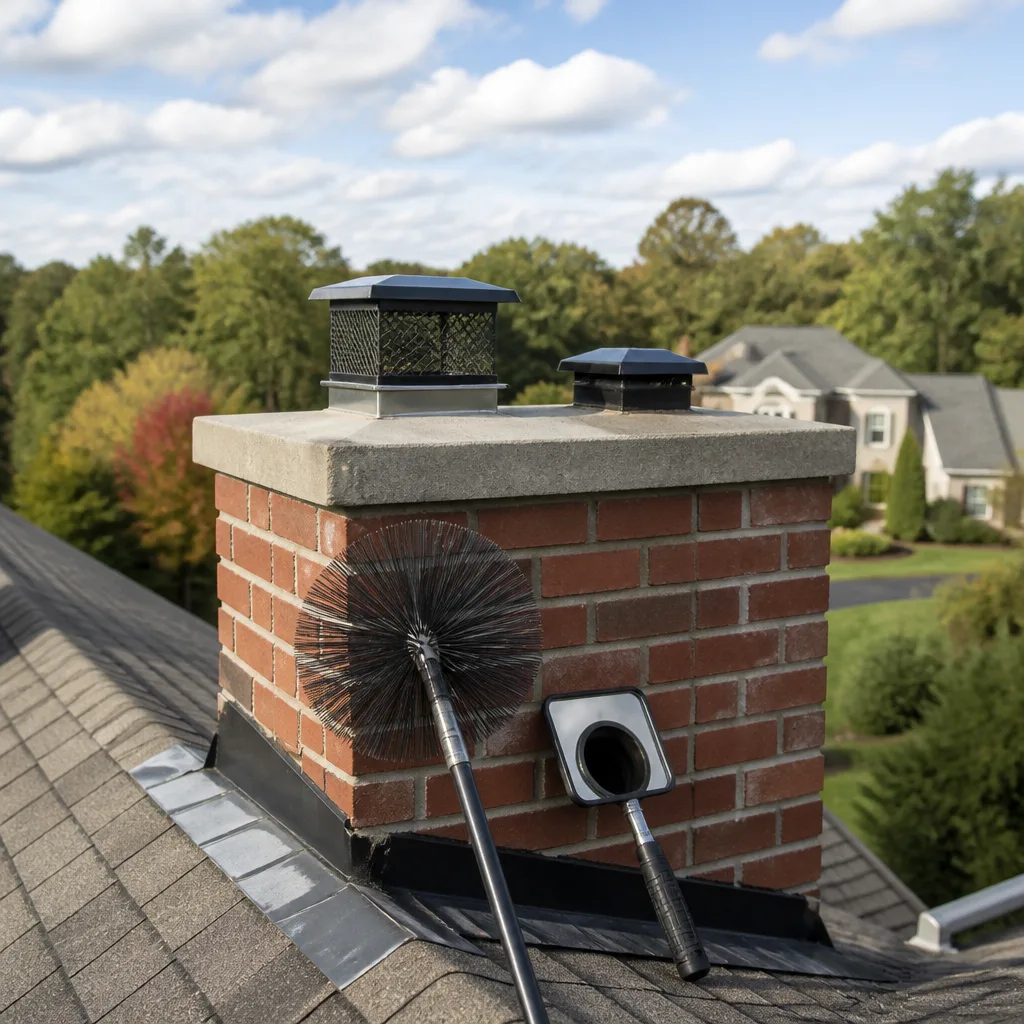 Sweep & inspection
 Caps & crowns
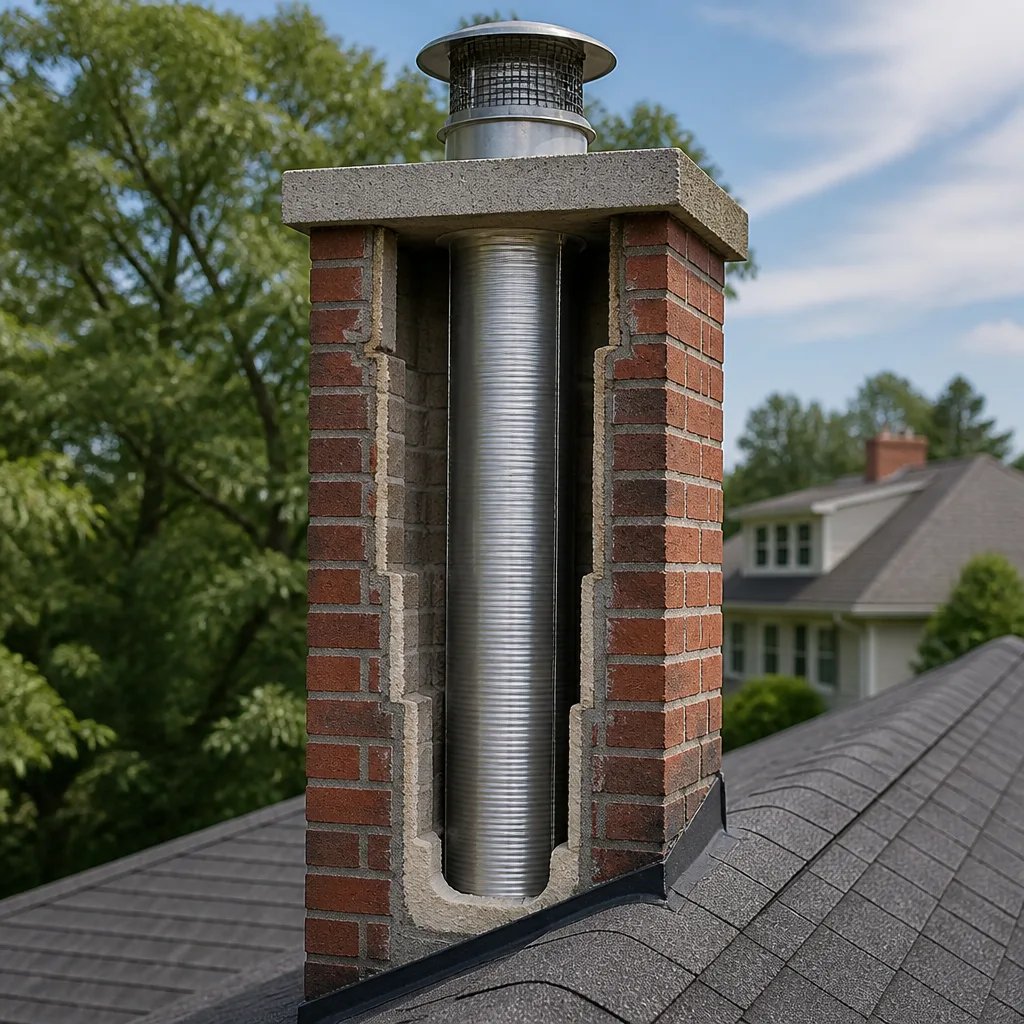 Flue relining
 Masonry repair
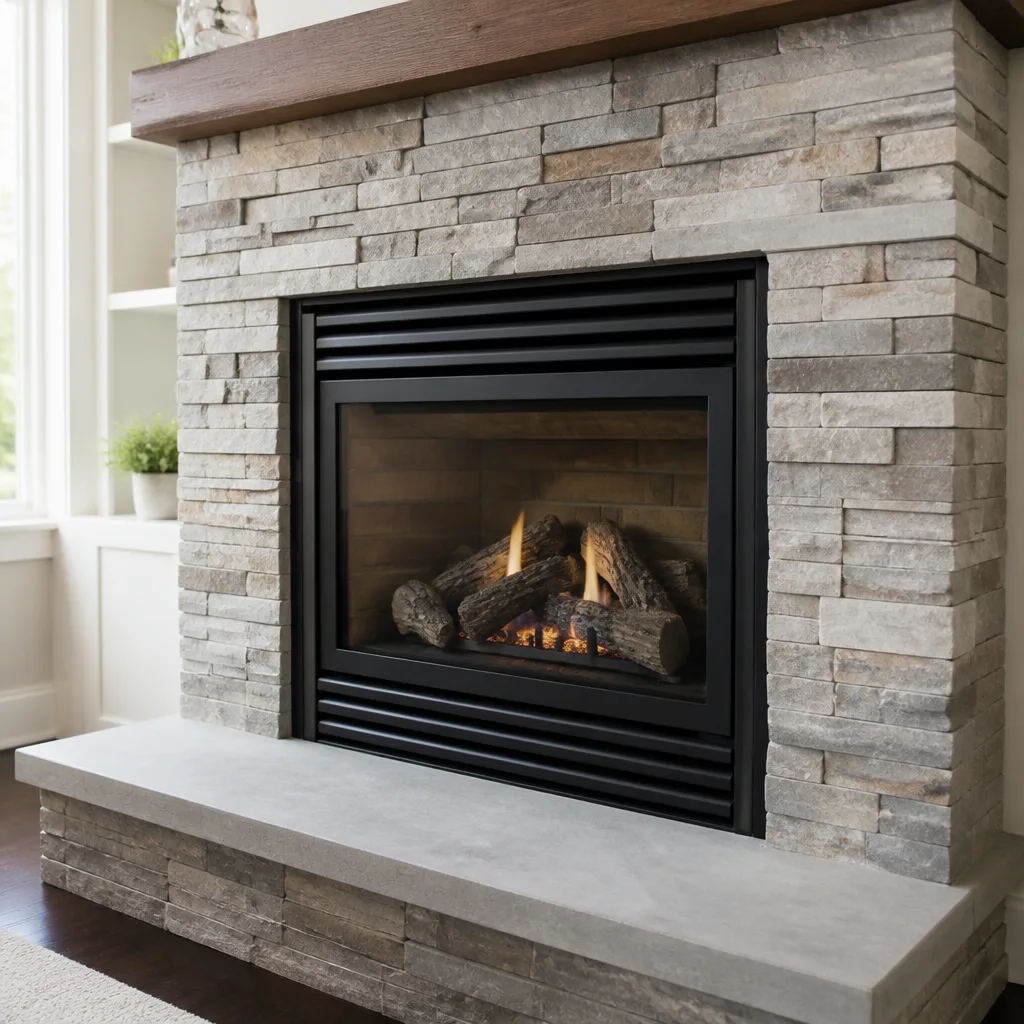 Gas fireplace service
Level 1 sweep and inspection to the NFPA 211 annual standard - flue, crown, cap, and flashing checked and photographed
Chimney sweep logs do not sweep chimneys. They loosen some creosote - which then falls where a brush and vacuum still have to collect it.
Chimney Cleaning Permits, Codes & Inspections in NV: What You Need to Know
A routine chimney sweep in Las Vegas doesn’t require a permit. Neither does a standard chimney inspection. But here’s the part that catches homeowners off guard: many of the repairs those services uncover do, and if you sell your house without proof those repairs were permitted, it can cost you thousands at the closing table. This guide walks through exactly what Nevada code and Clark County building rules say about chimney work, which jobs are permit-exempt, which ones aren’t, and how to protect yourself before you write a check or list a house. For The Complete Guide to Chimney Cleaning in Las Vegas, see our companion resource.
Quick Answer
Chimney cleaning and basic chimney inspections in Nevada are permit-exempt and are treated as routine maintenance. Permits come into play when structural work is involved: liner replacement, firebox rebuilds, chimney crown repair, or any alteration to the chimney’s structure. The trigger isn’t whether the work is done right. It’s whether the work is done at all without a permit when one was required.
Styles & brands we work with
Table of Contents
- The Permit Threshold: What’s Exempt and What Isn’t
- NFPA 211 and Nevada Code: Which Standard Governs
- When a Level 2 Inspection Is Required in Nevada
- How to Verify a Contractor Pulled the Right Permit
- Why a Written Scope of Work Protects You
- Selling a Home: How Unpermitted Chimney Work Surfaces
- Insurance and Chimney-Related Claims in Nevada
- Common Mistakes to Avoid
The Permit Threshold: What’s Exempt and What Isn’t
Clark County building code treats routine chimney maintenance the same way it treats changing a furnace filter: no permit, no inspection, no paperwork. A chimney sweep in Las Vegas falls squarely in that category. The technician removes creosote, brushes the flue, vacuumes the firebox, and leaves. Nothing structural changes, so nothing triggers the permit process.
Here’s where the line gets sharp. Under Nevada Revised Statutes and Clark County’s adopted building codes, a permit is required when work alters the chimney system’s structure, fire resistance, or function. That includes:
- Flue liner replacement or repair. Installing a new stainless steel liner, replacing cracked clay tiles, or applying a resurfacing system like HeatShield all fall under this category. The liner is the flue’s structural and fire-resistance backbone. Replacing it isn’t maintenance; it’s alteration.
- Firebox rebuilding or significant repair. If the mortar joints in your firebox are so far gone that bricks need to be removed and reset, that’s structural masonry work. A permit is required in Clark County.
- Chimney crown replacement. The crown is the concrete slab at the top of the chimney that sheds water. Replacing it involves demolition, formwork, and new concrete. That’s structural.
- Smoke chamber parging or rebuilding. The smoke chamber is the transition zone above the firebox. Parging it with a smooth, heat-resistant surface changes its function and requires a permit.
- Any modification to the chimney chase or surrounding framing. If a contractor has to open up the chase to access the chimney, that’s work that affects the building envelope and usually requires a permit.
We’ve walked into plenty of Las Vegas homes in Summerlin, Green Valley, and Henderson where a previous repair was done beautifully and failed code review only because no one pulled the permit. The work wasn’t wrong. The paperwork was missing. That’s the $4,000 lesson.
NFPA 211 and Nevada Code: Which Standard Governs
This is the question that turns into a headache during real estate transactions. Nevada doesn’t have a standalone state chimney code. Clark County and the incorporated cities within it adopt the International Residential Code and International Building Code, which then reference NFPA 211 as the recognized standard for chimney and venting systems. What does that mean in practice? NFPA 211 is the rulebook for how a chimney should be built and maintained. The building code is the rulebook for what requires a permit and a passing inspection.
In a dispute, the enforcing authority is the local building department, not the NFPA. A home inspector or insurance adjuster may cite NFPA 211 language in a report, but the legal requirement to have pulled a permit comes from the adopted building code. So when a home inspector claims your chimney doesn’t meet NFPA 211, what they’re really saying is that the adopted code requires the chimney to meet that standard, and the condition they’re flagging suggests it doesn’t.
In our experience, most Las Vegas homeowners never need to know any of this until they’re on one side of a home sale. Then it matters fast. A buyer’s inspector flags a liner that was replaced without a permit. The seller can’t produce one. Negotiation stalls. The fix is either retroactively permitting the work, which requires an inspection and possibly opening up walls, or dropping the price. Neither is pleasant.
When a Level 2 Inspection Is Required in Nevada
Chimney inspections are divided into three levels by the Chimney Safety Institute of America and NFPA 211. A Level 1 inspection is the standard annual check: accessible portions of the chimney are examined, the flue is swept if needed, and the technician confirms the system is fundamentally sound. Watch for Chimney Cleaning Warning Signs: A Las Vegas Homeowner’s Reference Guide to know when to schedule. A Level 2 inspection goes further. It includes everything in Level 1 plus attic, crawlspace, and roof access, plus a video scan of the flue interior.
In Nevada, certain events trigger a Level 2 inspection requirement, not necessarily by law but by industry standard and insurance carrier requirements:
- Property transfer or sale. Many Nevada home sale contracts now require a Level 2 chimney inspection as a condition of closing, especially for homes built before 1990 with original masonry chimneys.
- After a chimney fire. If you’ve had a chimney fire, even a small one, the industry consensus is that a Level 2 inspection is mandatory before burning again. The fire may have damaged mortar joints or the liner without visible evidence from the outside.
- After a significant weather event or earthquake. Las Vegas doesn’t see many earthquakes, but we do get microbursts and monsoon-season winds that can shift chimney caps or crack crowns. After any structural event, a video inspection is the only way to know what actually happened inside the flue.
- Change in fuel type or appliance. Switching from wood to gas, installing a new insert, or replacing a furnace that vents through the chimney all trigger the need for a Level 2 inspection.
Our Chimney Inspection in Las Vegas page walks through exactly what each level includes and what we charge for each, written down before we start.
How to Verify a Contractor Pulled the Right Permit
This five-minute check can save you from the exact scenario we opened this guide with. Clark County lets anyone search building permit records online, and the process is straightforward if you know where to look. Here’s the step-by-step:
- Go to the Clark County Building Department website. Look for the permit search portal, usually labeled “Permit Search” or “Building Records.”
- Enter your property address. Don’t search by contractor name. Search by the parcel number or street address where the work was done. That’s the record that matters to a future buyer.
- Look for a permit issued in the same window as the work. If the contractor said they pulled a permit in March, there should be a permit record with an issue date in March of that year, not a year later.
- Check the permit description. The record should list the scope: “chimney liner replacement,” “firebox repair,” “masonry chimney repair,” or similar. If the description says “general repair” and you paid for a liner replacement, dig deeper.
- Confirm the status shows “finaled” or “final inspection passed.” A permit that was pulled but never finaled is nearly as problematic as no permit at all. It means the work was never inspected and closed out.
If you can’t find the record, call the building department directly and ask. They can search by address and confirm whether any permits exist for your property. It takes ten minutes and gives you a definitive answer.
Why a Written Scope of Work Protects You
A written scope of work is the single most underused protection in home contracting. It shouldn’t be a dense legal document. It should be a plain-English page that lists exactly what the contractor will do, what materials they’ll use, and what they won’t do. Here’s why it matters for chimney work specifically.
First, if an inspector later questions whether a repair was done to code, the scope of work shows what was actually performed. An inspector can look at the scope and understand that the contractor replaced a liner with a professionally manufactured stainless steel liner from a brand like Olympia Chimney or Famco, not something improvised. That level of specificity changes how the conversation goes.
Second, a written scope protects you from the contractor who says one thing at the door and another when the invoice comes. At Ashby Chimney Las Vegas, every job gets a written price before any work starts, and the scope is part of that document. You see the number, you see the work, you see the materials. If anything changes, it changes on paper before it changes in your chimney.
Third, a written scope is evidence. If you sell your home and a buyer’s inspector asks whether the liner repair was done properly, your answer isn’t “the chimney guy said it was.” It’s “here’s the scope, here’s the invoice, here’s the written guarantee, and here’s the brand of liner.” That’s the difference between a smooth closing and a price reduction.
Selling a Home: How Unpermitted Chimney Work Surfaces
The $4,000 story from our opening hook plays out in Las Vegas more often than you’d think. Here’s the usual sequence. A homeowner in Peccole Ranch or Desert Shores has a liner replaced in 2019. The contractor does solid work but doesn’t pull a permit. The homeowner doesn’t know the difference. In 2026, they list the house. The buyer’s home inspector, who follows a standard checklist, sees evidence of recent chimney work. The inspector notes it as a potential unpermitted alteration. The buyer’s agent asks for documentation. The seller has none. The buyer asks for a $4,000 credit to cover the cost of retroactive permitting, a risk buffer, and the hassle. The seller pays it or walks away.
Unpermitted work doesn’t just surface during home sales. It can also surface during insurance claims. If you file a claim for chimney-related damage and the insurer discovers unpermitted repairs, they can deny coverage for the portion of the claim related to that work. This isn’t theoretical. Insurance adjusters in Nevada are trained to look for exactly this pattern.
The lesson isn’t that every chimney repair needs a permit. It’s that you need to know which ones do and confirm the contractor handled it. That’s not paperwork for paperwork’s sake. It’s asset protection.
Insurance and Chimney-Related Claims in Nevada
Your homeowner’s insurance policy almost certainly has language about maintaining the chimney in safe working condition. Most policies exclude coverage for damage caused by neglect: a chimney fire that happened because the flue was never cleaned, a water leak caused by a cracked crown that went unrepaired for years. But there’s a subtler issue with unpermitted work.
If a claim arises from a chimney repair that was done without a required permit, the insurer may argue that the repair itself was a contributing cause and deny the claim on that basis. It’s not a guaranteed outcome, but it’s a real risk. The same applies to repairs done with non-listed or improper materials. A liner installed without a permit that then fails and causes a fire is a claim that’s very likely to be contested.
The practical takeaway: before a major repair, ask the contractor whether the work requires a permit in Clark County. If they say yes, ask to see the permit number. If they say no, ask them to put that in writing in the scope. That single sentence protects you more than you might think. For more guides & resources, visit our blog.
Common Mistakes to Avoid
- Assuming a chimney sweep includes an inspection. Many companies offer a basic sweep and a visual once-over, but a proper Level 1 inspection includes specific checks that go beyond what a brush can reach. Ask what’s included. For a full picture, see our Chimney Sweep in Las Vegas page.
- Letting a contractor decide unilaterally whether a permit is needed. Some contractors understate permit requirements to keep bids low. Confirm independently. The Clark County permit portal takes five minutes to search.
- Paying in full before the permit is finaled. If a permit is required, hold the final payment until final inspection passes. This is standard practice for reputable contractors and gives you leverage if something goes wrong.
- Skipping a Level 2 inspection when buying an older home. Homes in central Las Vegas and Historic Westside built before 1980 often have original masonry chimneys that have never had a video inspection. The cost of a Level 2 is small compared to the cost of discovering a failed liner after closing.
- Keeping no paper trail. Save the scope, the invoice, the permit number, and the guarantee. In three years, you won’t remember the details, and you’ll need them if you sell.
- Trusting a verbal guarantee. Nevada law respects written contracts. A written guarantee with a clear term and clear conditions beats a handshake every time. We put the guarantee in writing on every repair we complete at Fireplace Repair in Las Vegas.
See the difference
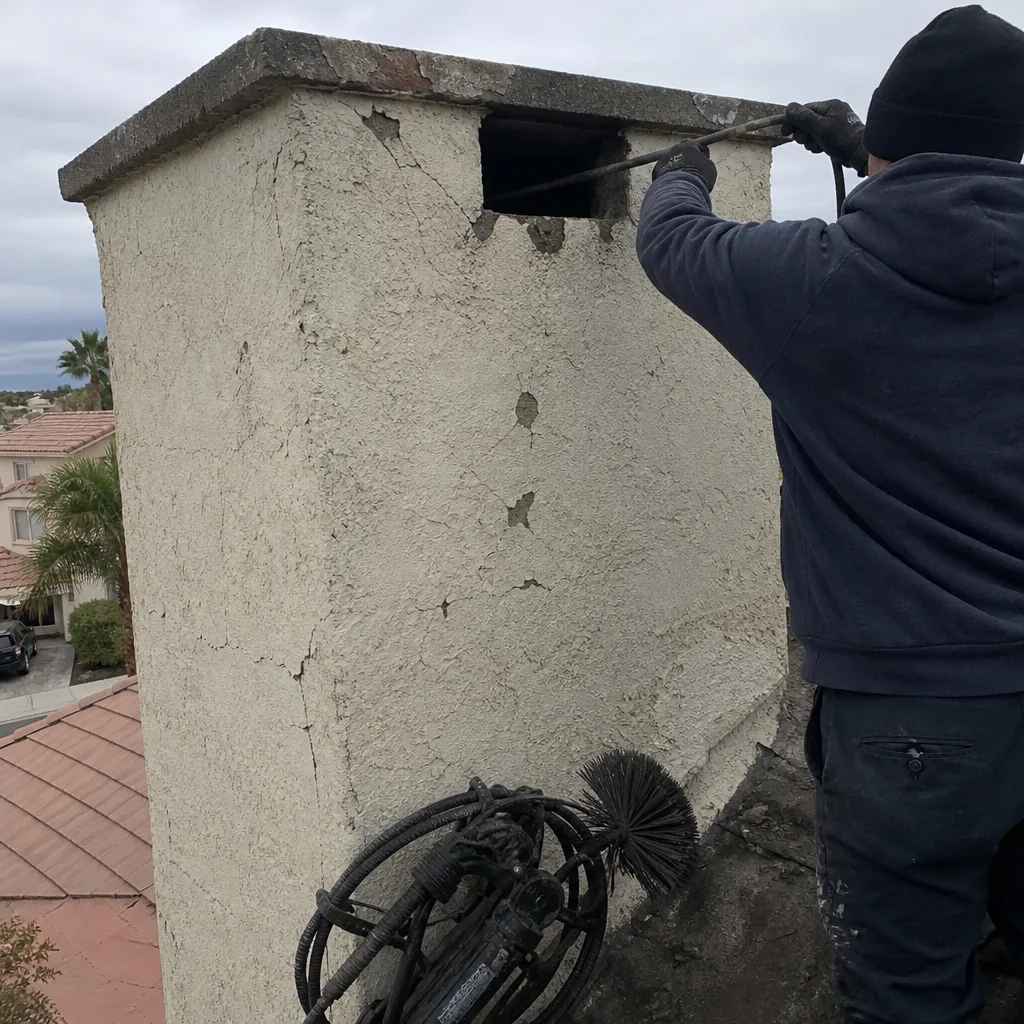 Before
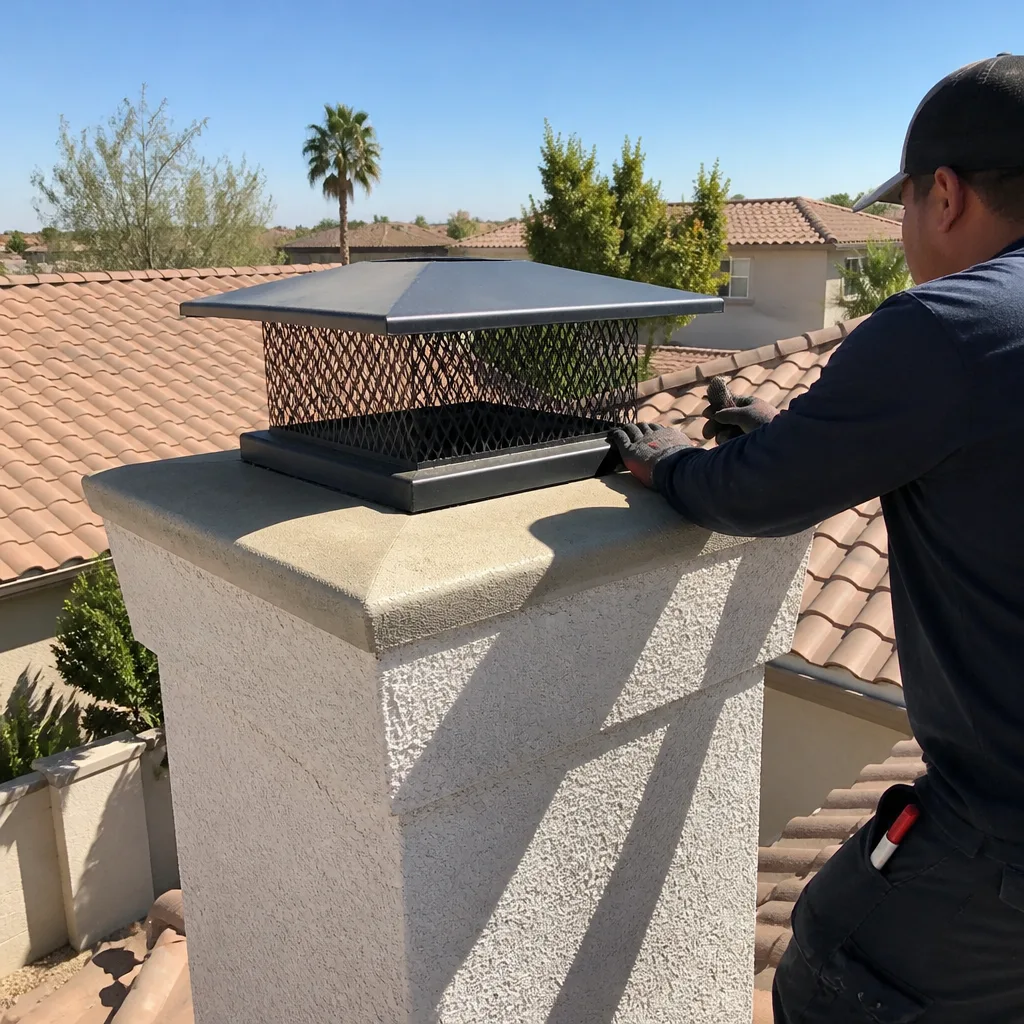 After
After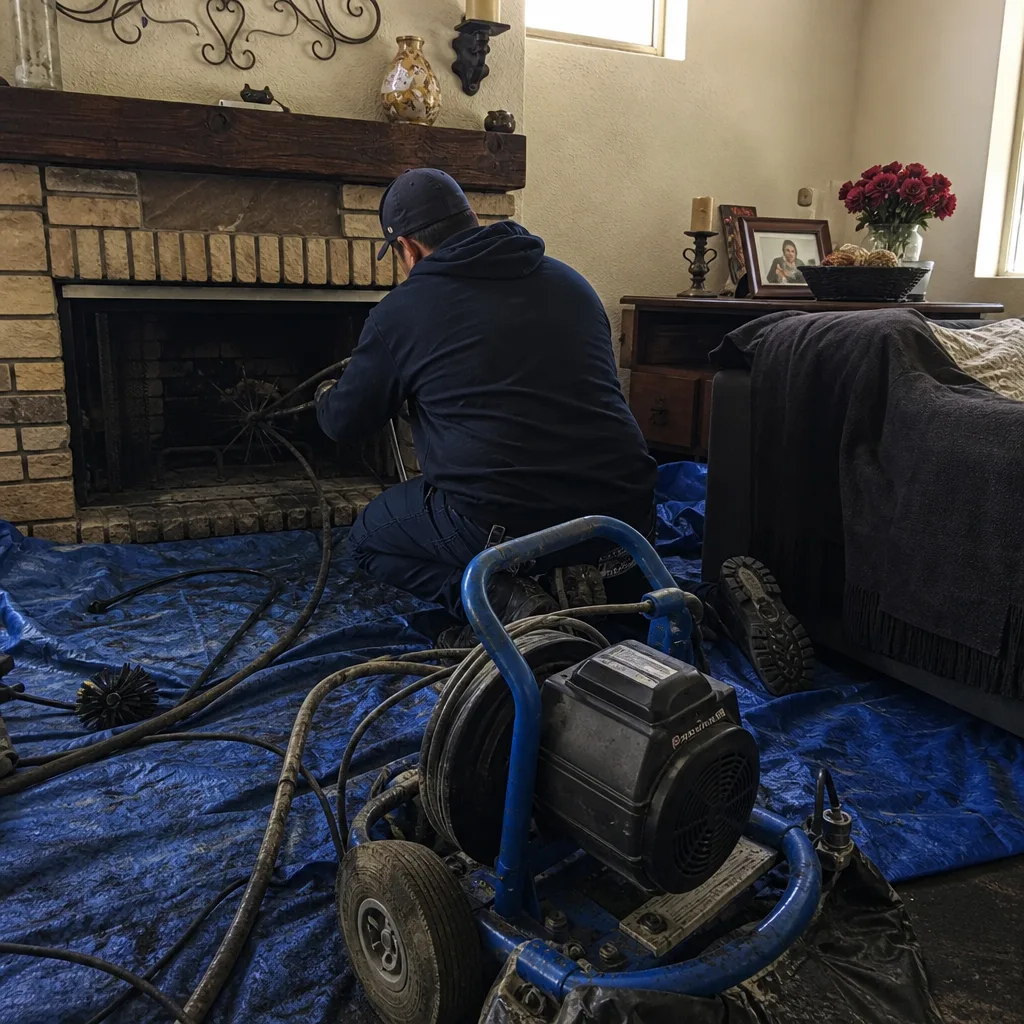 Before
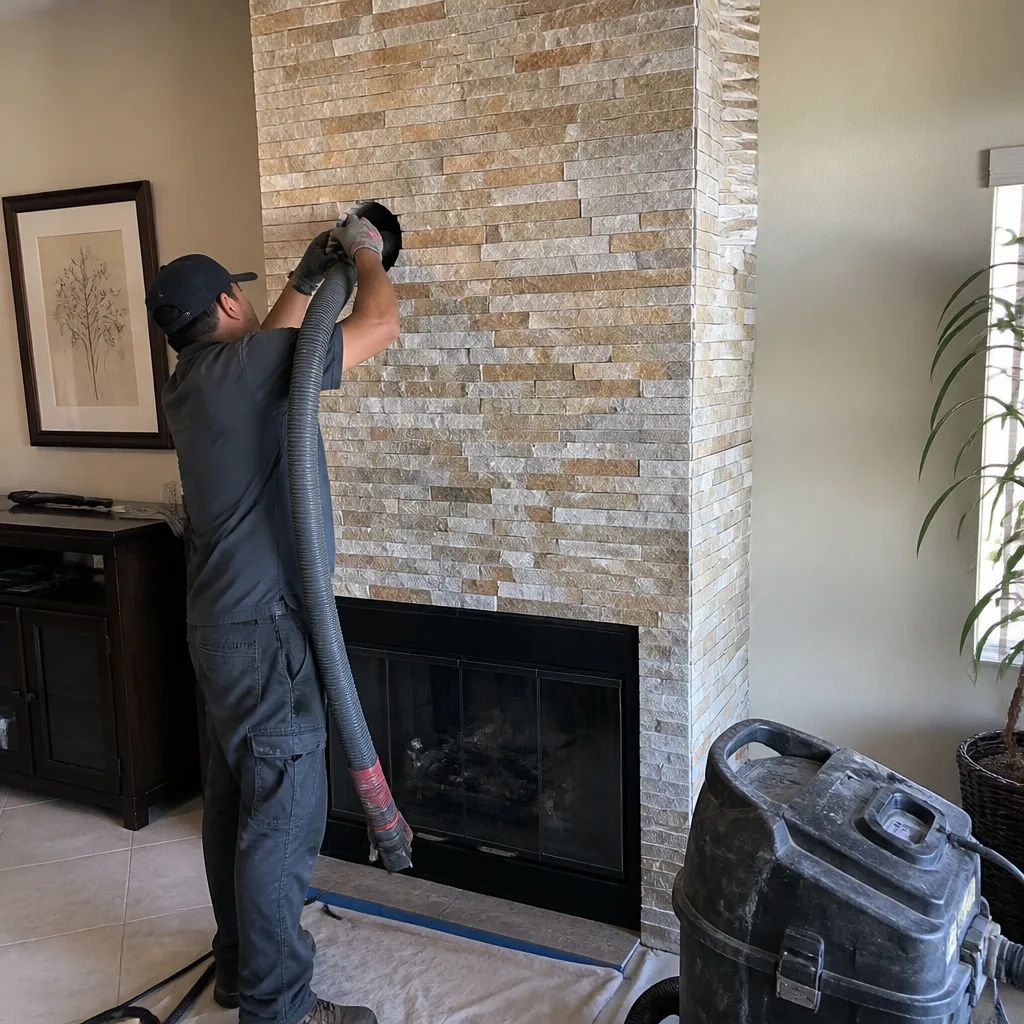 After
After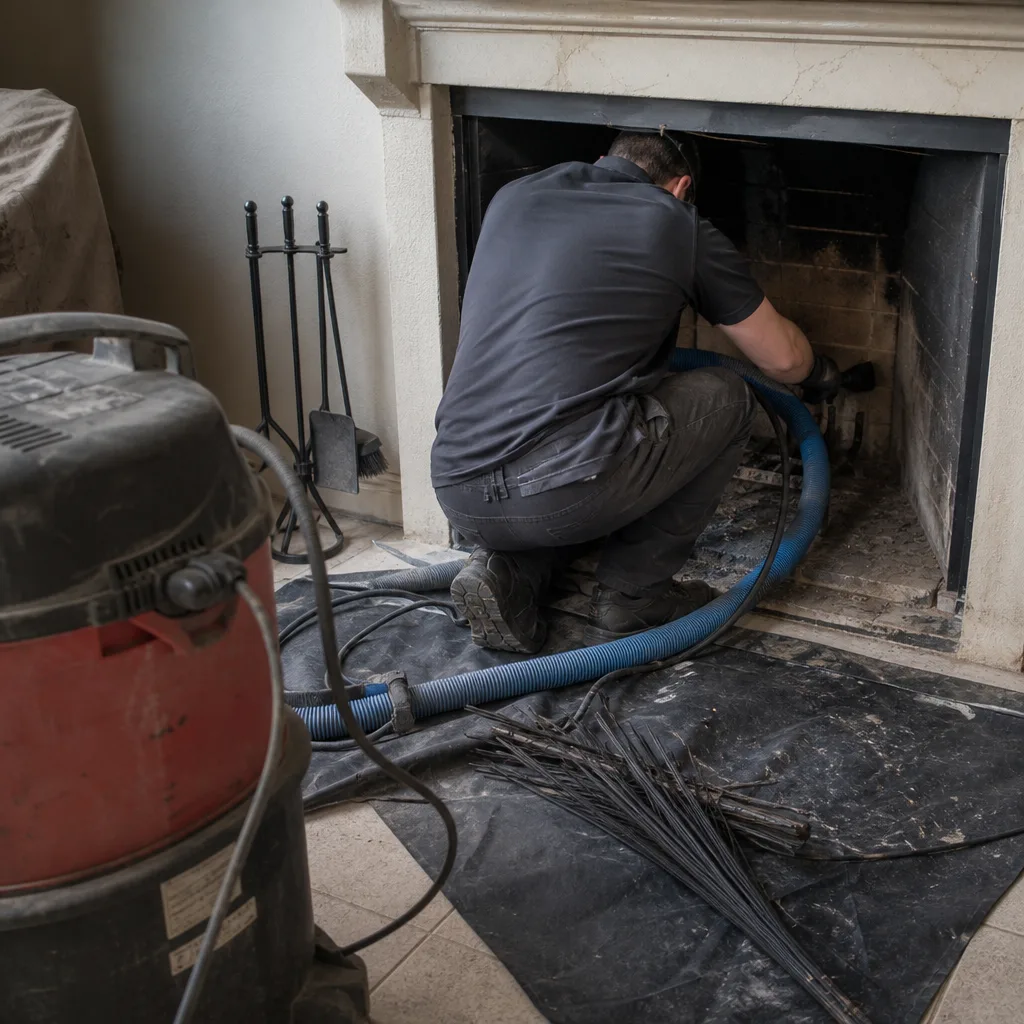 Before
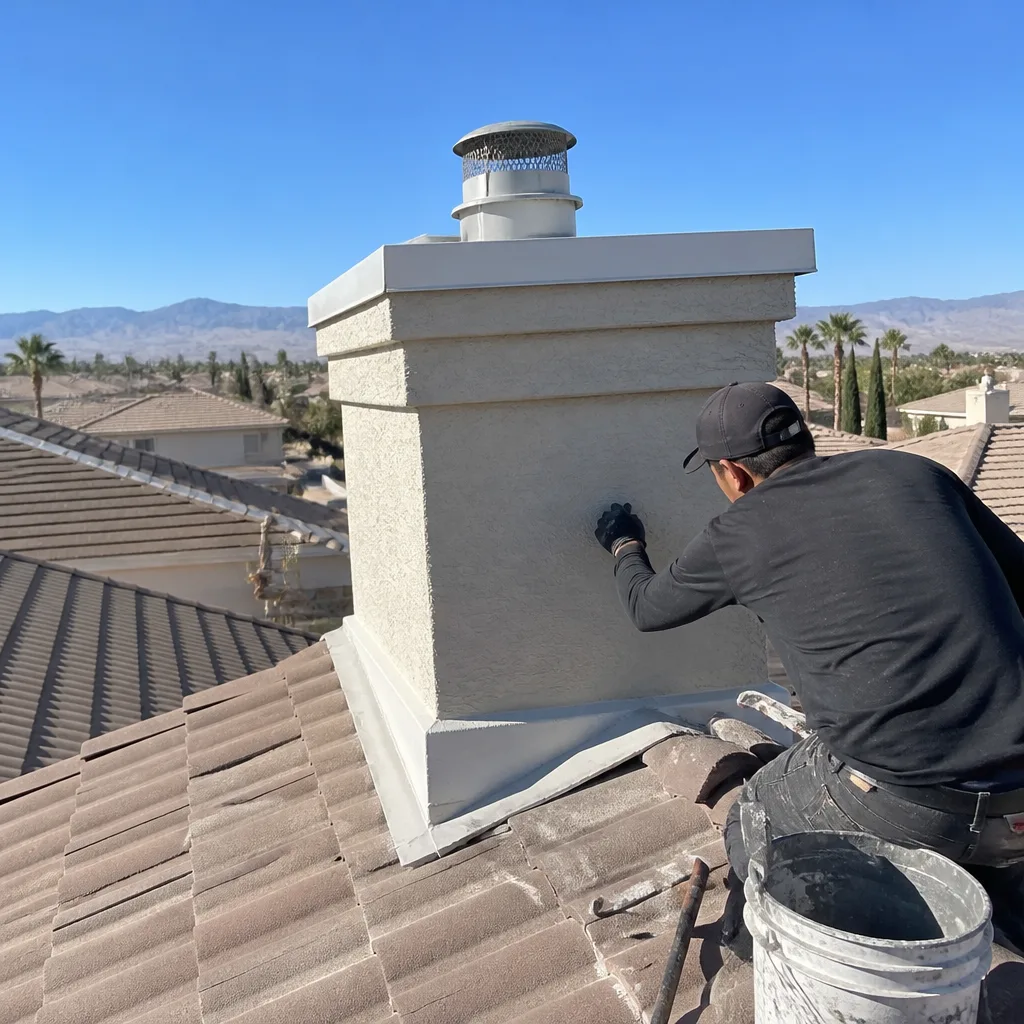 After
AfterWhen to Call a Professional
You should call a professional not when you notice a problem but before you decide there isn’t one. If you can’t remember the last time your chimney was cleaned, that’s the time. If you’re buying or selling a home with a fireplace, call before closing. If you see white staining on the exterior brick, hear debris falling into the firebox, or smell something musty near the hearth, call before burning season starts. If a previous repair was done and you can’t find documentation, call and have the work assessed. Ashby Chimney Las Vegas offers free estimates in Las Vegas. Call (725) 220-6109 and a live person answers, day or night. We’ll schedule a real arrival window, inspect everything, and hand you a written price before any work begins.
Frequently Asked Questions
No. Chimney cleaning is classified as routine maintenance under Clark County building code and does not require a permit or inspection. The same applies to a standard Level 1 chimney inspection. Permits enter the picture only when structural repairs or alterations are involved.
Liner replacement, firebox rebuilding, chimney crown replacement, smoke chamber parging, and any modification to the chimney chase or surrounding framing all require a permit under Clark County’s adopted building codes. When in doubt, search your address in the Clark County permit portal or call the building department directly.
The standard recommendation is once per year if you burn regularly, and before the first fire of the season if you burn rarely. In Las Vegas, where the burning season is shorter than in colder climates, an annual sweep before fall is still the smart move, because creosote hardens during the off-season and becomes harder to remove. The last thing you want is a chimney fire in January because last March’s creosote sat through summer.
The most direct answer is that you risk a chimney fire without knowing you’re at risk. Creosote builds up silently, liners crack without visible exterior signs, and chimney caps rust loose in desert winds. You skip the inspection and you might not know any of it until a fire starts or a home inspector flags it during a sale. The cost of an inspection is a fraction of the cost of a failed sale negotiation. Call (725) 220-6109 to schedule one in Las Vegas.
It’s not a Nevada law, but it’s increasingly required by home sale contracts and insurance carriers, especially for older homes with original masonry chimneys. Level 2 inspections include a video scan of the flue interior, which is the only way to see liner damage that’s invisible from the outside. If you’re selling, getting one done before you list puts you ahead of the buyer’s inspector.
Yes. Unpermitted work surfaces during buyer inspections and becomes a negotiation point. Sellers often pay a price reduction or a repair credit to close the deal. In some cases, unpermitted chimney work can also affect insurance claims if the insurer determines the work contributed to a loss. The cost of a permit is minimal compared to these downstream costs.
The Bottom Line
Chimney cleaning in Nevada is permit-exempt, and that’s where most homeowners stop thinking about permits altogether. The problem is that the inspection that accompanies a sweep often uncovers work that isn’t exempt, and the homeowner who didn’t know the difference ends up paying for it years later at the closing table. The short version: know which chimney repairs trigger permits, verify they were pulled, keep the paper trail, and don’t accept work without a written scope and a written guarantee. And if you’re in Las Vegas, start at Ashby Chimney Las Vegas home and work from there.
Written by Nathan Corliss, Owner at Ashby Chimney Las Vegas, serving Las Vegas since 2002.