
Last updated October 15, 2026
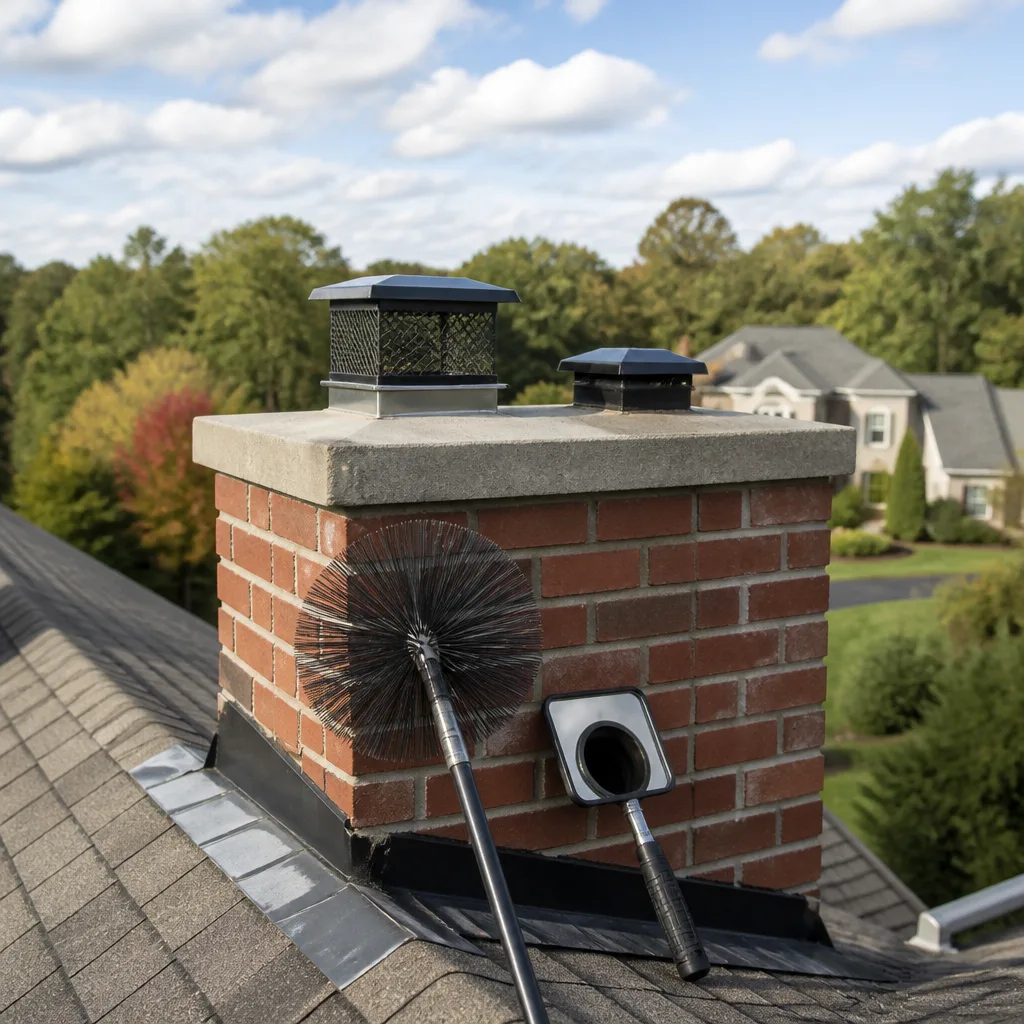 Sweep & inspection
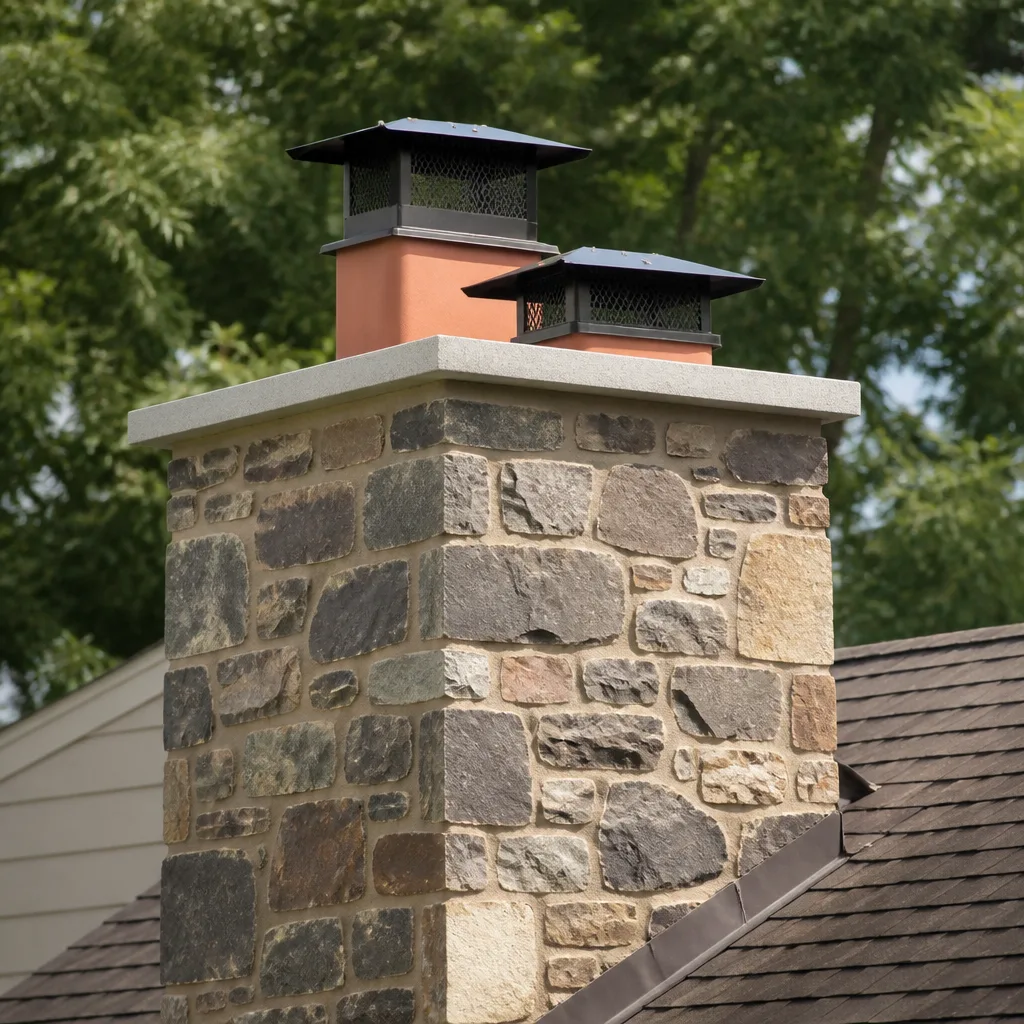 Caps & crowns
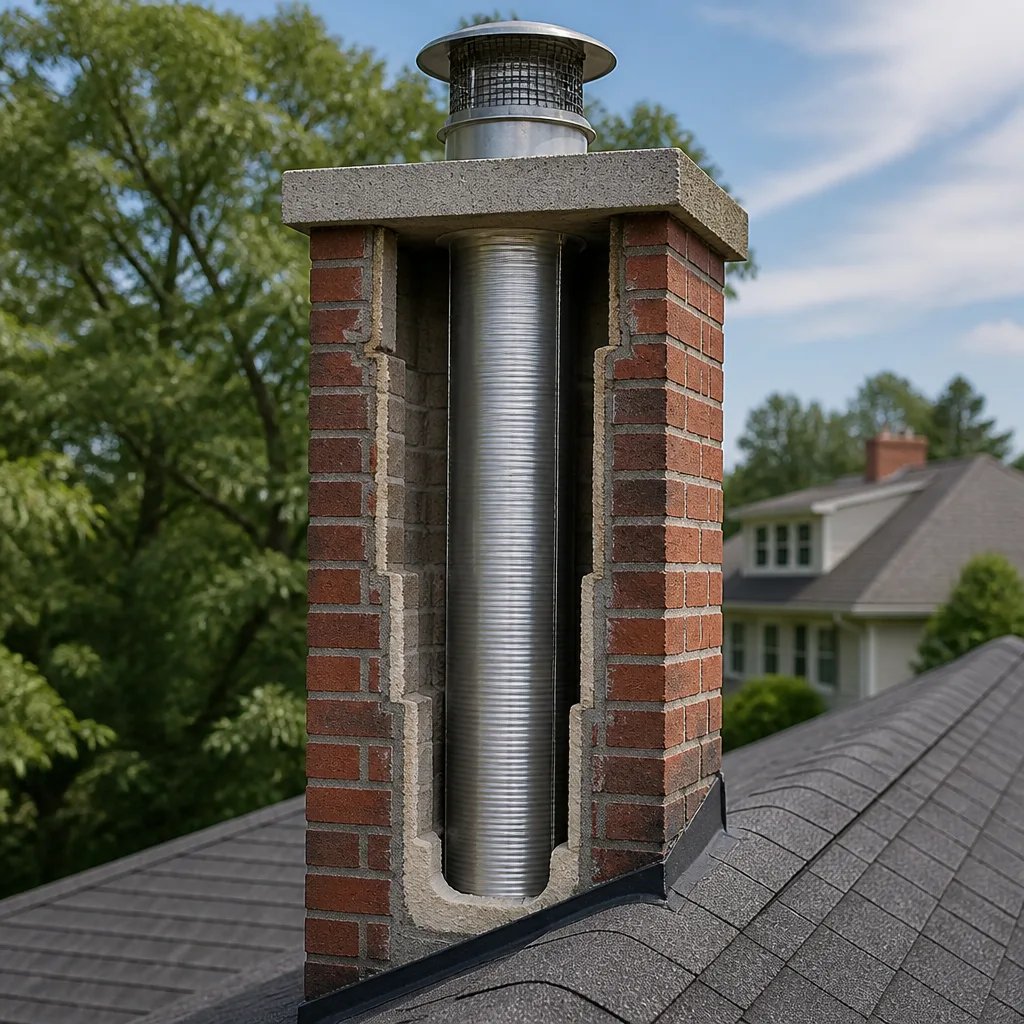 Flue relining
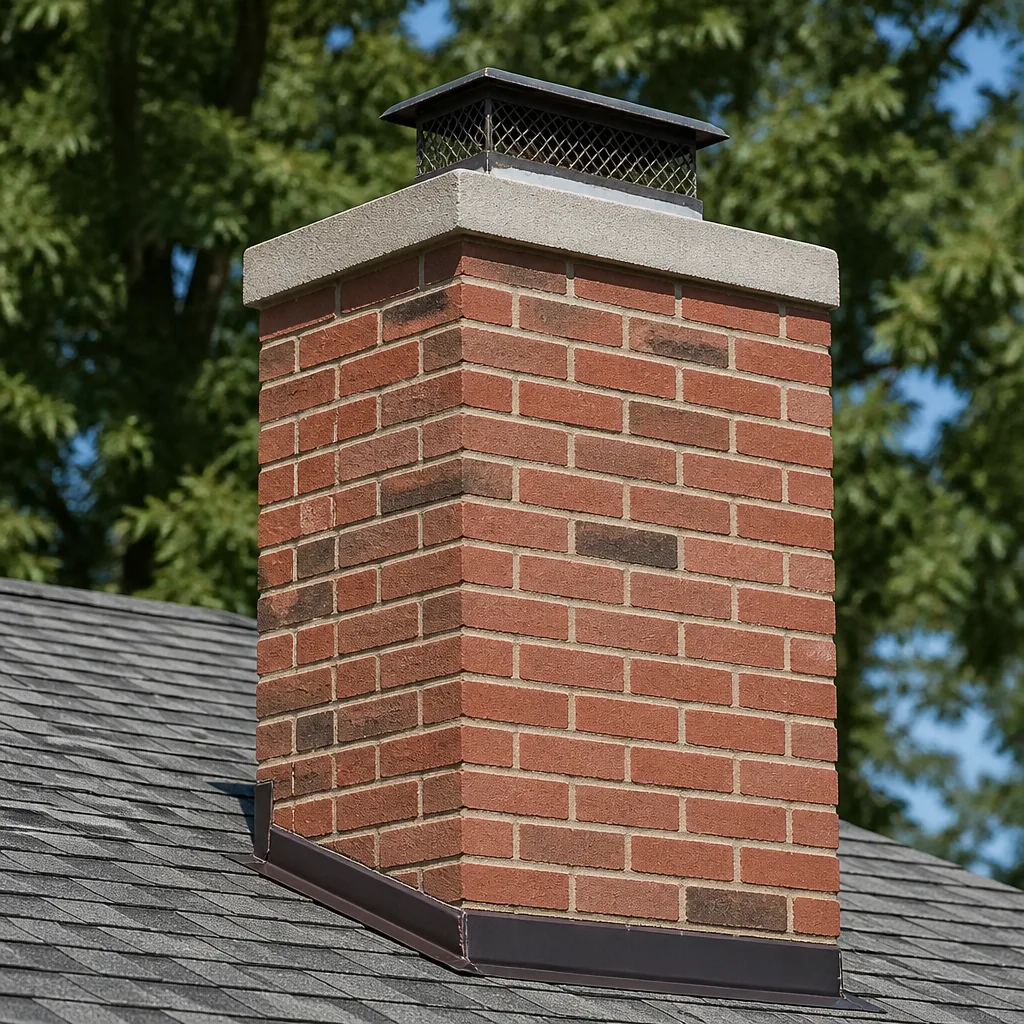 Masonry repair
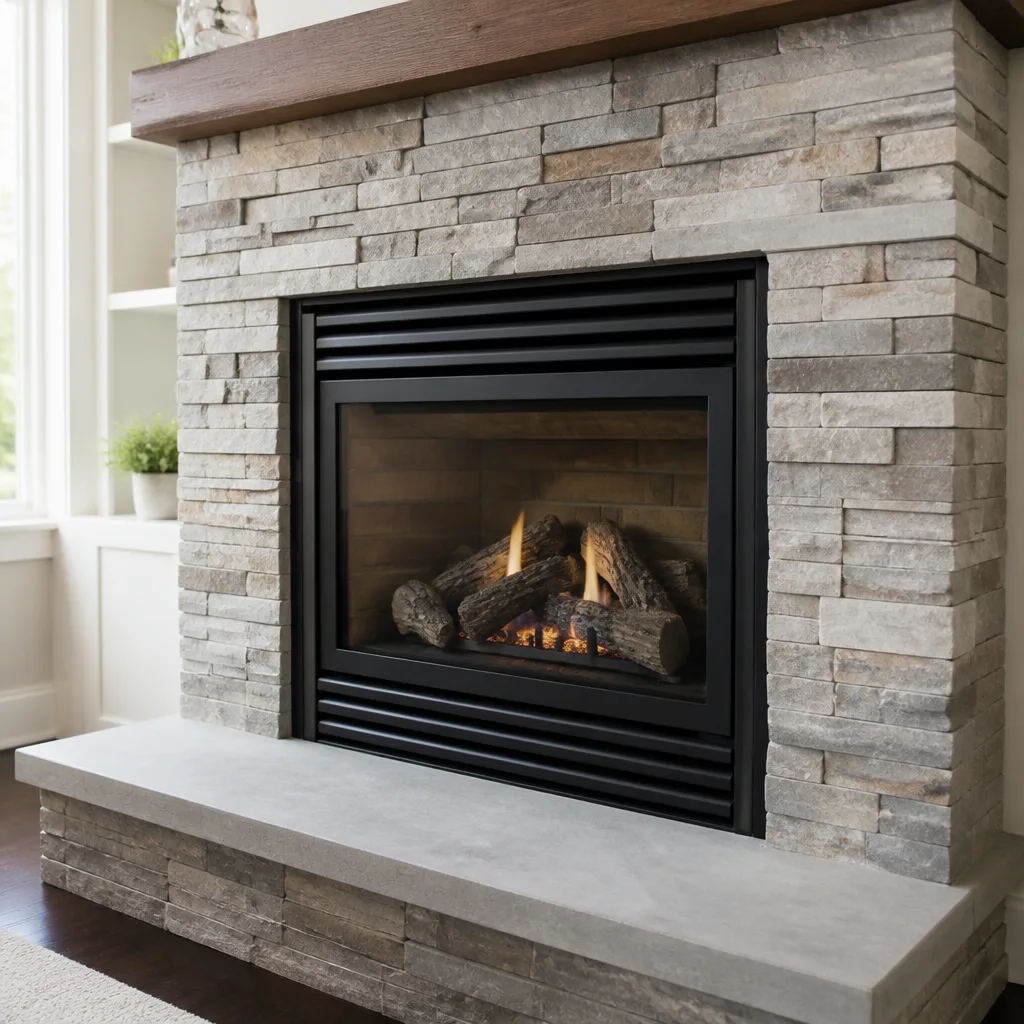 Gas fireplace service
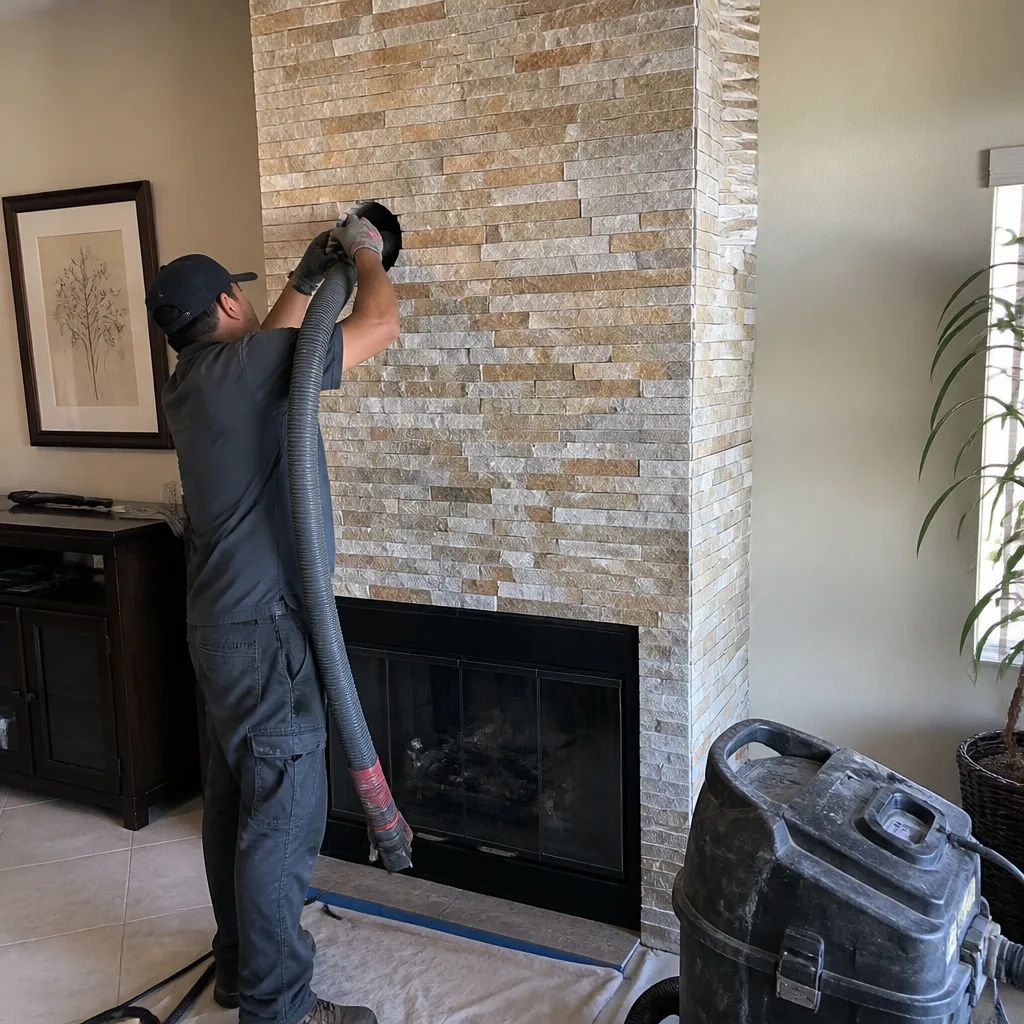
Level 1 sweep and inspection to the NFPA 211 annual standard - flue, crown, cap, and flashing checked and photographed
Chimney sweep logs do not sweep chimneys. They loosen some creosote - which then falls where a brush and vacuum still have to collect it.
Seasonal Chimney Cleaning Care for Las Vegas: Year-Round Homeowner’s Guide
The single worst time to schedule a chimney cleaning in Las Vegas is October. It’s also when roughly 60% of homeowners in the valley call for the first time, and the resulting backlog means some don’t get a technician out until December. This guide breaks the year into a simple rhythm so you’re never fighting for a slot the week you want to light the first fire, and you’ll find chimney cleaning warning signs every Las Vegas homeowner should know along the way. You’ll learn what to do each season, why late summer is your best scheduling window, how Las Vegas heat affects your chimney differently than cold-climate weather, and what to check after your last fire of the year. By the end, you’ll know more about seasonal chimney care in Las Vegas than most homeowners ever will.
Quick Answer
The best time to have your chimney cleaned and inspected in Las Vegas is August or September, before the fall rush and after monsoon season has exposed any damage. Schedule one professional cleaning and inspection per year if you burn fires regularly, and do a simple visual check after the last fire of the season. If you missed the pre-season window and want to burn now, the safe move is a quick professional inspection before you light anything, not after.
Styles & brands we work with
Table of Contents
- The Las Vegas Chimney Calendar: What to Do Every Month
- Why Las Vegas Summer Heat Matters for Your Chimney
- The August – September Window: Why It’s the Best Time to Schedule
- Missed the Pre-Season Window? What to Do Before You Light a Fire
- The One Post-Season Task Most Las Vegas Homeowners Skip
- Monsoon Season and Your Chimney: What the Storms Leave Behind
- DIY Checks You Can Do Safely Year-Round
- Switching Between Wood and Gas: Seasonal Considerations
The Las Vegas Chimney Calendar: What to Do Every Month
Las Vegas has one real fireplace season, roughly October through March, and a long dead season from April through September when most fireplaces sit unused. That split shapes everything about how you should care for your chimney. Here’s the month-by-month rhythm that works for this climate.
A quick note before the calendar: this assumes you have a wood-burning fireplace or a gas fireplace with a real chimney flue. If you have a direct-vent gas fireplace that exhausts through an exterior wall, the maintenance picture is simpler, but an annual inspection still catches vent blockage and bird nests before they become problems.
- January – February: Peak burning months. If you’re using your fireplace regularly, keep an eye on soot buildup. A thin layer is normal. Thick, flaky, or shiny buildup (glazed creosote) means it’s time for a sweep. Also check that your damper opens and closes smoothly when the fireplace is cold.
- March: The tail end of burning season. After your last fire of the year, do the post-season check described later in this guide. This is the single most skipped task and the one that prevents the most common spring call we get.
- April – May: The quiet season begins. This is a good time to address any cosmetic masonry work, because temperatures are mild and mortar cures well. It’s also when you’re most likely to get a quick appointment if you skipped the post-season check.
- June: Early summer heat arrives. Your chimney is now being exposed to daily temperature swings that stress mortar joints. No action needed from you beyond watching for new cracks during your routine yard work.
- July – August: Monsoon season. This is when water intrusion problems show themselves: water stains on the ceiling near the chimney, damp smells from the firebox, or efflorescence (white chalky residue) on exterior brick. Schedule your annual chimney sweep in Las Vegas during this window if you haven’t already.
- September: The best month of the year for chimney work in Las Vegas. Weather is mild, ash is dry and easy to remove, and technicians have full availability. If you do one thing from this guide, schedule in September.
- October: First-fire month. If you scheduled in September, you’re ready. If not, expect to wait. The phones at every chimney company in town light up the same week the nighttime temperature drops below 60.
- November – December: Peak demand. If you haven’t had your chimney inspected yet this year, call anyway. A December inspection is better than no inspection, and sometimes you can get a cancellation slot.
If remembering a monthly schedule feels like too much, the compressed version is this: burn safely from October to March, inspect in late summer, and check for water damage after the monsoons.
Why Las Vegas Summer Heat Matters for Your Chimney
Most chimney advice online is written by and for people in cold climates. That advice talks about freeze-thaw cycles, ice dams, and snow load. It has almost nothing to do with what happens to a chimney in Las Vegas, where the real enemy isn’t ice. It’s heat, UV exposure, and rapid temperature swings.
Here’s what actually happens to a brick chimney in the Mojave. Daytime summer temperatures regularly exceed 105 degrees. The exterior surface of a dark brick or stone chimney can reach 140 degrees or more in direct sun. At night, the temperature drops 30 to 40 degrees. That daily thermal cycle causes the brick and mortar to expand and contract. Brick and mortar expand at slightly different rates, so over years of these cycles, the bond between them weakens. Hairline cracks form. Those cracks widen. Eventually the mortar joint fails enough that water penetrates during monsoon storms.
UV degradation is a second factor. The intense desert sun breaks down chimney crowns, the concrete slab that covers the top of the chimney. Crowns in Las Vegas crack faster than crowns in almost any other climate in the country, and once a crown is cracked, rainwater gets into the chimney structure itself.
What this means for your annual chimney inspection in Las Vegas is that the scope should be wider than a simple flue cleaning. The inspection should include:
- Mortar joint inspection, especially on the sun-facing side (south and west exposures).
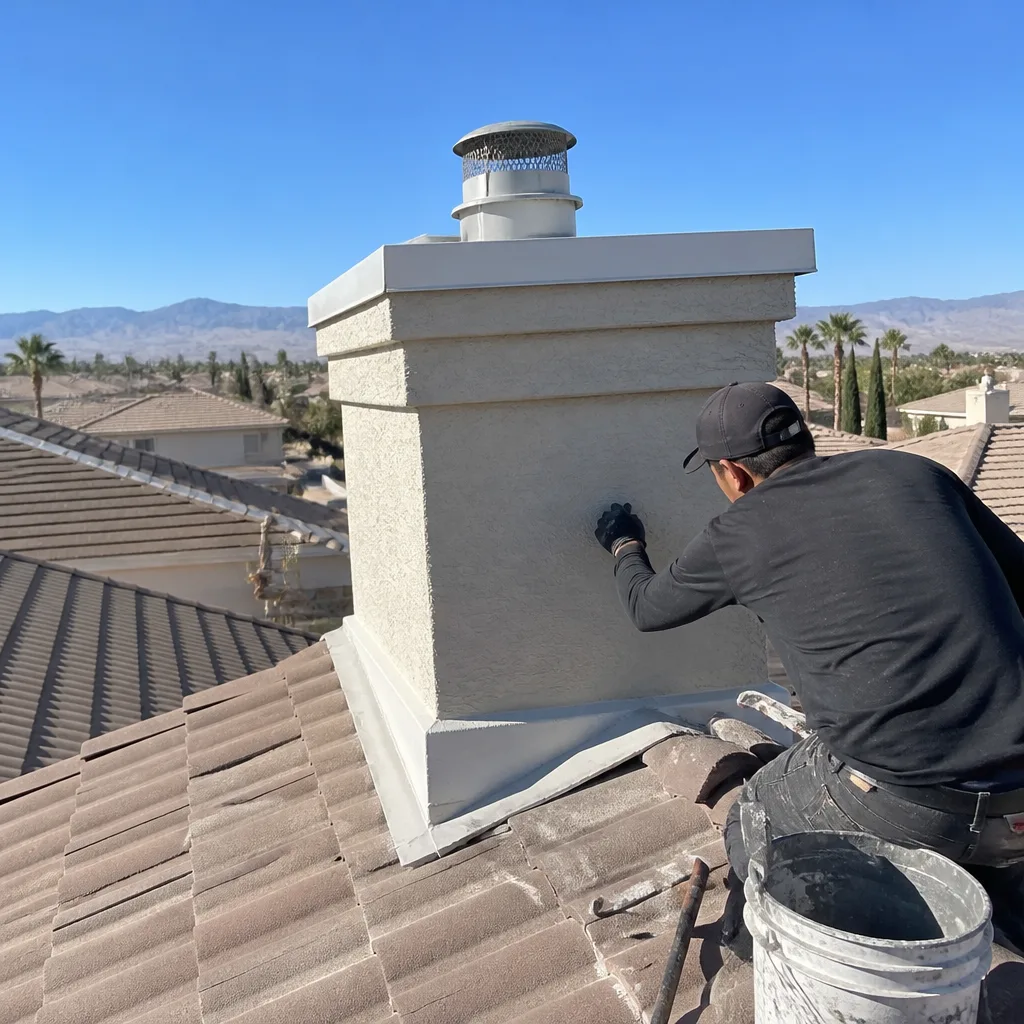
- Crown condition assessment with a close look for hairline cracks.
- Flashing inspection where the chimney meets the roofline, a prime entry point for monsoon water.
- Interior flue inspection for any spalling, which is when the inner surface of brick or clay flue tiles flakes off due to heat stress.
In our experience serving Las Vegas since 2002, we see more weather-related chimney damage from heat and monsoon rain than from anything fireplace use itself causes. That makes the annual inspection more important here, not less, even if you only burn a few fires a year, and you’ll want to understand chimney cleaning permits, codes & inspections in NV before scheduling.
The August – September Window: Why It’s the Best Time to Schedule
If you only remember one thing from this guide, make it this: schedule your annual chimney cleaning and inspection in August or September. Here’s why that window matters in Las Vegas specifically.
First, availability. Chimney companies in Las Vegas are not busy in late summer. Technicians have open calendars, which means you get your pick of appointment times, and the technician is not rushing to the next job. That translates directly into a more thorough inspection and a cleaner work area.
Second, pricing. Some chimney companies offer lower pricing in the off-season because crews need the work. That’s not universally true, but it’s common enough that a late-summer call often saves you money over an October or November call. Even when the price is the same, you’re getting better service for it.
Third, and most importantly, timing. Monsoon season runs from July through September. Scheduling in August or September means your chimney gets inspected after the storms have had a chance to expose any water damage. If the monsoon cracked your crown or shifted your flashing, you want to know about it and fix it before October, not discover it in December when you’re trying to light a fire and wondering why the firebox smells like a wet basement.
Fourth, the work itself goes more smoothly. Ash and creosote are dry and loose after a long desert summer. They’re easier to remove cleanly. In November, the creosote from previous burns has had less time to bake in the heat, and some jobs just take longer.
We tell our customers in Las Vegas the same thing every year: call in August, and you’ll be lit and warm by Halloween. Call in October, and you’ll be checking the weather forecast hoping December isn’t too cold. The choice is yours.
Missed the Pre-Season Window? What to Do Before You Light a Fire
Okay, it’s October 15th. Or November 3rd. You’re reading this because you didn’t schedule in August, and now you want to light a fire tonight. What’s the honest assessment?
First, the question isn’t “is my chimney dirty?” The question is “is it safe to light a fire in there?” Those are different questions. An unswept chimney that has been burning a season or two of fires might have enough creosote buildup to be a genuine fire hazard. Or it might be perfectly safe. You can’t know from the living room.
Here’s what you can check right now, safely, without getting on the roof:
- Open the damper and look up the flue with a flashlight. If you see thick, flaky black buildup that’s more than about a quarter inch thick, or shiny, tar-like glaze anywhere, don’t light a fire until it’s been swept.
- Look for water stains or dampness in the firebox. If the firebox smells musty or you see white chalky stains on the firebrick, water is getting in. Don’t burn until it’s inspected; water-damaged flues can lose structural integrity.
- Check for animal activity. Look for nesting material, droppings, or dry grass. Birds and rodents love chimneys in the off-season. A nest above your damper is a fire hazard every time.
- Look for any visible cracks in the firebrick or gaps in the mortar joints inside the firebox. Small cracks are usually cosmetic. Gaps where a whole brick is loose are structural.
If everything looks clean and dry and you’ve had the chimney professionally inspected within the last two years and haven’t burned much since, a single fire before your inspection is probably fine. If any of the checks above turned up something, if it’s been more than two years, or if you just bought the house and don’t know the chimney’s history, the truthful answer is: call before you light.
Our position at Ashby Chimney Las Vegas is simple. We’d rather talk you out of a dangerous fire than sweep up after one. We give every homeowner in Las Vegas an honest answer over the phone about whether your situation sounds burn-ready or wait-ready. And if you need us out, we’ll get there as fast as our calendar allows, which in October means call today, not next week.
The One Post-Season Task Most Las Vegas Homeowners Skip
Every March, our phone rings with the same call: a homeowner lit a fire in December or January, everything was fine, and now in March they’re noticing a smell. The chimney smells like a barbecue that never got cleaned. Or the firebox has a greasy film on the glass doors. Or the wall above the mantel has a faint yellow-brown stain that wasn’t there in January.
What all these calls have in common: the homeowner never did anything after their last fire of the season. They let the fireplace sit with a season’s worth of creosote and ash in it through the spring and into the summer.
Here’s the mechanic you need to understand. Creosote is acidic. When it sits in a flue through a Las Vegas spring and summer, it bakes in the heat and the acids eat into the flue liner. A chimney that was borderline fine in March can be noticeably degraded by August. The same thing happens in the firebox: old ash traps moisture, which accelerates deterioration of the firebrick.
The post-season task most people skip is simple: after your last fire of the year, wait 24 hours for everything to cool completely, then close the damper and schedule your sweep. Not in October. Now, in March or April, while the creosote is fresh and easy to remove.
If you burn more than a cord of wood a season, or if you notice more than a thin layer of soot when you shine a light up the flue, schedule the sweep in spring and then you’re done for the year. You can light fires again in October with zero day-of stress, because your chimney has been clean for six months waiting for you.
This is the rhythm we recommend to every customer in Las Vegas who burns regularly: sweep in spring, inspect in late summer if you had any monsoon concerns, burn freely through the fall and winter. It flips the standard advice on its head, but it works for this climate, and it means October 15th is just another Tuesday at your house instead of a scramble.
Monsoon Season and Your Chimney: What the Storms Leave Behind
Las Vegas gets, on average, about four inches of rain a year. Nearly all of it falls between July and September, often in short violent bursts. A single monsoon storm can drop half an inch of rain in 30 minutes, with wind gusts strong enough to tear branches off mesquite trees and launch patio furniture across the yard. Your chimney takes the brunt of it.
The three most common monsoon damage patterns we see in Las Vegas are:
- Crown cracking and water entry. A hairline crack in a chimney crown that has been stable all year opens wider when monsoon rain hammers it. Water seeps into the chimney structure and either into the flue or, worse, into the chimney chase, where it soaks into wood framing and drywall.
- Flashing separation. High winds and driving rain expose weaknesses in the flashing where the chimney meets the roof. Once water gets under flashing, it follows the roof deck down and can show up as a ceiling stain far from the chimney itself.
- Mortar washout. Older mortar joints that have been softened by years of heat stress can literally wash out during a heavy storm. You’ll see sandy grit on the roof near the chimney and a fresh hollowed-out look to some joints.
What should you do after a big monsoon storm? Two things. First, look up at your chimney from the ground. Do you see any new cracks, missing mortar, or shifted bricks? Second, go inside and look at the ceiling near the chimney and around the firebox. Any new stains, peeling paint, or musty smells mean water got in somewhere.
If you catch monsoon damage in August or September, the fix is usually quick and inexpensive. If you don’t catch it until December, you’re now looking at water damage that has had months to soak into wood framing and drywall. The repair bill goes up, and the fix no longer counts as preventive maintenance. It’s a repair.
In our experience as a fireplace repair company serving Las Vegas, monsoon-related water damage is the most common avoidable expense in the whole chimney world. A $25 crown seal in September beats an $800 flashing repair in January, every time.
DIY Checks You Can Do Safely Year-Round
You don’t need to be on the roof to keep an eye on your chimney. Here’s what you can do yourself, safely, from the ground or from inside, each season.
From the ground, once a month:
- Walk to where you have a clear view of the chimney and look at the overall shape. Chimneys should be straight and plumb. A leaning chimney is a structural problem that needs a pro immediately.
- Look at the mortar joints. If they look like they’re eroding in some places and fine in others, note where. That’s a sign of water exposure on that face.
- Look at the cap and crown. A missing or damaged cap means rain is going directly down the flue. A cracked crown means rain is going into the brick.
From inside the firebox, before and after the burning season:
- Open the damper and shine a flashlight up. If the flue walls look shiny, glazed, or more than paper-thin coated with black material, you need a sweep.
- Look at the firebrick. Hairline cracks are usually fine. Brick that is crumbling, flaking, or pulling away from the wall is not.
- Tap a few bricks gently with a knuckle. A dull thud means the brick is sound. A hollow ring means the brick has detached from the mortar bed behind it.
What not to do: don’t get on the roof unless you’re experienced and have proper fall protection. Falls from roofs injure more homeowners every year than chimney fires do. If you need a roof-level look, that’s part of what a professional chimney inspection includes, and it’s covered in the price.
Switching Between Wood and Gas: Seasonal Considerations
Plenty of Las Vegas homes have a gas fireplace as a primary or backup heat source. Some have gas logs in a traditional wood-burning firebox. Some have a freestanding gas stove vented through a chimney. And some homeowners swap gas logs in for the season and take them out in spring.
Gas fireplaces still need annual service. The idea that gas is clean and maintenance-free is partly a myth. What actually happens is that gas logs produce water vapor as a combustion byproduct, and that water vapor is slightly acidic. Over time, it can corrode dampers, deteriorate firebrick, and even damage flue liners. The soot from gas logs is different from wood creosote but it still needs to be cleaned off the logs and out of the firebox each year.
If you’re switching from wood to gas logs, or vice versa, the seasonal timing matters. Converting a wood-burning fireplace to gas should be done in the off-season when you don’t need either heat source for months, and it should include a full inspection of the chimney to make sure it’s suitable for gas venting. Not every wood chimney is sized correctly for gas, and the venting requirements are surprisingly specific.
If you’re already set up with gas and want to be ready for October, the same late-summer scheduling advice applies. Schedule the annual service in August or September and have the tech clean the logs, check the gas connections, verify the vent is clear, and make sure the damper is properly clamped so it can’t accidentally close and trap combustion gases in the house.
One more note on gas in Las Vegas. Carbon monoxide risk from gas fireplaces is real, and it’s silent. If you have a gas fireplace and you don’t have a functioning CO detector in the same room, that’s the first thing to fix, before you schedule any chimney work.
Why Materials Matter for Las Vegas Chimney Repairs
When a repair is needed, the quality of the materials matters as much as the skill of the technician. That’s especially true in Las Vegas, where the heat and UV exposure test materials harder than almost anywhere else in the country.
Here’s what we use and why:
- DuraFlex liners for flue relining. A stainless steel liner has to handle temperatures up to 1000 degrees during a chimney fire without failing, and DuraFlex is engineered exactly for that. It also carries the UL listing that your homeowners insurance expects to see.
- HeatShield for restoring damaged clay flue tiles without a full reline. It’s a cementitious coating applied inside the existing flue that seals cracks and restores the flue’s structural integrity. It was developed specifically for repairing flues that have the kind of heat and water damage we see in desert climates.
- Olympia Chimney and Famco for caps, dampers, and flashing components. These are the brands that professional chimney companies stock, not the thin stamped parts you see at big-box stores.
- Copperfield products for hardware and chimney-top components. Copperfield makes the professional-grade pieces that hold up to years of Las Vegas sun without oxidation failures.
There’s a reason we mention brands by name. When a Las Vegas homeowner tells us they had a liner installed six years ago and it’s failing, the first question we ask is what material went in. Thin aluminum liner from a box store in a high-heat wood chimney will fail, and it will fail fast. The right material costs more up front and lasts decades in this climate.
Common Mistakes to Avoid
- Waiting until the first cold snap to call. Every chimney company in Las Vegas is booked out for weeks by mid-October. You’ll either wait or pay rush pricing.
- Assuming gas fireplaces don’t need service. Gas logs still produce acidic condensation that corrodes dampers and firebrick. Annual service matters for gas too.
- Treating monsoon season as a non-event for your chimney. A hard rain exposes cracks that have been silently developing all summer. Check after the big storms.
- Closing the damper immediately after the last fire. Wood smoke is acidic and moisture-rich. Letting the fireplace breathe for 24 hours after the final fire before closing the damper reduces the musty smell come fall.
- Painting the chimney to “protect” it. Paint traps moisture inside the brick and makes water damage worse in the long run. If you want to protect exterior brick, use a professional water repellent designed for masonry, not paint.
- Using the fireplace as an ashtray or trash burner. Wrapping paper, cardboard, and pizza boxes don’t burn like firewood. They create fast, hot, unpredictable fires that can send flames up into a dirty flue.
- Skipping the annual inspection because “we only use it a few times a year.” The damage most likely to cause a chimney fire accumulates during the off-season, not during use. Water and animals don’t care how many fires you burned last winter.
When to Call a Professional
Call a professional if you see thick creosote buildup when you shine a light up the flue, if you smell a strong smoky or damp odor from the firebox when it’s not in use, if you see water stains on the ceiling near the chimney, if you see cracked or crumbling mortar on the exterior chimney, if you’ve had a chimney fire even a small one, or if you just bought a home and have no records of when the chimney was last inspected. None of these are DIY situations.
Ashby Chimney Las Vegas offers free estimates throughout Las Vegas and the surrounding valley communities, call (725) 220-6109 and a live person will answer, any time of day. We’ll give you a written price before any work starts, and every repair comes with a written guarantee. If a covered repair fails inside the guarantee period, we come back at no charge. That’s the Kingswell Guarantee, and it’s in writing every time.
Frequently Asked Questions
Once a year if you burn regularly, even in Las Vegas where the burning season is short. The cleaning should happen in spring or late summer, not during burning season. If you burn less than a cord of wood per year and had a clean inspection the year before, every two years can be sufficient, but we recommend an annual look either way. Call (725) 220-6109 before you decide to skip a year.
September is the single best month for a chimney cleaning in Las Vegas. Monsoon season is wrapping up so any storm damage is visible, the weather is mild for the technicians, and the fall rush hasn’t started yet. August is nearly as good. October is the worst month to try to book anything.
In the Las Vegas valley, a standard chimney sweep and basic inspection most commonly runs in the $180 to $300 range, though the final number depends on the condition of the chimney, how long it’s been since the last sweep, and whether any repairs are identified. Ashby Chimney Las Vegas gives every homeowner a written price before any work starts, so the number you’re quoted at the door is the number on the invoice. Call (725) 220-6109 for your exact quote.
Shine a flashlight up the flue with the damper open and look for thick flaky black buildup, shiny glazed creosote, nesting material, or water stains in the firebox. If any of those are present, don’t burn until it’s been professionally inspected. If the flue looks clean and dry and was inspected within the last two years, a single fire is likely safe. The truth is that a visual check from inside can’t see everything, so when in doubt, call before you light.
The most common causes are a cracked chimney crown, failed flashing where the chimney meets the roof, or compromised mortar joints that have been weakened by summer heat cycling and then wash out in monsoon rain. All three conditions can be caught before they worsen with a late-summer inspection. The longer water intrusion goes unaddressed, the more expensive the eventual repair.
Yes. Gas log sets produce acidic condensation that corrodes dampers and deteriorates firebrick over time, and the logs themselves collect a fine soot film that should be cleaned annually. Annual service visits should also include a check of the gas connections and a carbon monoxide test. If you use your gas fireplace regularly, budget for yearly service just as you would with a wood burner. Call (725) 220-6109 to schedule, and get the exact price before any work begins.
The Bottom Line
The homeowners who never scramble in October are the ones who put their chimney on the calendar in spring and late summer. One sweep a year, one inspection before burning season, a ground-level glance after each monsoon, and 24 hours of air before the damper closes on the season. That’s the whole system for Las Vegas. It’s not complicated, and it costs less than one month of mortgage payments, and it means the fireplace is ready when the first cold night comes. Ashby Chimney Las Vegas has been serving the valley since 2002, and we stand behind every job with a written price, a written guarantee, and the Kingswell Guarantee’s 365-Day Done Right Promise. Call (725) 220-6109 and we’ll get you on the calendar before October does.
Written by Nathan Corliss, Owner at Ashby Chimney Las Vegas, serving Las Vegas since 2002.
See the difference
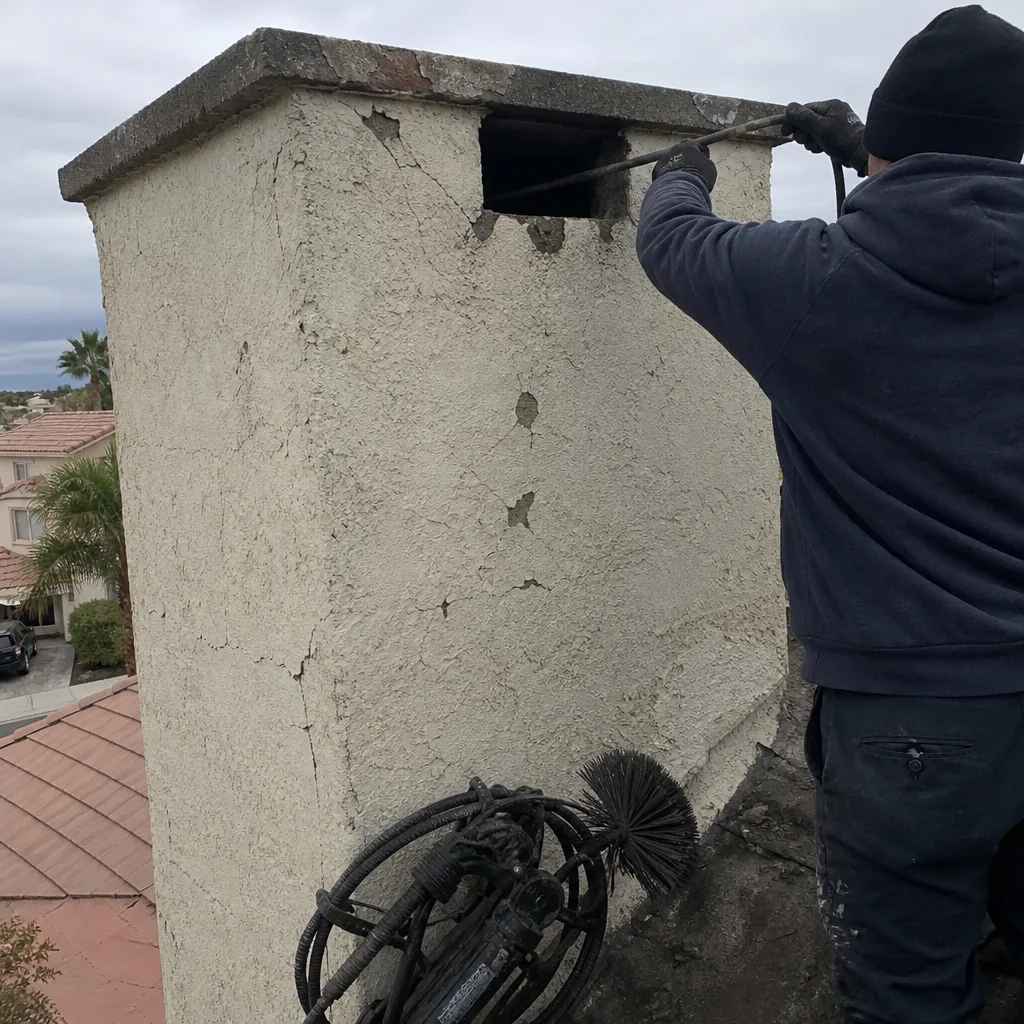 Before
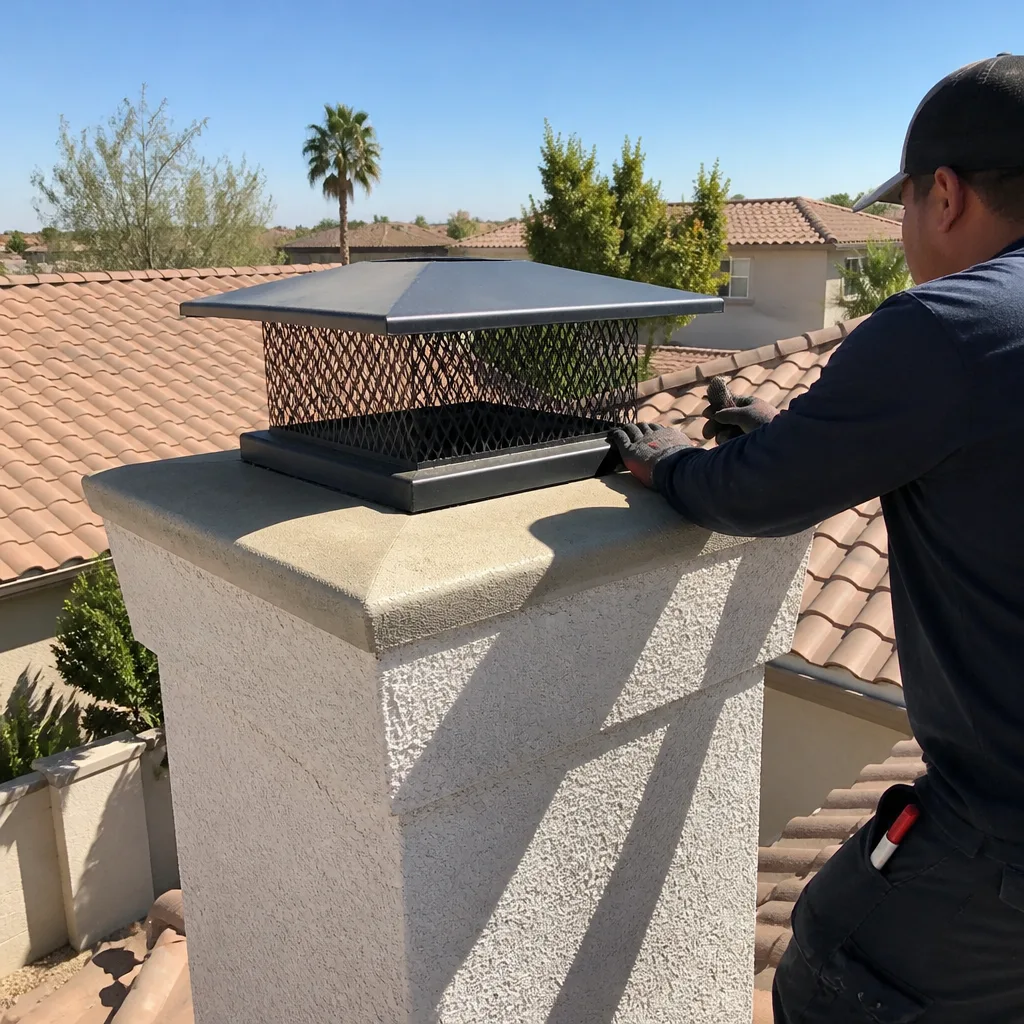 After
After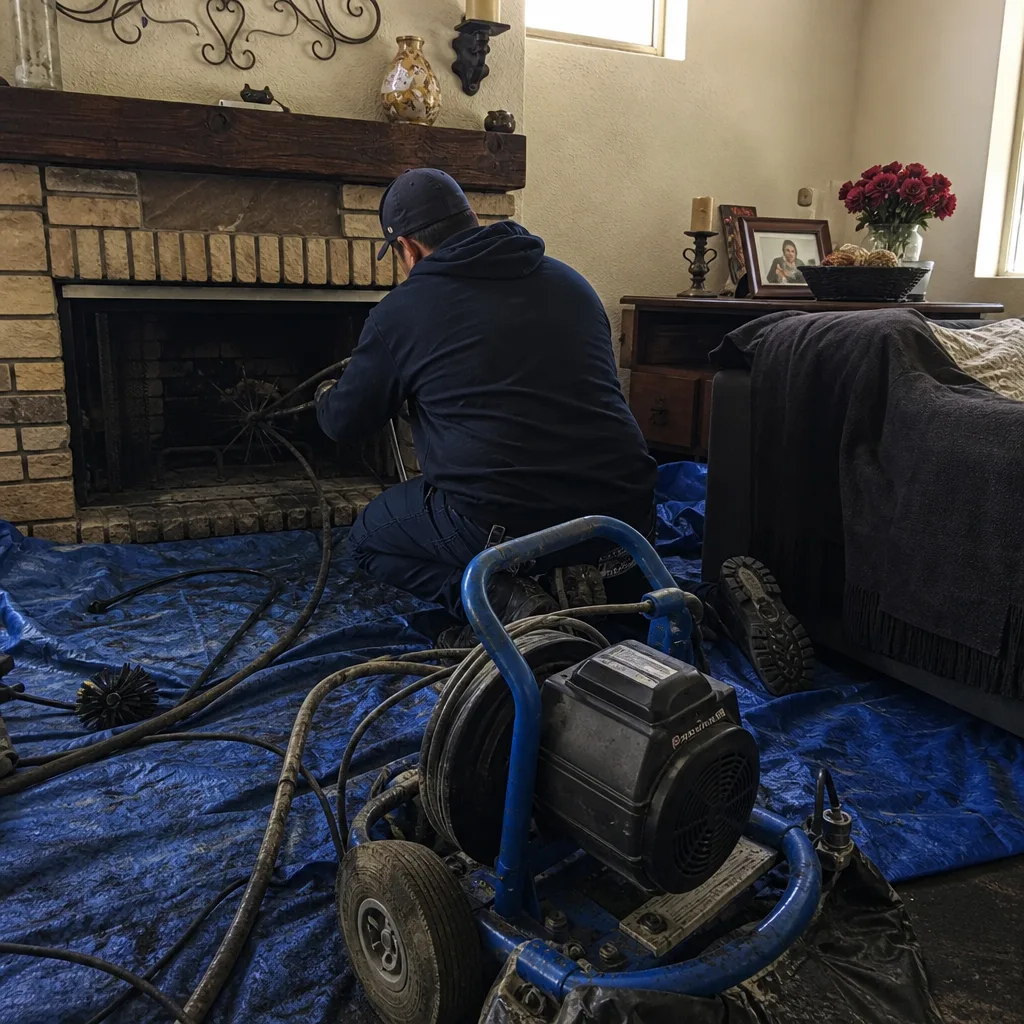 Before
 After
After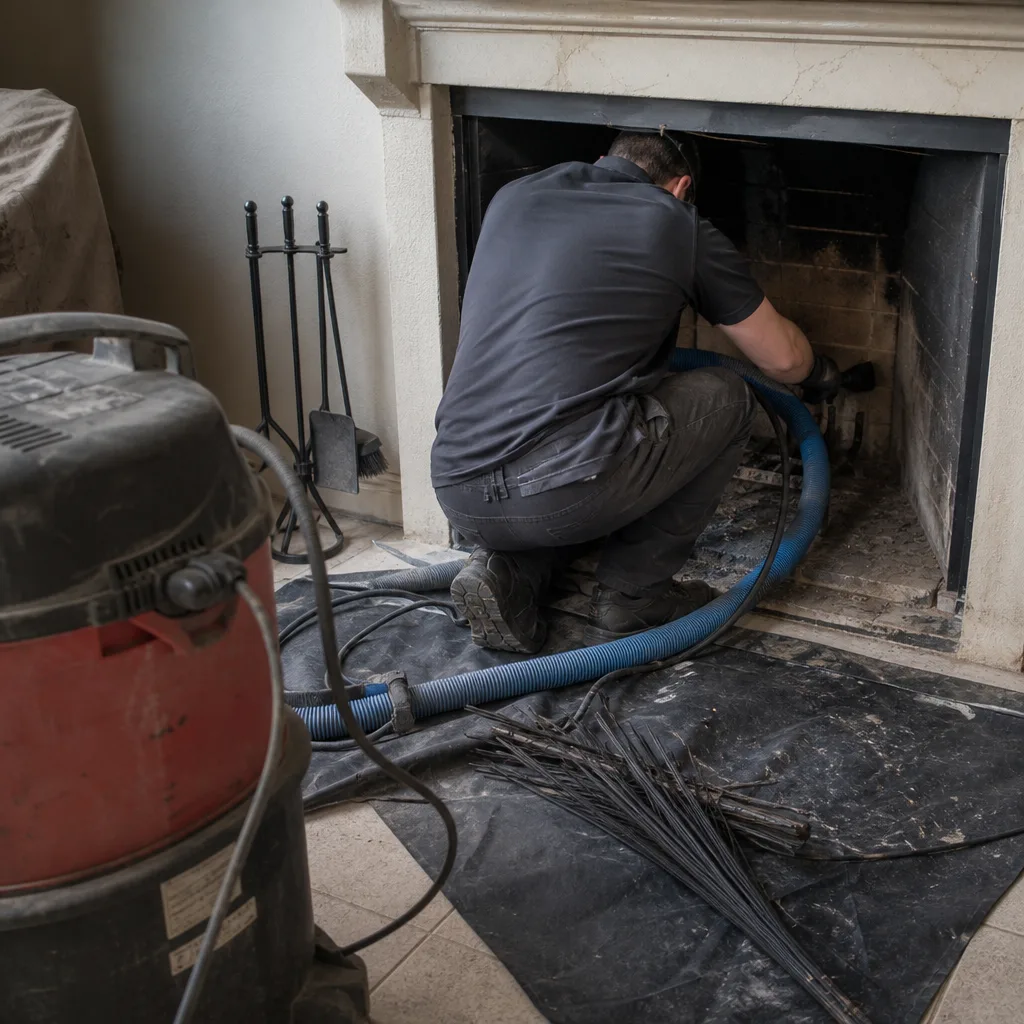 Before
 After
After