
Last updated October 15, 2026
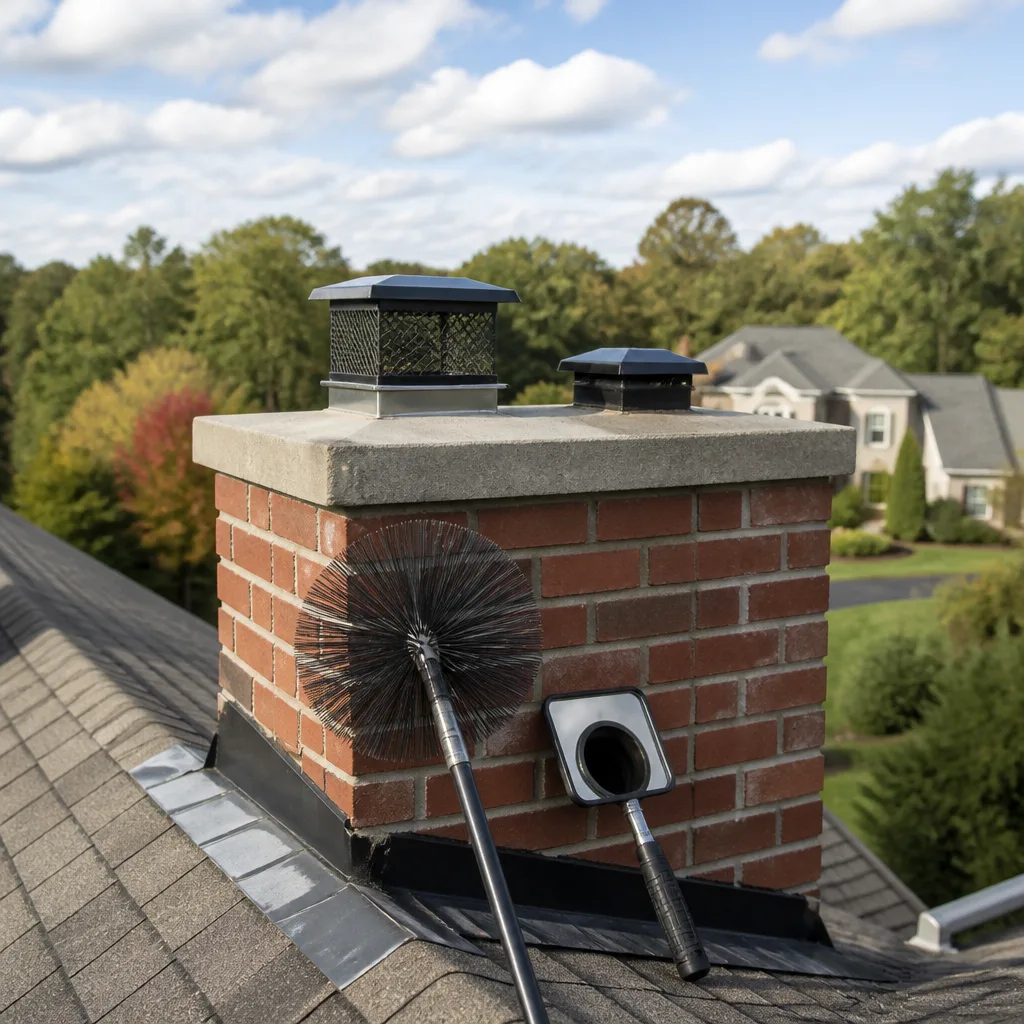 Sweep & inspection
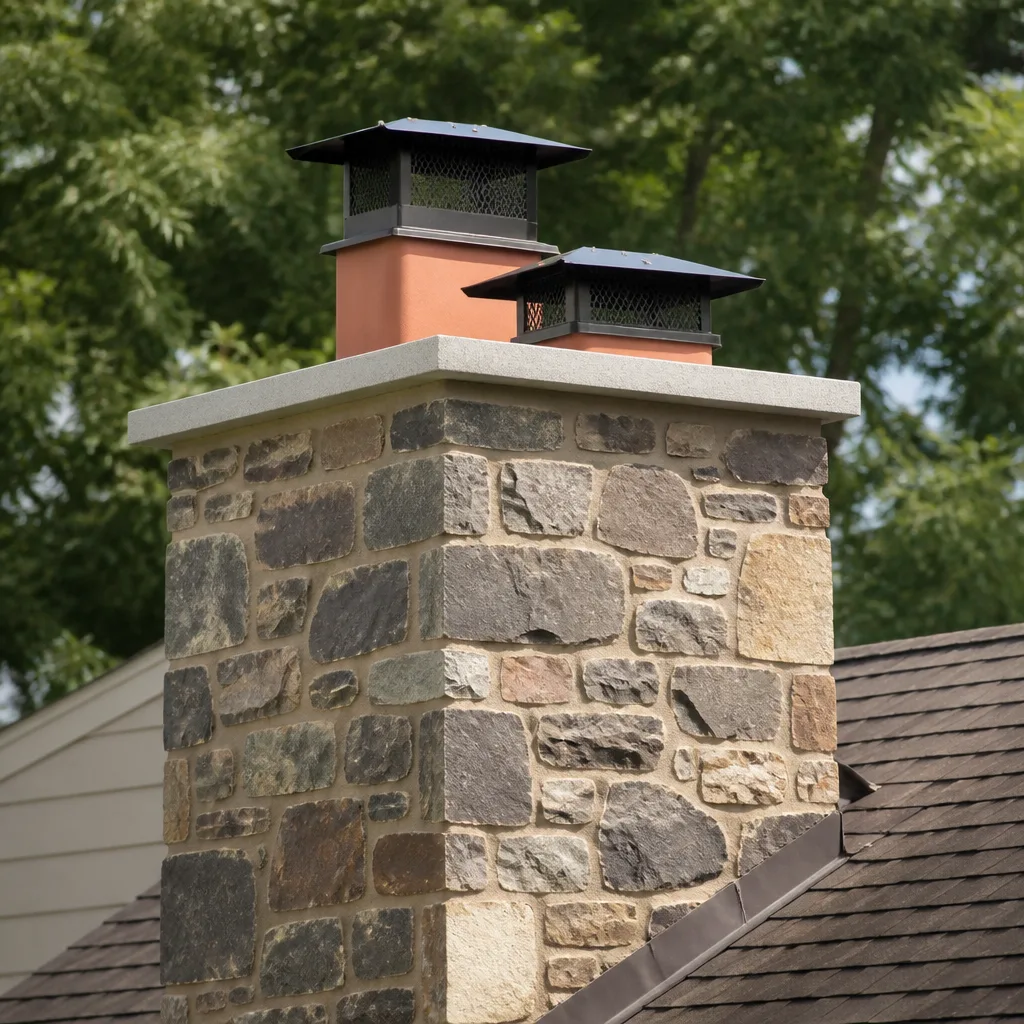 Caps & crowns
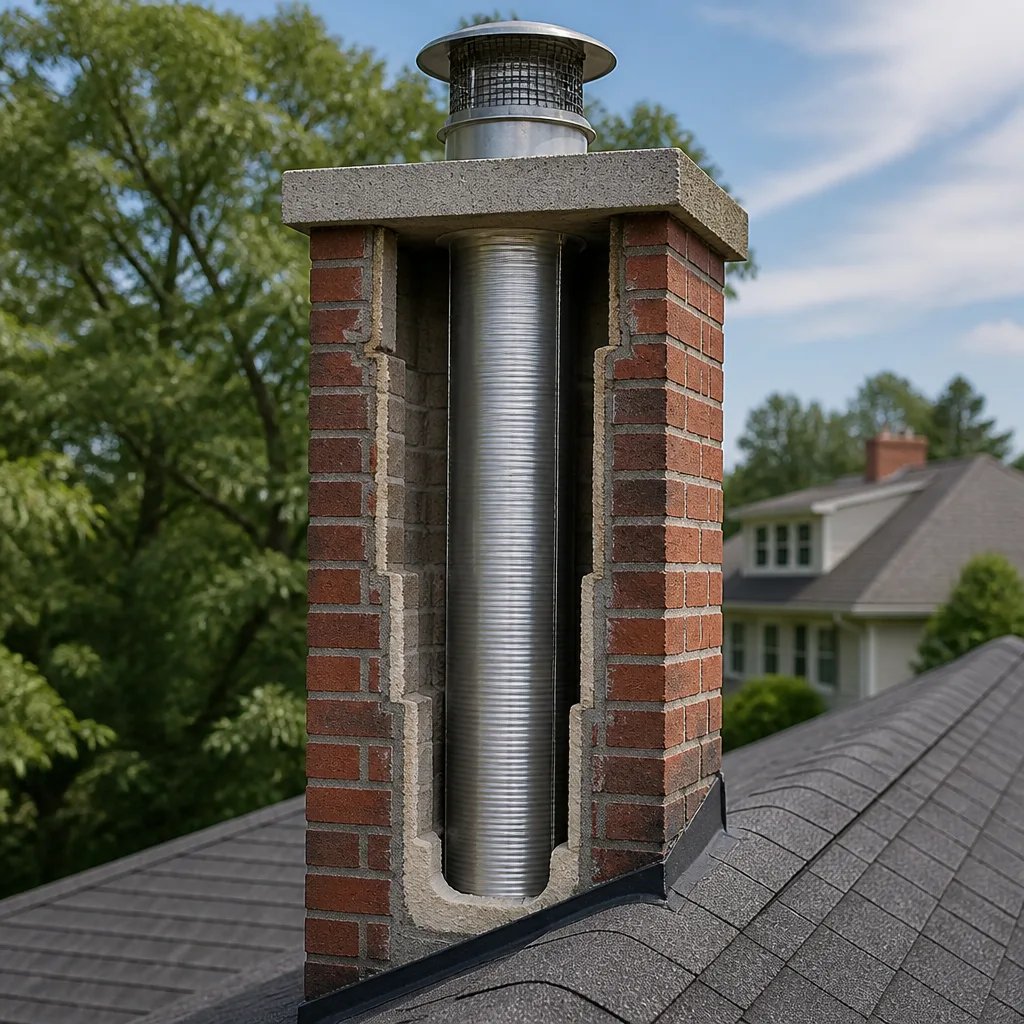 Flue relining
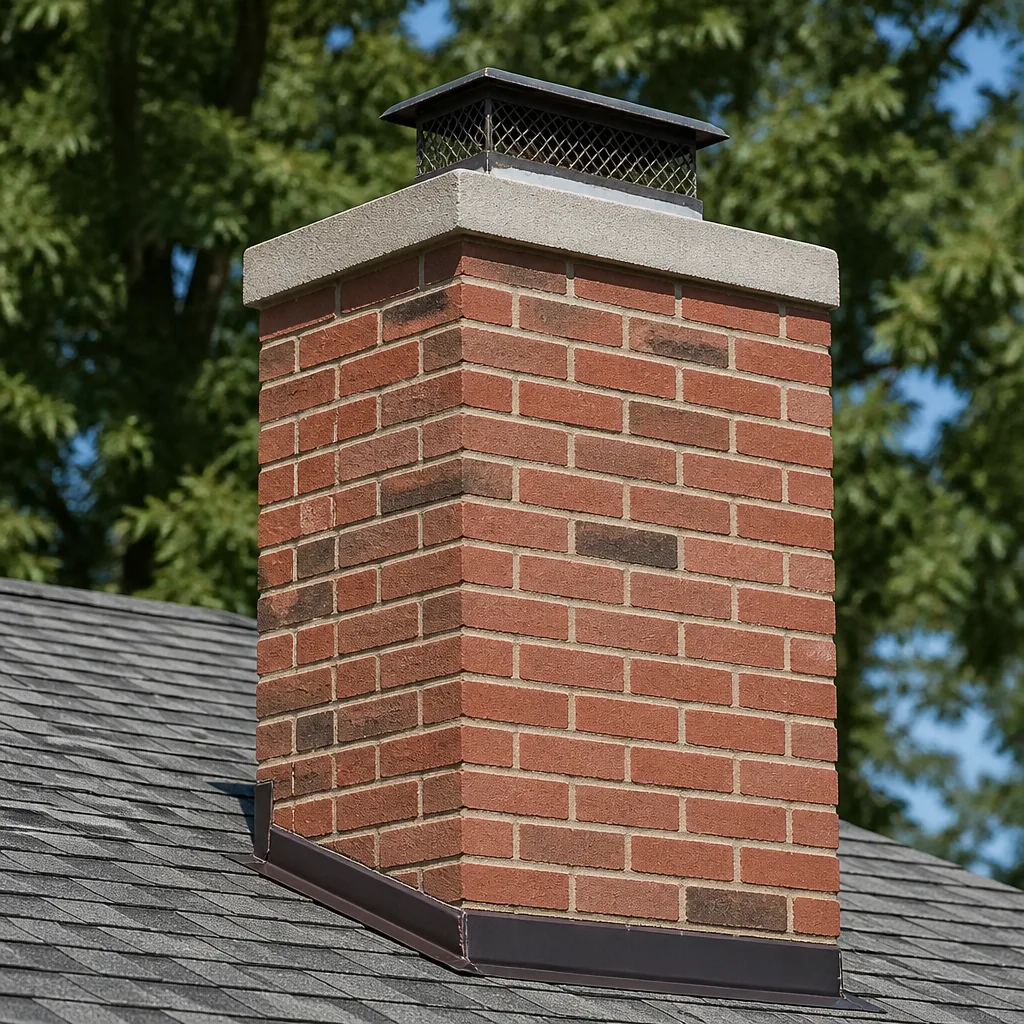 Masonry repair
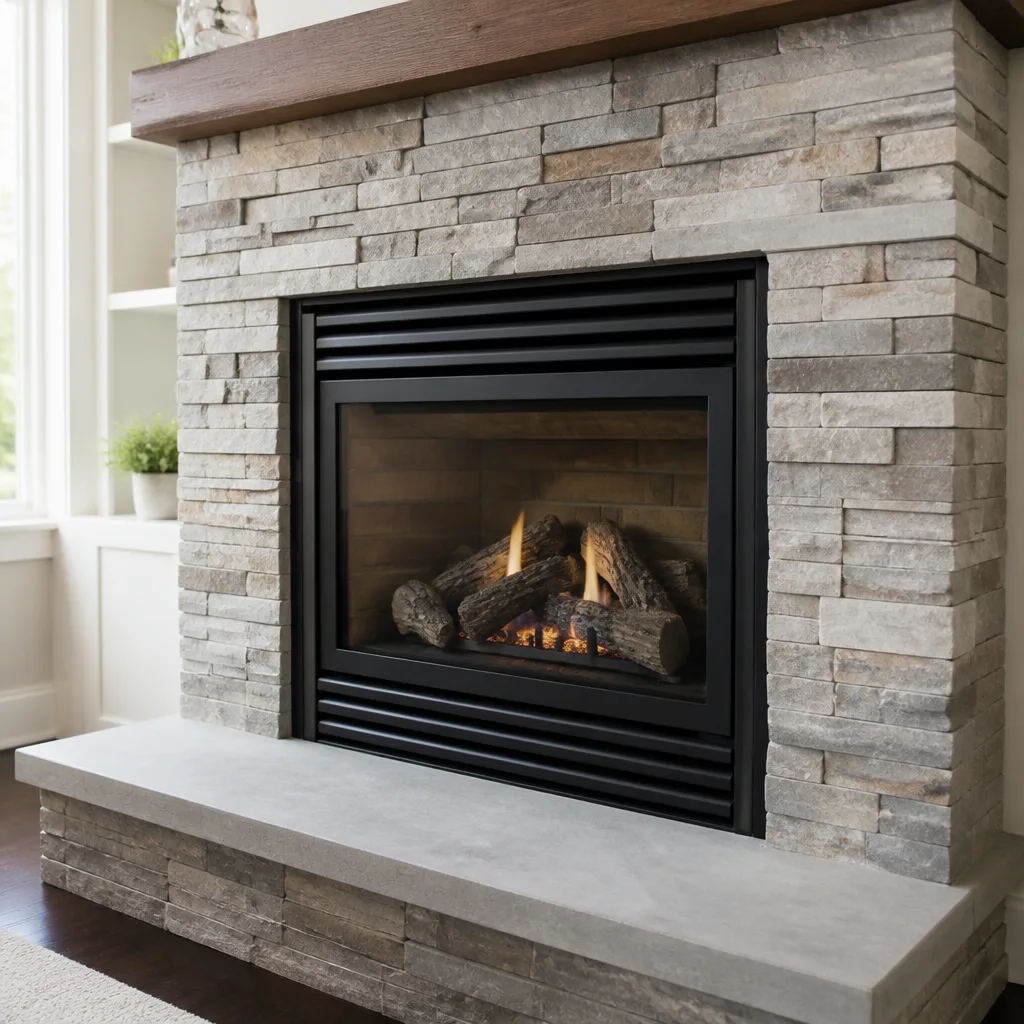 Gas fireplace service
Level 1 sweep and inspection to the NFPA 211 annual standard - flue, crown, cap, and flashing checked and photographed
Chimney sweep logs do not sweep chimneys. They loosen some creosote - which then falls where a brush and vacuum still have to collect it.
The Complete Guide to Chimney Cleaning in Las Vegas
Here’s the thing most Las Vegas chimney guides get wrong: they assume you’re burning oak every night from October through March. The real Las Vegas homeowner lights a fire maybe 15 times a year, on those cold desert evenings when the temperature drops into the 40s and the gas fireplace just doesn’t feel like enough. And that homeowner often assumes the chimney doesn’t need much attention. That assumption is wrong, and here’s the number that proves it: a single season of occasional fires can still deposit enough creosote in your flue to fail the CSIA safety threshold. Infrequent use is not the same as safe use. This guide explains why that’s true in Las Vegas specifically, what a cleaning actually involves, what it costs, and how to spot the difference between a real sweep and a guy with a brush and a truck. For more guides & resources, see our blog.
Styles & brands we work with
Quick Answer
Chimney cleaning in Las Vegas typically costs between $160 and $260 for a standard sweep with a Level 1 inspection, and most Las Vegas homeowners need it once a year. The Las Vegas-specific risks are creosote buildup from even occasional fires, windblown Mojave dust settling in the flue during the nine months the fireplace sits idle, and nesting birds that move in during spring. Ashby Chimney Las Vegas handles all three with a written price before work starts and a written guarantee on every job.
Table of Contents
- Why Low Burn Frequency Doesn’t Mean Low Risk
- The Las Vegas Environmental Factors Other Guides Ignore
- What a Chimney Sweep Actually Involves
- How to Read a Cleaning Report
- Why a Level 1 Inspection Matters in Las Vegas
- How Often Should You Clean Your Chimney in Las Vegas?
- What Chimney Cleaning Costs in Las Vegas
- Common Mistakes to Avoid
- When to Call a Professional
- Frequently Asked Questions
- The Bottom Line
Why Low Burn Frequency Doesn’t Mean Low Risk
The math on creosote is unforgiving. It doesn’t require daily fires to accumulate. Creosote forms when wood smoke cools and condenses on the flue walls. That happens every time you burn, regardless of how often. One cord of unseasoned wood, burned across a single winter at a rate of a fire or two per week, can create the same creosote load that a heavy-burning household in a cold climate produces in half the time. The fires are the same; the physics don’t change just because it’s Las Vegas.
We’ve swept chimneys in Summerlin and Henderson where the homeowner said, “We barely use the fireplace,” and then we pulled out a volume of creosote that would have made a Vermont chimney sweep nervous. The issue isn’t frequency. The issue is that low-burn homeowners tend to skip seasons. “I only lit it twice last year, so I’ll skip this year.” That skipped year is when the glaze creosote from the previous season hardens into stage 2 or stage 3 creosote, which is significantly harder to remove and significantly more flammable. Stage 3 creosote is the kind that ignites in a chimney fire.
Chimney fires in Las Vegas are less frequent than in colder climates, but they happen. The National Fire Protection Association counts about 22,000 chimney fires annually in the U.S., and a meaningful share of those occur in homes where the fireplace is used occasionally. Infrequent use also means the homeowner is less familiar with the warning signs: a whumping sound, black flakes on the hearth, or a smell like hot asphalt.
The other low-burn risk is structural. A chimney that sits unused for nine months of the year in Las Vegas doesn’t get the regular visual check that a heavily-used chimney naturally receives. A homeowner who opens the damper every weekend notices when something’s off. A homeowner who opens it twice a year may not notice that the damper has rusted, that a section of flue liner has cracked, or that a bird has built a nest in the flue until they light a fire and smoke pours into the living room.
The Las Vegas Environmental Factors Other Guides Ignore
Most chimney cleaning content is written generically, often for homeowners in the Northeast or Midwest. Las Vegas has its own set of chimney hazards, and they’re not subtle.
Windblown Mojave Dust
Las Vegas gets wind. Real wind, the kind that pushes tumbleweeds across the 215 and turns the valley hazy. All that dust doesn’t just land on your car and your patio furniture. It settles in your chimney. Over nine months of the year, with the damper closed and fires not burning, fine dust and sand accumulate in the flue, on the smoke shelf, and in the firebox. When you finally light that first fire of the season, the dust burns off and combines with fresh creosote, creating a denser, stickier coating. Homeowners in Las Vegas neighborhoods like Summerlin and the northwest valley near Lone Mountain tell us they can smell the difference: that first fire of the season has a sharp, dusty edge that regular users in other climates don’t experience. A pre-season cleaning removes that dust load before it bakes into the flue walls.
Monsoon Season Moisture
Las Vegas has monsoons. If you’ve been here through July and August, you know what that means: sudden, violent thunderstorms that dump half an inch of rain in twenty minutes, often with hail. That moisture matters for chimneys. If your chimney cap is damaged or missing, monsoon rain gets into the flue. Water mixes with creosote and creates an acidic compound that attacks flue liners. It’s one of the quiet ways flue tiles crack. In Las Vegas, the monsoon season is the single biggest moisture risk to a chimney, and many homeowners never connect the storm in August to the chimney problem they notice in November. A thorough sweep includes checking for water entry signs, but the preventive move is making sure your chimney cap is intact before the monsoon starts.
Nesting Season
Las Vegas sits in a major avian migration corridor. Spring brings nesting birds, and their preferred real estate is a warm, protected chimney flue. The most common offenders are house sparrows, starlings, and the occasional pigeon. Chimney swifts, which are protected under federal law, also pass through Nevada. A bird nest in a flue is a fire hazard and a carbon monoxide hazard. It blocks the flow of combustion gases. In Las Vegas, nesting season runs from roughly March through June. If you hear chirping in your chimney in April, do not light a fire. Call a sweep. The nest has to come out, and then the flue needs to be checked for damage. A chimney cap with proper screening prevents most of this, and a cleaning after nesting season catches whatever got through.
What a Chimney Sweep Actually Involves
A real chimney sweep is not just running a brush up and down the flue. Here’s what should happen on a proper chimney cleaning in Las Vegas:
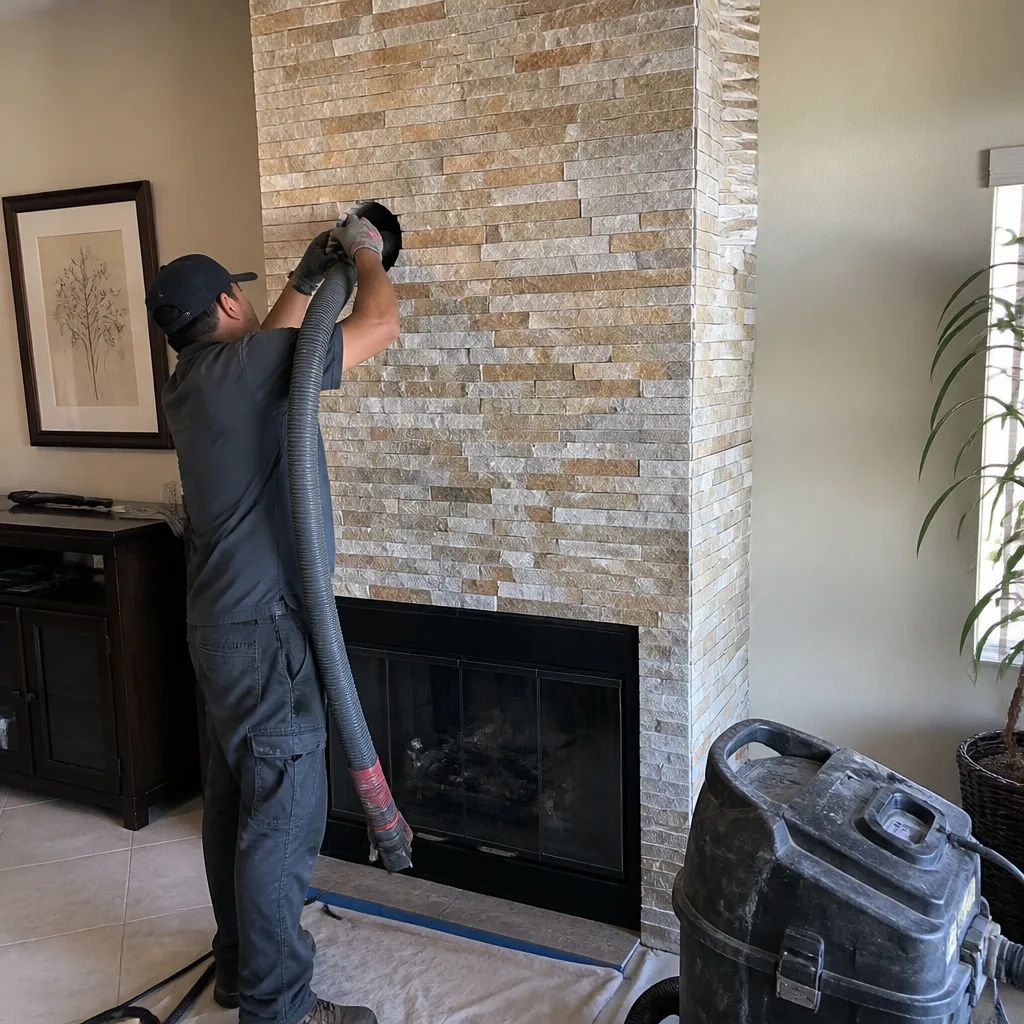
- Floor and furniture protection. The technician lays down drop cloths around the fireplace and runs a high-efficiency HEPA vacuum during the entire process to keep dust from spreading through your living room.
- Damper inspection and cleaning. The damper, the metal flap that opens and closes the flue, gets checked for rust, warping, and proper operation. A damper that won’t fully close is an energy drain in a Las Vegas summer, letting air-conditioned air escape up the chimney.
- Flue brushing. A properly sized brush, matched to the flue dimensions, sweeps the full length from firebox to chimney cap. This removes creosote, dust, and any loose debris.
- Smoke shelf and firebox cleaning. The smoke shelf, the ledge just above the damper that catches falling debris, is a dust trap. It gets cleaned. The firebox gets vacuumed and wiped.
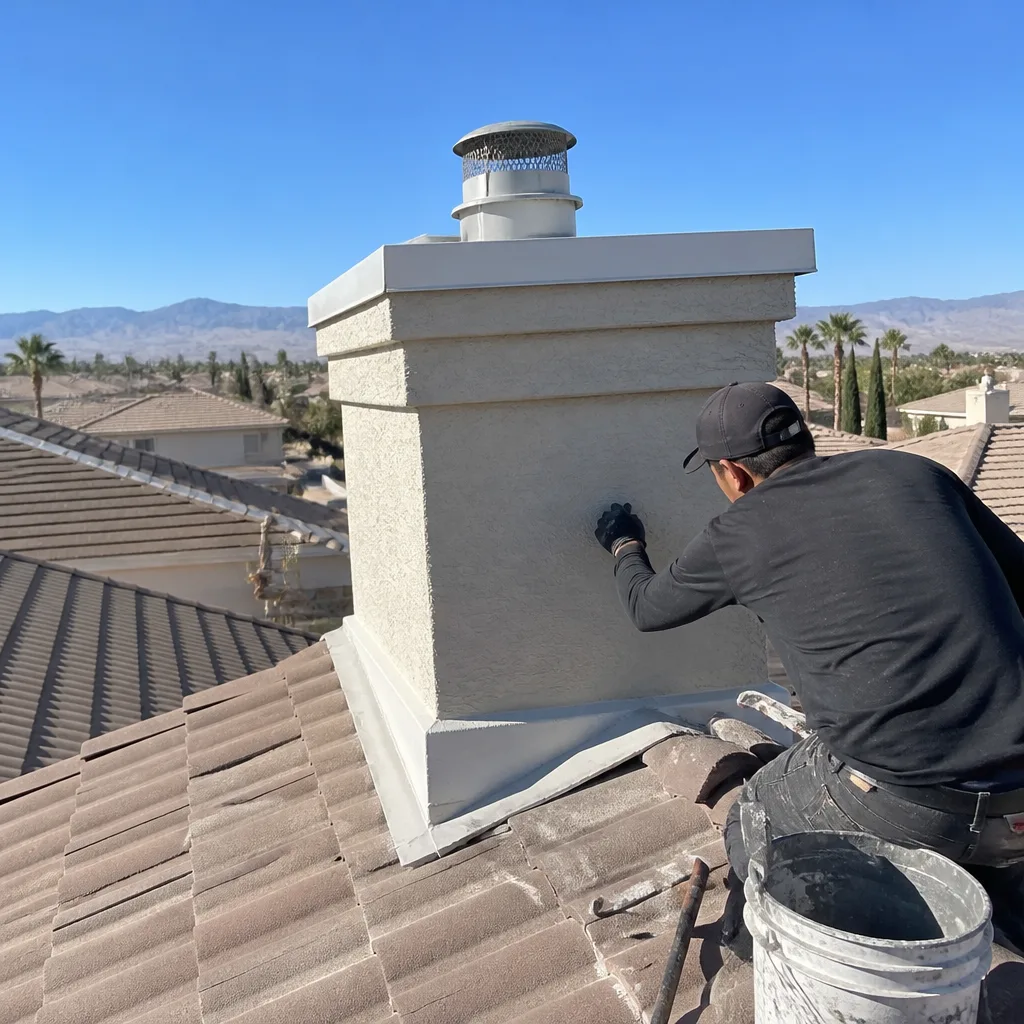
- Chimney cap check. The cap sits at the top of the chimney, keeping out rain, birds, and debris. If it’s damaged, rusted, or missing, the technician should tell you and show you.
- Visual inspection of the flue liner. While cleaning, the sweep is also looking for cracks, gaps, or deterioration in the flue liner, the clay or steel tube that vents combustion gases out of your home. A cracked liner is a serious finding, not a cosmetic issue.
- Report and walkthrough. The technician should walk you through what was found, what was cleaned, and anything that needs attention. In our experience, the best sweeps treat this walkthrough as part of the job, not an afterthought.
This is not the same as a Level 1 inspection, which is a more formalized process with a written report and specific code-referenced findings. A good sweep includes informal visual checking. A formal inspection is a distinct service. We cover the difference below.
How to Read a Cleaning Report
You paid for a cleaning, and now you’re holding a piece of paper that says things like “stage 2 creosote removed” and “missing rain cap noted.” What do you do with that? Here’s how to actually read what you were handed.
A useful cleaning report will tell you four things. What was found. What was done. What condition the chimney is in. What, if anything, needs follow-up. That’s the baseline. If you got a report that says only “chimney swept” and nothing else, you got an invoice, not a report.
Look for specific measurements and specific conditions. “Creosote buildup: 1/4 inch, stage 2” tells you something real. “Flue liner: minor cracking at top section” tells you something actionable. Vague language like “some buildup” or “needs attention” tells you the sweep either didn’t look closely or didn’t think you’d want to know.
Photos matter. A legitimate chimney cleaning company has the equipment to run a camera up the flue. In Las Vegas, where the flue sits unused for most of the year, a camera inspection during the cleaning is the difference between knowing you have a cracked liner section and guessing. If the report includes photos, look at them. If it doesn’t, ask why. We make a point of showing every homeowner exactly what we saw, because a recommendation without evidence is just an opinion.
Why a Level 1 Inspection Matters in Las Vegas
This is where the terminology matters. A chimney cleaning and a Level 1 inspection are different things. They often happen at the same time, but they serve different purposes. A cleaning removes what’s in the flue. An inspection evaluates the condition of the entire chimney system. In Las Vegas, where the fireplace sits idle for nine months and environmental wear happens gradually, skipping the inspection is the most common way a small problem becomes a big one.
A Level 1 inspection is the standard, every-year inspection defined by the National Fire Protection Association, specifically NFPA 211. It covers the portions of the chimney that are accessible: the firebox, damper, smoke chamber, flue liner, chimney cap, and exterior masonry. The inspector checks for creosote buildup, flue liner cracks, blockages, water damage, and structural concerns. It’s not a deep engineering analysis, but it catches the routine issues. A Level 2 inspection uses camera equipment to examine the entire flue in detail and is required when the home is being sold, when the fireplace hasn’t been used in a long time, or after a chimney fire. A Level 3 inspection involves removing masonry and is reserved for serious structural questions.
For a Las Vegas homeowner who uses the fireplace 10 to 20 times a year, a Level 1 inspection during the annual cleaning is almost always sufficient. You don’t need twice-a-year cleanings. You need one thorough cleaning with a real inspection, done right, once a year. That’s the frequency that matches how this city actually uses fireplaces.
If you’ve just bought a home in Las Vegas, or you’re not sure when the chimney was last cleaned, or you had a chimney fire, the recommendation changes. Those are Level 2 situations. The camera finds what a visual check misses, and in Las Vegas resale situations, that’s worth the extra cost because it protects you from inheriting a flue liner problem you didn’t know existed.
How Often Should You Clean Your Chimney in Las Vegas?
The standard recommendation from the National Fire Protection Association is once a year, regardless of usage. In Las Vegas, that recommendation holds, but the reasoning is different from what you’d hear in a wood-burning-heavy climate. You’re not cleaning because the creosote is piling up from daily fires. You’re cleaning because the Mojave Desert environment is doing its own work on your flue nine months of the year.
If you burn only well-seasoned hardwoods and have a properly screened cap, you’re probably in good shape with one annual cleaning. If you burn pine or other softwoods, or if you burn construction scraps, or if you have an uncapped chimney, the answer changes. Softwoods and unseasoned wood produce significantly more creosote than seasoned hardwood. An uncapped chimney in Las Vegas will collect dust, feathers, and possibly an entire nest between seasons. In those cases, you may need a mid-season check or more frequent cleaning.
Here’s a practical guideline for Las Vegas homeowners:
- Once a year: Occasional fireplace use, well-seasoned hardwood, capped chimney in good condition.
- Twice a year: Frequent burning, any burning of pine or unseasoned wood, uncapped chimney, any history of moisture stains on the ceiling near the chimney.
- Before first use after any long idle period: If the fireplace hasn’t been used in two or more years, get a cleaning and inspection before lighting that first fire. In Las Vegas, this applies to a lot of homes that sit on the market for a while.
What Chimney Cleaning Costs in Las Vegas
The price question is the one everyone asks first, and for good reason. Chimney cleaning prices vary more than they should. In Las Vegas, most standard chimney sweeps run between $160 and $260. That range covers a typical one-story or two-story home with a straight flue, a cleaning, and a Level 1 inspection. If you’re paying less than $140 in Las Vegas, ask what’s being skipped. If you’re being quoted over $400 for a standard cleaning with no complications, ask what justifies the premium. Some legitimate reasons exist: an extra-tall chimney, a second fireplace, a difficult roof access, or a heavy creosote load requiring additional work.
Here’s the breakdown of what typically adds to the price:
- Extra fireplaces: Each additional flue is typically $80 to $120.
- Heavy creosote removal: Stage 3 or glazed creosote requires rotary tools and chemicals, adding $100 to $200.
- Nest removal: Live or abandoned nests add $75 to $150, depending on location and size.
- Chimney cap replacement: A new standard cap runs $150 to $350 installed in Las Vegas, depending on the material and whether custom sizing is needed.
- Flue liner evaluation via camera: If a Level 2 inspection is warranted, expect $300 to $500.
Here’s the honest breakdown:
| Service | Typical Las Vegas Range |
|---|---|
| Standard chimney sweep with Level 1 inspection | $160 – $260 |
| Each additional flue | $80 – $120 |
| Heavy creosote removal (stage 3) | $100 – $200 additional |
| Bird or animal nest removal | $75 – $150 |
| Chimney cap replacement (standard) | $150 – $350 |
| Level 2 inspection (camera) | $300 – $500 |
At Ashby Chimney Las Vegas, we give you a written price before any work starts. The number on the invoice is the number we quoted at the door. If we find something during the cleaning that changes the scope, we stop and talk to you about it before doing anything. That’s not a marketing line. That’s how the business works, and it’s the same at every independently owned Ashby location under the Kingswell Guarantee.
Call (725) 220-6109 for an exact quote. Estimates are free.
Common Mistakes to Avoid
- Skipping years because you barely use the fireplace. The dust, moisture, and nesting problems don’t pause because you didn’t light a fire. Skipping a year is how small creosote deposits turn into glaze creosote that’s twice as expensive to remove.
- Burning unseasoned wood during a cold snap. Las Vegas cold snaps come fast, and the temptation is to burn whatever’s on hand. Green wood produces dramatically more creosote per fire. If you’re buying firewood in Las Vegas, buy it in spring and let it season through the summer.
- Leaving the damper open during summer. An open damper is an open shaft into your air-conditioned house. In Las Vegas summer, that’s not just wasted energy; it’s wasted money. Make sure your damper closes tightly after every use.
- Ignoring a chimney cap that’s missing or rusted out. An uncapped chimney in Las Vegas is an open invitation to monsoon rain, nesting birds, and windblown dust. A $200 cap replacement is cheaper than a $2,000 flue liner repair.
- Hiring based on the lowest price. Chimney cleaning is one of those trades where price correlates with thoroughness. The cheapest bid is often a guy who runs a brush up the flue and leaves without looking at anything. You’re not buying a brush run. You’re buying a safety inspection.
- Not asking to see findings. If a sweep tells you something is wrong, ask to see it. A camera inspection, a photo, a piece of evidence. In Las Vegas, where dry heat hides damage until it’s serious, visual proof is the standard you should hold.
When to Call a Professional
Chimney cleaning is not a do-it-yourself job. A chimney sweep involves working at height, dealing with creosote dust that’s harmful to breathe, and evaluating fire safety conditions that a homeowner isn’t trained to assess. The brush kits sold at hardware stores can’t clean the smoke shelf properly, can’t inspect the flue liner, and can’t tell you whether a crack is cosmetic or dangerous. If you see smoke entering the room when the damper is open, if you smell a persistent soot odor in summer, if you hear animals in the chimney, or if you notice black flakes falling into the firebox, those are all professional matters. Ashby Chimney Las Vegas offers free estimates in Las Vegas. Call (725) 220-6109 and we’ll give you a straight answer.
Frequently Asked Questions
A standard chimney sweep with a Level 1 inspection in Las Vegas typically runs between $160 and $260. Heavy creosote removal, nest removal, and additional flues add to that base price. Every job at Ashby Chimney Las Vegas gets a written price before work starts, so the number you’re quoted is the number you pay. Call (725) 220-6109 for a free estimate.
Yes. Creosote forms every time wood burns, regardless of frequency, and in Las Vegas the bigger risks during the nine idle months are windblown Mojave dust settling in the flue, monsoon moisture causing liner damage, and nesting birds moving in during spring. One annual cleaning with a Level 1 inspection covers all three. Call (725) 220-6109 to schedule yours.
Once a year for occasional fireplace use. If you burn frequently, burn softwoods, or have an uncapped chimney, you may need twice a year. The Las Vegas environment adds dust and moisture exposure that colder climates don’t have, so the annual cleaning isn’t just about creosote removal. Call (725) 220-6109 and we’ll tell you what your specific situation calls for.
A cleaning removes creosote, dust, and debris from the flue and firebox. A Level 1 inspection evaluates the condition of the entire chimney system, including the flue liner, damper, smoke chamber, cap, and exterior masonry. They’re often done together. In Las Vegas, the annual cleaning plus Level 1 inspection is the right frequency for most homes. Call (725) 220-6109 if you’re unsure what you’ve had done in the past.
Creosote hardens and becomes more difficult and expensive to remove. Moisture from Las Vegas monsoon storms can penetrate an uncapped or damaged chimney and start degrading the flue liner. Birds and rodents can nest in the flue and block combustion gases. A skipped cleaning here and there rarely causes an immediate problem, but a few skipped years can turn a $200 preventive visit into a $2,000 repair. Call (725) 220-6109 for a free estimate on getting caught up.
The Kingswell Guarantee is the standard behind every Ashby location. For a cleaning, that means a written price before work starts, a real arrival window that we actually keep, a written report of what we found and did, and a written guarantee on any repair work. If a covered repair fails within the guarantee period, we come back and fix it at no charge. That’s the 365-Day Done Right Promise, and it’s included with every job, not sold as an add-on.
You can buy a brush kit, but you can’t replicate what a professional sweep does. The brush kits can’t properly clean the smoke shelf, can’t inspect the flue liner for cracks, can’t identify glaze creosote, and can’t get you safely onto a Las Vegas roof. More importantly, they can’t tell you whether the chimney is safe to use. The safety evaluation is the part that matters. Call (725) 220-6109 and get it done right.
The Bottom Line
Chimney cleaning in Las Vegas is not a heavy-use problem. It’s an idle-time problem. The Mojave dust, the monsoon moisture, and the spring nesting season all act on your chimney while you’re not thinking about it, and the creosote from your occasional winter fires compounds the issue. One annual cleaning with a Level 1 inspection, priced between $160 and $260, catches these problems early and keeps your fireplace safe. That’s the number to remember. And when you book a cleaning, demand a written price before work begins, a camera inspection if anything looks questionable, and a written report when it’s done. Ashby Chimney Las Vegas gives you all three, and we stand behind the work with a written guarantee. Call (725) 220-6109 for a free estimate.
Written by Nathan Corliss, Owner at Ashby Chimney Las Vegas, serving Las Vegas since 2002.
See the difference
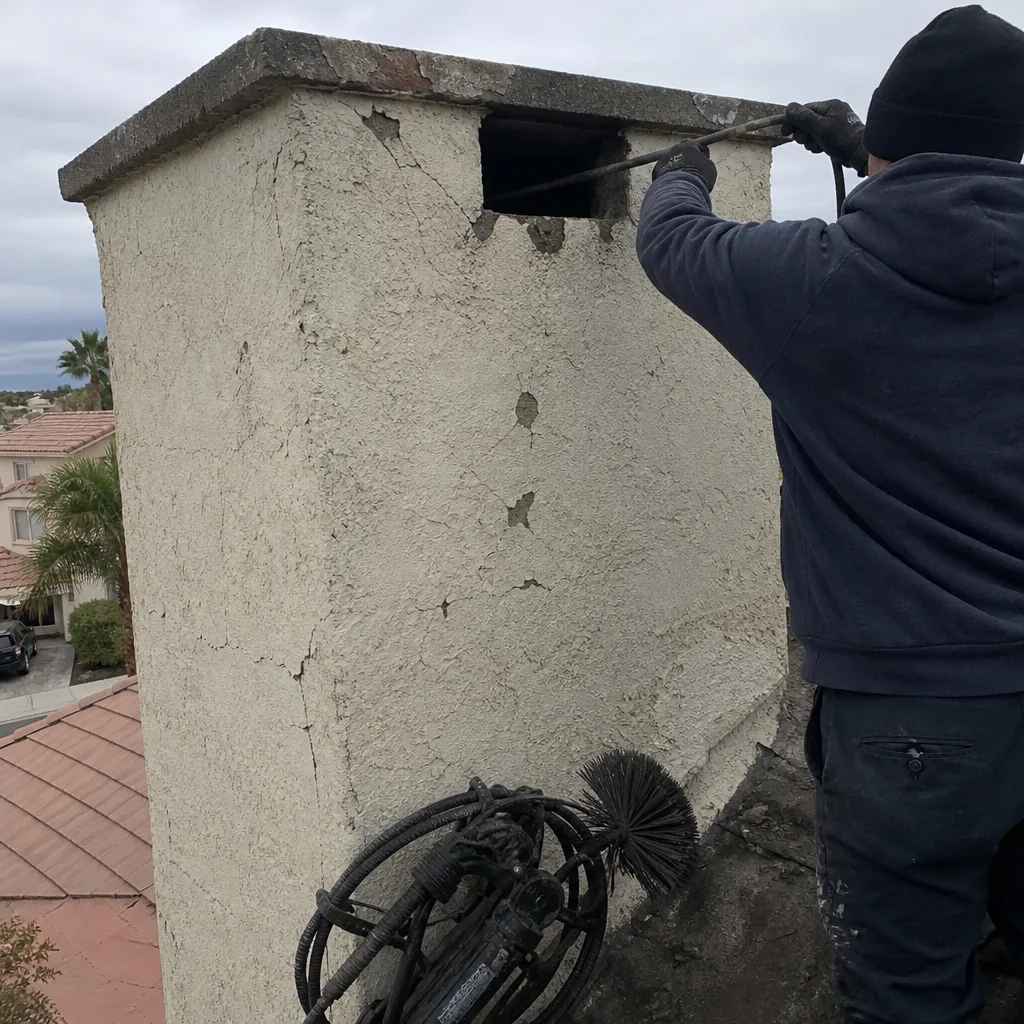 Before
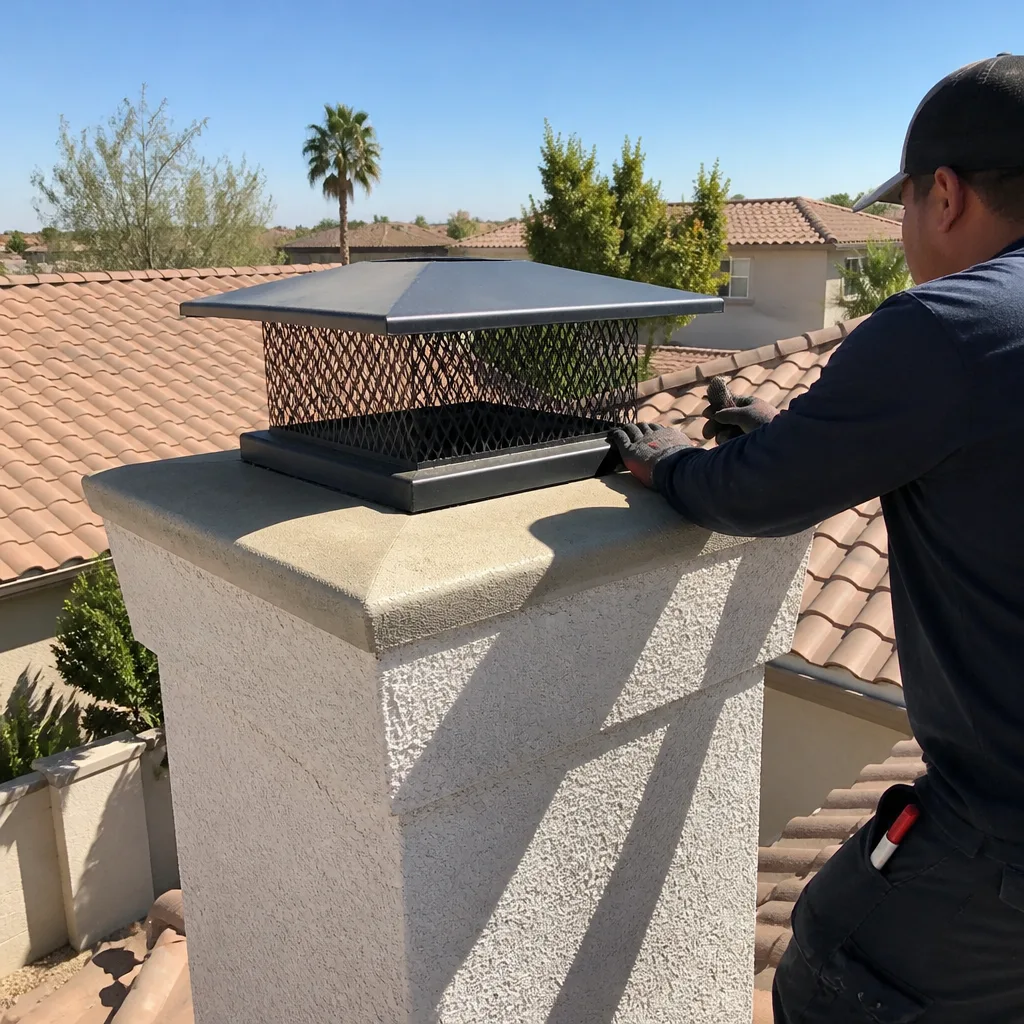 After
After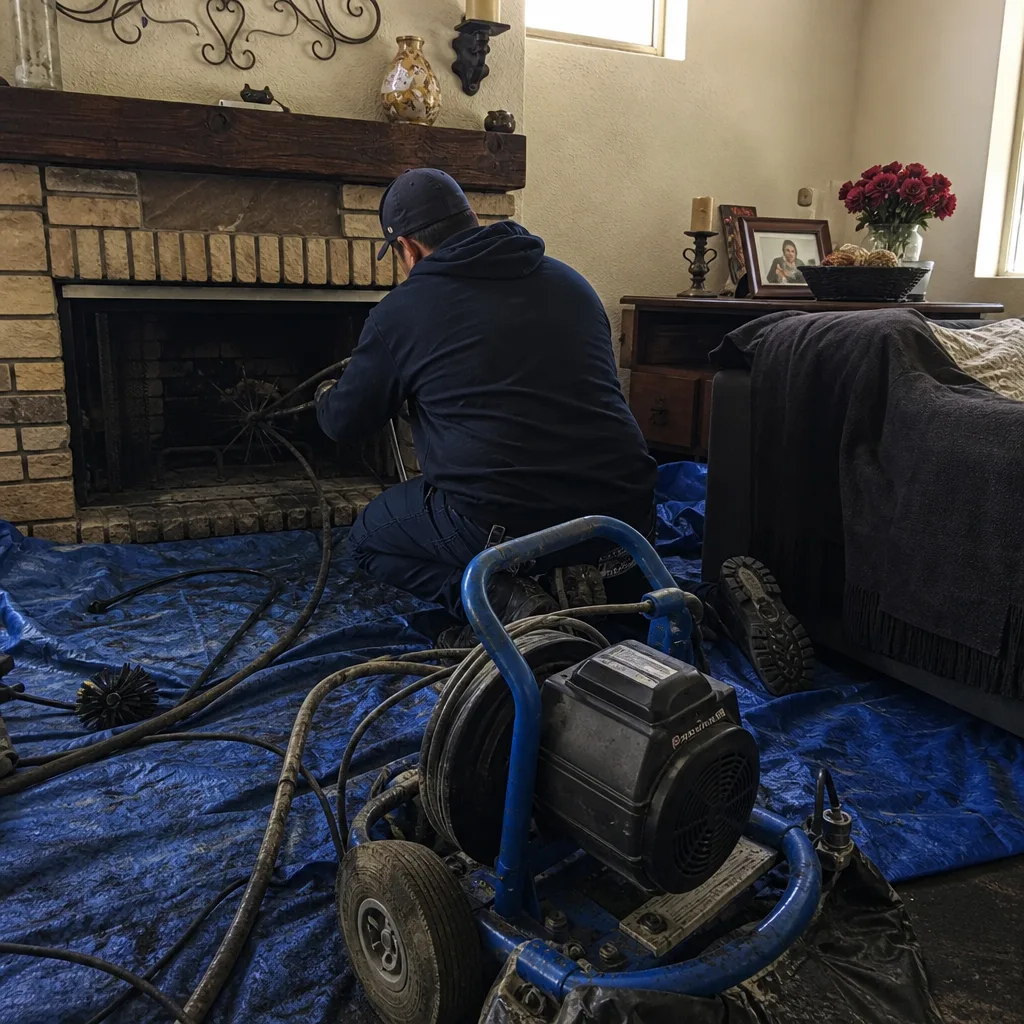 Before
 After
After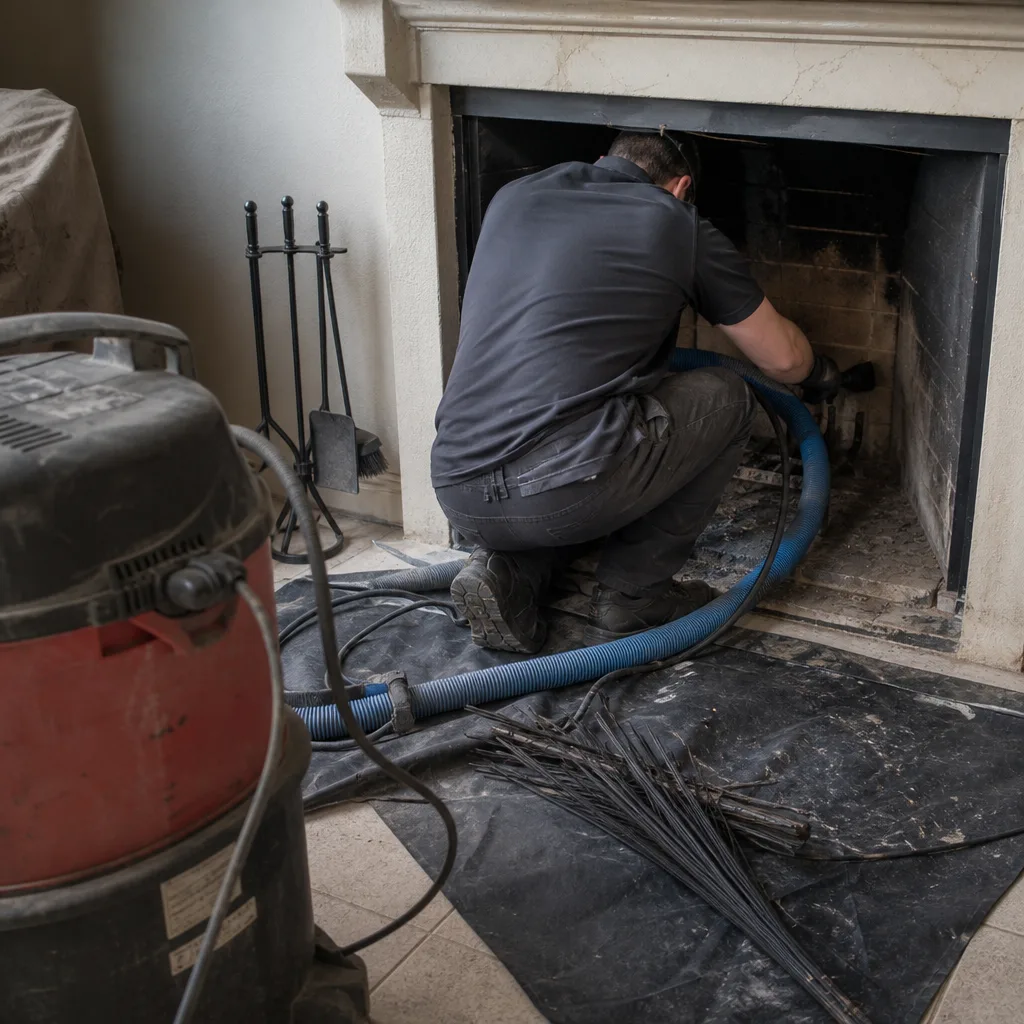 Before
 After
After